
What to Do When Facing Emergency Situations
شکیلا بختیاریJanuary 14, 2023مقالات
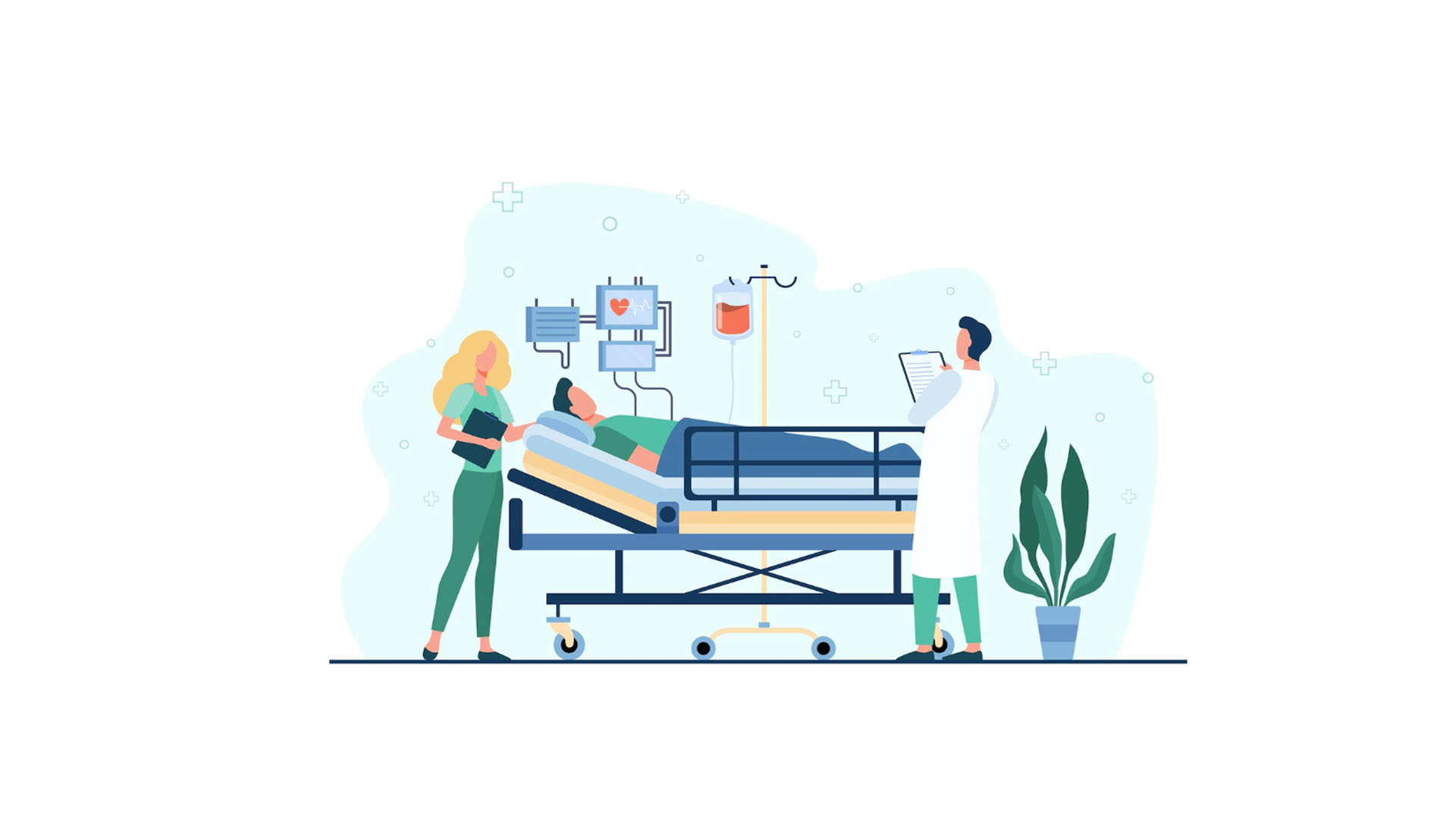
Life-threatening situations (deadly situations) rarely happen, once or twice, in the course of a person's life. When these situations arise, you must think and act quickly to reduce their disastrous consequences. Some of the measures are as follows:
• Do not become agitated or flustered.
• Your immediate reaction to an emergency may be excessive fear and anxiety.
• Take a few deep breaths.
• As a first step, assess the circumstances.
• If neighbors can hear you quickly, shout for help.
• Be on the lookout for any potential danger to yourself or another person (such as a live wire or cable or a fire).
• Seek medical help at the earliest possible opportunity.
• Do not attempt rescue procedures and techniques such as cardiopulmonary resuscitation (CPR) unless you have been trained beforehand.
• Do not wait for the symptoms of illness to disappear or worsen.
• If you suspect that a person has had a heart attack or a stroke, or has swallowed or eaten something poisonous, call the emergency response teams by phone immediately; delay may endanger that person's life.
• Do not end the phone call until there has been enough time to give your name and address and a brief description of the emergency situation.
• Do not move the victim or injured person. The person may have a broken neck or back, and moving them could cause further injury or even death.
• Do not drive, even if the hospital is ten minutes away from you (this, of course, is on the condition that the emergency ambulance and hospital operate properly and on time and are well managed).
• It is better to wait a little until an equipped ambulance arrives with a trained paramedic who can provide emergency care on site. Those who rush and run to reach places where help can be obtained are very likely to have an accident themselves.
• Keep a quantity of basic first aid supplies in a suitable place at home. Make sure that emergency phone numbers such as ambulance services, the police, the fire department, the poison control center, your own and your family's doctor, and the neighbors are accessible. If it is not possible for you to call quickly or to find a phone number quickly, call a person whose number you have and can reach more easily, and ask for help.
• In normal times, try, as soon as you find the opportunity, to attend various first aid training courses and prepare yourself to provide help in emergency situations.
Comments
No comments yet.
To leave a comment, please sign in.