
Carbon Monoxide Poisoning
شکیلا بختیاریJanuary 19, 2023مقالات
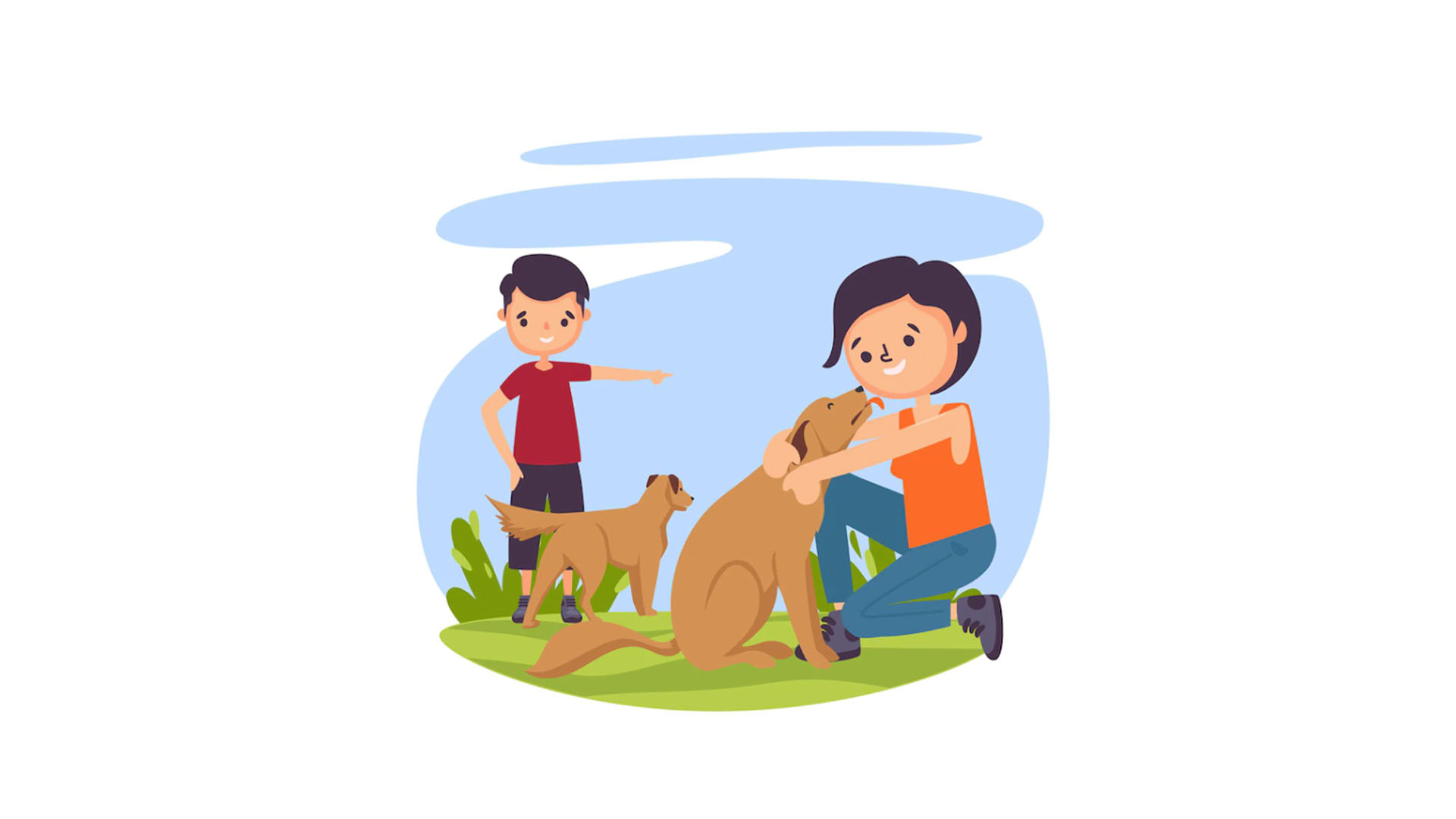
∴ What should we do if an animal bites a young child?
It depends on how severe the injury is:
• If the injury is not significant (i.e., merely a superficial scratch), wash the area carefully with soap and water. Then apply an antibiotic ointment to it twice a day.
• If the injury is located on a part of the body that is likely to become contaminated, cover it with a bandage. Otherwise, leave it exposed to the open air.
• If the skin is torn and bleeding, the injury may be serious. Place a sterile gauze or a clean cloth on it and press with your finger.
• If the pressure cannot stop the bleeding within a few minutes, call emergency services. (If animals bite the child's face or neck, it may be very dangerous, because it can tear major blood vessels.)
• Even if the bleeding stops, contact a doctor immediately to determine whether the child needs stitches or other medical treatment. The likelihood of infection at the site of an animal bite is greater than with other cuts, so the doctor may prescribe a course of antibiotics.
∴ Should we worry about rabies?
• If you know who the owner of the animal is, ask them to show the animal's vaccination certificate. If you do not know who the animal's owner is, try to keep the animal in sight but do not approach it. Notify the nearest local authorities so they can come and capture the animal. These people can check the animal for signs of rabies.
• In addition to unvaccinated dogs and cats, wild animals such as foxes and bats can also carry the rabies virus. If a wild animal bites your child, contact your doctor immediately. If there is a possibility of rabies, your child will need a course of anti-rabies serum.
• There is one important point you should know about bats: your child can also contract rabies from a scratch or a very small bite by a bat (one so small that you might not even be able to see it).
• Small pets such as rats, guinea pigs, and white mice do not carry the rabies virus, although the bite site of these animals can become infected.
∴ What should we do to prevent animal bites?
• Never leave your child alone with your own pet or someone else's. (Nearly half of the children bitten by dogs are harmed by the family dog or the neighbor's dog.)
• Teach your child not to approach cats or dogs they do not know unless you tell them it is safe. Remember that any dog, if provoked, may bite.
• Teach your child not to approach a dog or cat that is eating, or to touch a dog or cat that is sleeping. Show them how, if a strange dog approaches, to stand still in place and never run away.
• Teach your child never to touch or feed wild animals without an adult's permission. For example, feeding ducks at a lake is usually safe, but trying to get a wild animal to eat from one's hand is not a good idea at all. You should explain these differences to your young child without needlessly frightening or terrifying them.
Comments
No comments yet.
To leave a comment, please sign in.