
The Phenomenon of Dust and Its Effects on Health
شکیلا بختیاریDecember 13, 2022مقالات
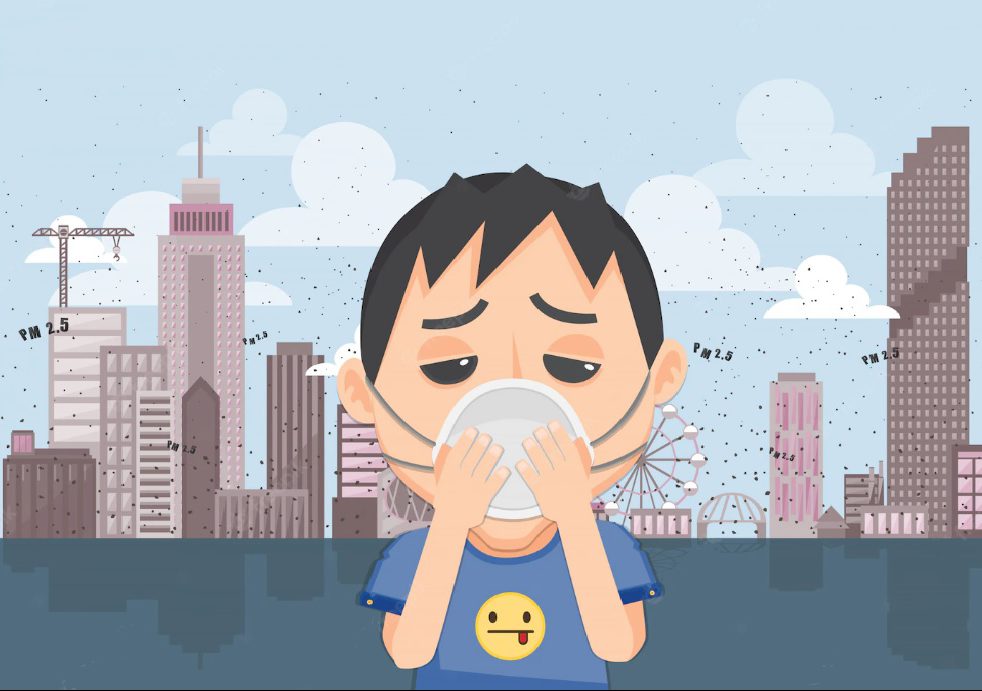
Dust reduces air quality and visibility and may have adverse effects on human health. In this educational text, while stating the health hazards of this phenomenon, attention has been given to how to reduce its effects on human health.
∴ Introduction The dust phenomenon is a natural event and occurs in parts of the world that have vast arid and desert regions. The existence of vast deserts in Saudi Arabia, Syria, and Iran are examples of such regions. Long droughts and improper interventions can increase the likelihood of this phenomenon occurring. This phenomenon reduces air quality and sometimes reduces visibility to about 5 meters, and may have adverse effects on human health, especially for people with respiratory problems.
The purpose of this text is to become familiar with the health effects of this phenomenon and how to remain safe from its adverse effects or reduce them.
∴ Dust and breathing
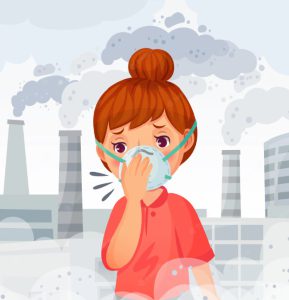 Dust particles vary completely in size and are classified from coarse (non-respirable) to fine (respirable).
Coarse dust particles can at most reach the nose, mouth, and throat, but fine particles can penetrate to greater depths and to the sensitive areas of the respiratory tract and the lungs. Finer particles have relatively significant effects on human health. Most of the particles present in the dust phenomenon are of the coarse or non-respirable type and do not pose a serious threat to people's health. However, they may cause problems for people with a history of respiratory diseases such as those with asthma and emphysema.
Dust particles vary completely in size and are classified from coarse (non-respirable) to fine (respirable).
Coarse dust particles can at most reach the nose, mouth, and throat, but fine particles can penetrate to greater depths and to the sensitive areas of the respiratory tract and the lungs. Finer particles have relatively significant effects on human health. Most of the particles present in the dust phenomenon are of the coarse or non-respirable type and do not pose a serious threat to people's health. However, they may cause problems for people with a history of respiratory diseases such as those with asthma and emphysema.
∴ Contact with dust and its effects on health
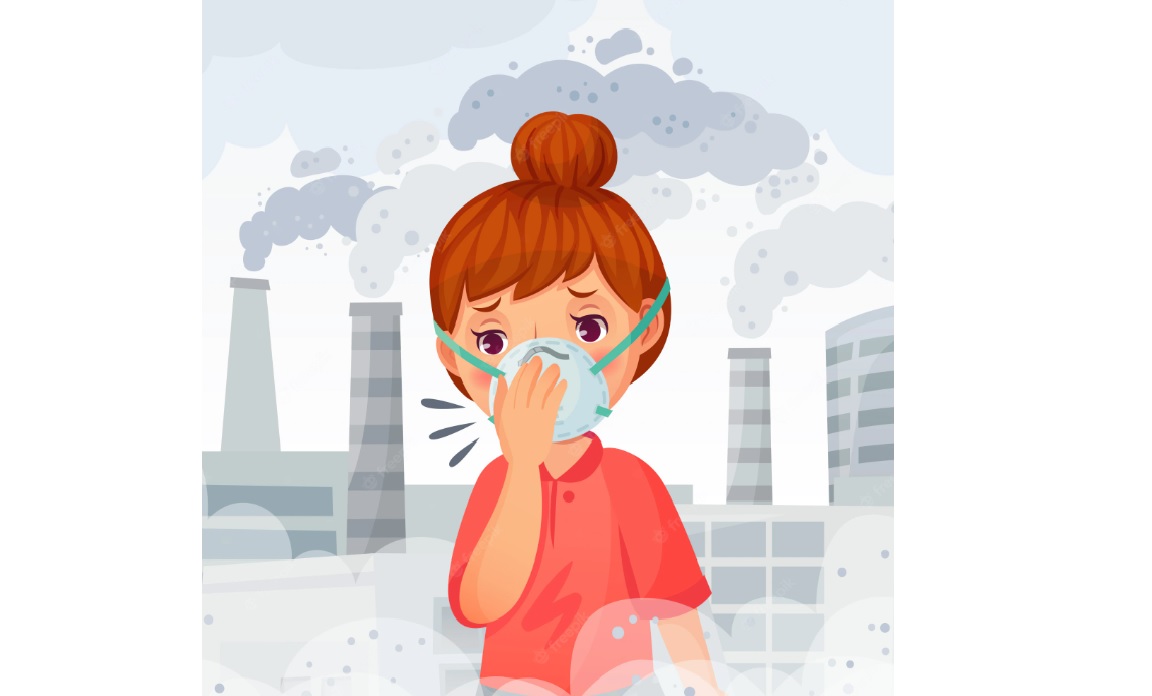
The most common signs observed during a dust phenomenon are irritation of the eyes and the upper airways. The following people may usually be more vulnerable: • infants, children, and adolescents • the elderly • people with respiratory diseases such as asthma, bronchitis, and emphysema • heart patients
Exposure of these people to dust may:
 1/ intensify allergic reactions and asthma attacks.
2/ cause acute respiratory problems.
3/ contribute to the development of cardiovascular diseases.
4/ reduce lifespan. Long-term exposure to airborne particles can cause respiratory and pulmonary problems and possibly heart diseases.
1/ intensify allergic reactions and asthma attacks.
2/ cause acute respiratory problems.
3/ contribute to the development of cardiovascular diseases.
4/ reduce lifespan. Long-term exposure to airborne particles can cause respiratory and pulmonary problems and possibly heart diseases.
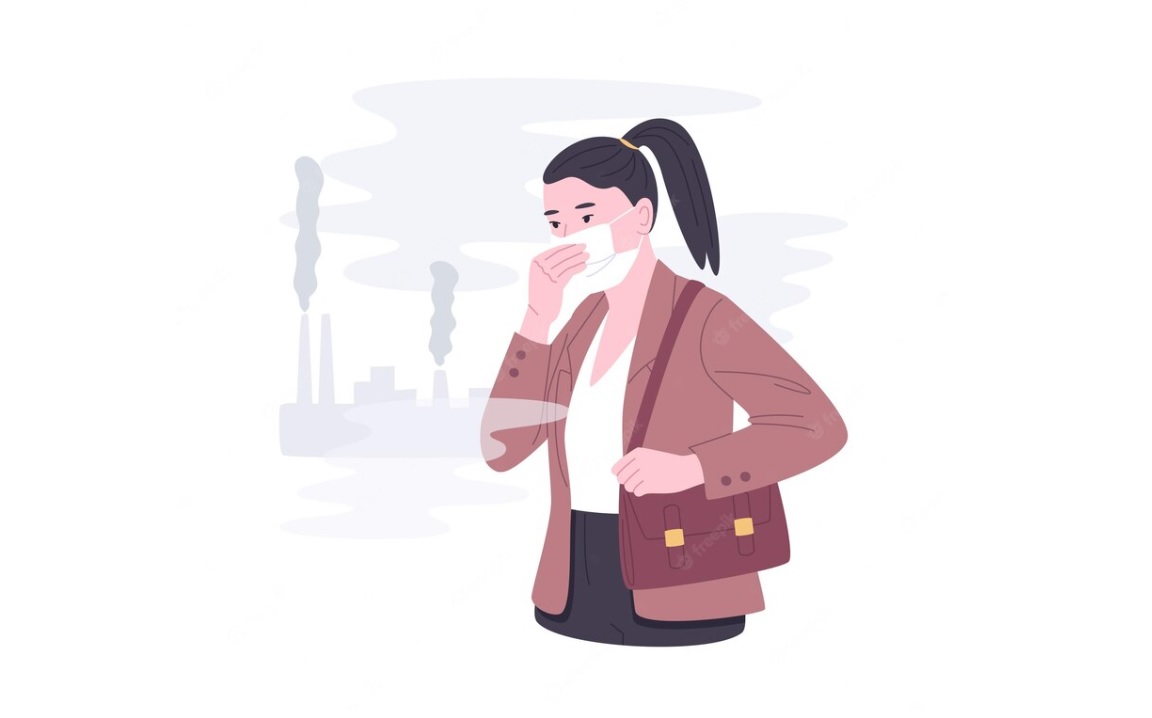
∴ What should be done when a dust phenomenon occurs? The following precautions can help you protect yourself from the adverse effects of dust and minimize the adverse effects of this phenomenon on your health.
 • Avoid activity outside the home.
• If you must necessarily be active outdoors, reduce its duration to the minimum possible.
• Avoid strenuous exercise, especially if you have respiratory problems and asthma.
• Stay at home or in enclosed environments and keep the doors and windows closed.
• If possible, stay in places with an air-conditioning system.
• If you have asthma or observe signs such as shortness of breath, coughing, wheezing, and chest pain, follow your treatment plan, and if the signs do not resolve, consult your physician.
• Avoid activity outside the home.
• If you must necessarily be active outdoors, reduce its duration to the minimum possible.
• Avoid strenuous exercise, especially if you have respiratory problems and asthma.
• Stay at home or in enclosed environments and keep the doors and windows closed.
• If possible, stay in places with an air-conditioning system.
• If you have asthma or observe signs such as shortness of breath, coughing, wheezing, and chest pain, follow your treatment plan, and if the signs do not resolve, consult your physician.
∴ Safety during a dust phenomenon
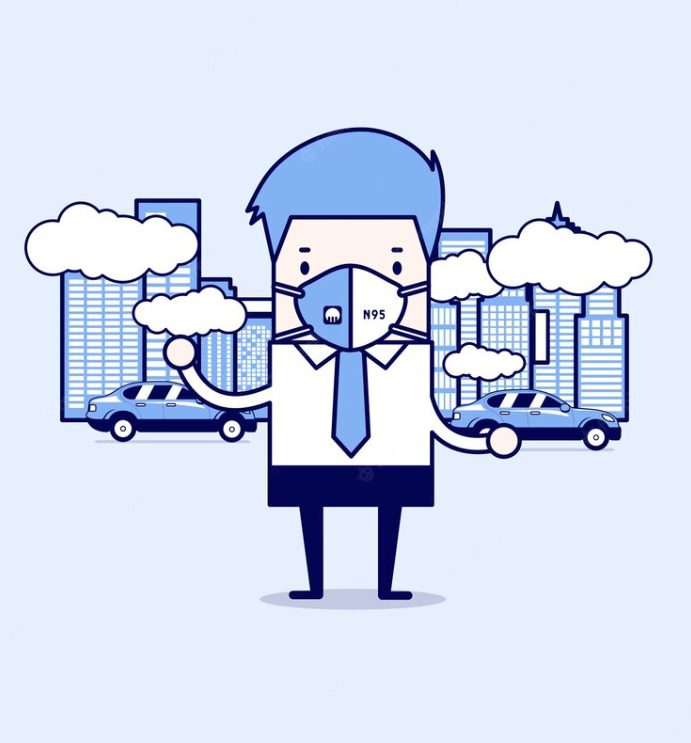
 When this phenomenon occurs, visibility decreases rapidly. If you are on the road in such conditions and the reduced visibility affects your ability to see, drive more slowly and, if necessary, with full attention to traffic signs, stop your car in a safe spot until the acute conditions clear. If your car has an air-conditioning system, set it to the air-recirculation mode to reduce the dust entering the car.

∴ Paying attention to the following can be effective in reducing the side effects of dust:
• To prevent contamination of food and drinking water, using suitable covers is necessary. • Food must be cleared of particles and dust before being stored in the refrigerator. • To reduce contact with dust in the living environment, daily cleaning is recommended.
∴ Does using a mask help us during dust?
Ordinary paper masks and cloth cannot prevent fine dust particles from entering our respiratory system, and therefore using them is not recommended. Special masks marketed under the designations P1, P2, FFP1, and FFP2 are suitable for these conditions.
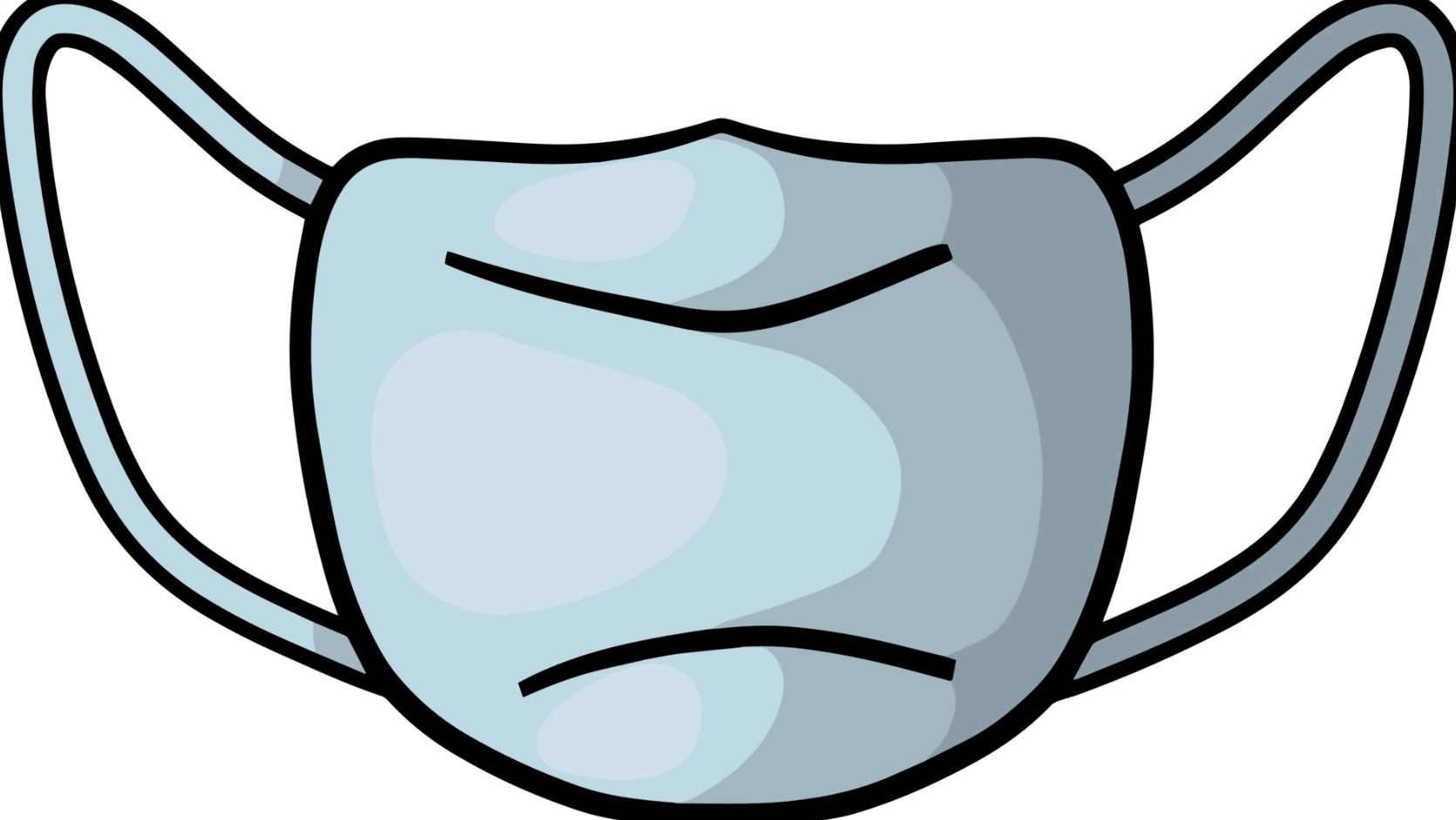
When using a mask, the following points must be considered:
• Wearing them creates a feeling of heat and is usually not comfortable. • If the mask does not completely cover around the nose and mouth, for example for people who have long beards, and a path for air to penetrate remains, it has little effect. • These masks do not capture gaseous air pollutants such as carbon monoxide. • Breathing using a mask is more difficult than usual, and people with a history of cardiovascular and respiratory disease must consult their physician. • Using these masks is advisable for healthy people who must necessarily stay outside during a dust phenomenon.
Comments
No comments yet.
To leave a comment, please sign in.