
Responding to Some Common Nutritional Misconceptions
شکیلا بختیاریJune 25, 2023مقالات
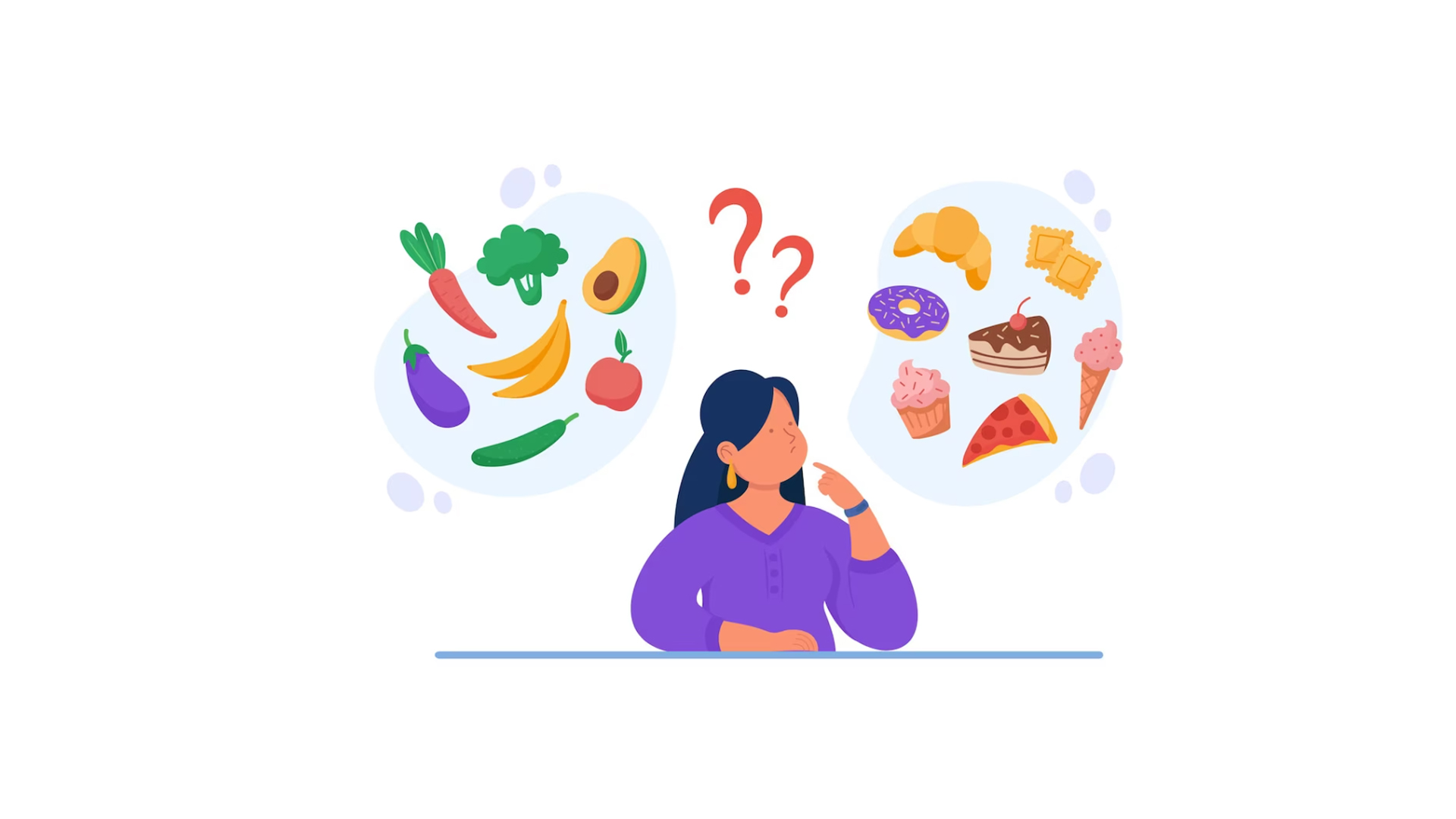
Increasing nutritional knowledge and the public's general awareness about proper nutrition will certainly be a great help in promoting the health of society. But sometimes deciding which dietary recommendations are correct becomes difficult. In this article, an attempt has been made to gather and analyze some of the misconceptions about proper nutrition.
∴ Is eating fruit after a meal harmful? One of the important properties of fruits is the presence of dietary fiber in them. When you eat fruit (or vegetables) together with a meal or shortly before or after it, the dietary fiber in them combines with the fat in the food and slows down and reduces its absorption. Therefore, you absorb less fat from your food. Also, the vitamin C present in almost all fruits and vegetables increases the absorption of compounds such as iron. Furthermore, these dietary fibers prevent the occurrence of many digestive diseases such as constipation (which in the long term is the most important risk factor for colon cancer). Eating fruit after a meal is only not recommended for people who, due to problems such as a stomach ulcer or inflammation of the digestive tract (such as gastritis), need to eat their food in small amounts but more frequently. It is better for these people to eat fruit and even vegetables two to three hours apart from their main meal.
∴ Fruits do not have many calories (energy); does eating them not cause obesity? Each serving of fruit (which usually consists of 100 to 150 grams of any type of fruit) has about 60 kilocalories of energy. An amount of energy equivalent, for example, to 3 tablespoons of rice or one measure of sugar! But in return, fruits contain abundant amounts of mineral compounds and vitamins. Therefore, consuming them in a varied and balanced way is recommended. Usually, eating 4 to 5 servings of fruit per day is sufficient, and it is better to eat the fruits spaced apart from one another. Dates, fresh or dried, are also considered a fruit. 3 dates are equivalent to one serving of fruit. Given the need to observe the principle of variety in choosing fruits, it is better not to eat more than 1 to 2 servings of dates per day.
∴ Is tea a substitute for water, and does it meet our need for fluids? Tea is a beverage whose moderate consumption is recommended. Drinking 3 cups of it per day can be effective in preventing cancer and osteoporosis. But because this beverage is a diuretic, it does not replace the fluids we need daily. In addition, be sure to drink tea two hours after a meal, and avoid drinking hot tea because of the digestive problems it causes.
∴ Are there no limits on consuming olive oil and walnuts, which contain good fats? Among nutrients, the most energy is found in fats. Although 1 to 2 teaspoons of olive oil or two walnut kernels contain essential and beneficial compounds and fats, on their own they have 45 kilocalories of energy. Therefore, one should not overindulge in consuming them. Daily consumption of 1 to 2 teaspoons of olive oil and 2 to 3 walnuts is beneficial, but more than that can put a person at risk of excess calorie intake and obesity.
∴ Do bran biscuits not cause obesity? All biscuits (even the bran varieties) are made from white flour, sugar, and oil. Therefore, they have a high energy content. The only difference with bran biscuits is that they contain small amounts of bran. The bran in these biscuits makes you feel fuller after eating them, but in any case, what you have eaten was not a low-calorie food. So, although compared to other biscuits the bran varieties are healthier, biscuits in general are a high-calorie food. Every 100 grams of biscuits has close to 360 kilocalories of energy (equal to the amount of energy in one piece of lavash bread), and it makes no difference whether the biscuit is plain or bran.
∴ Are foods whose labels state "low fat" always considered healthy food choices? Low-fat foods may also have a high calorie content. The "low fat" label on foods means that this food has at least 30% less fat than other similar items. With regard to dairy products, choosing the low-fat varieties is emphasized, because they have both little saturated fat (one of the harmful fats) and cholesterol, and more calcium. But if the food in question is inherently very high in fat (such as mayonnaise-type sauces), its low-fat version still has a high calorie content. Therefore, limiting the consumption of such foods (even their low-fat varieties) is a more appropriate recommendation.
∴ Should those who intend to lose weight completely give up starchy foods? Eliminating starch from the diet can lead to a deficiency of needed nutrients and cause numerous complications in almost all of the body's tissues. Starchy foods such as rice, bread, pasta, and potatoes should make up about one third of each of our meals; this means that to follow a balanced diet, we should plan our meals based on these substances (grains), but we can make healthier choices, for example by consuming whole grains or legumes instead of refined carbohydrate sources (such as white bread and rice).
∴ Are all fats the same and should their intake be limited? Some types of fats, such as the fats in fried foods, solid vegetable oil, and the saturated fats in high-fat dairy, butter, and red meat, are harmful and their consumption should be limited; but some other types of fats, such as liquid vegetable oils and nuts (such as walnuts, hazelnuts, and the like), are beneficial, provided they are consumed in moderation. If your food contains small amounts of fat, you can benefit from the advantages of consuming fats by adding olive oil or other liquid vegetable oils to it. In fact, to follow a healthy diet, you should reduce your total fat intake and, wherever possible, consume sources of beneficial fats (unsaturated fats).
∴ Does not adding salt to food reduce the amount of salt intake? Although not adding salt to food is a good idea, one third of the salt we consume daily is supplied from other foods. The broth of various stews, tomato paste, sauces, and almost most of the commercial foods we eat also contain salt, so be cautious in consuming them as well.
∴ Can certain foods such as the cabbage family, celery, or grapefruit, etc. burn body fat and make people thin? Consuming no food can burn body fat and make people thin; the aforementioned foods are in fact low in calories and their fat content is almost equal to zero, so the body cannot obtain much energy from them, but this does not mean that these foods have a unique ability to burn body fat and cause weight loss. In addition, some foods may contain caffeine, and caffeine can, for a short time, speed up the body's metabolism, but it has no special ability to reduce weight or reduce body fat tissue. Overall, the best solution for losing weight is to reduce total daily calorie intake and increase physical activity.
Comments
No comments yet.
To leave a comment, please sign in.