
Emotional Intelligence and How to Improve It
صدف سخاییFebruary 22, 2024اخبار
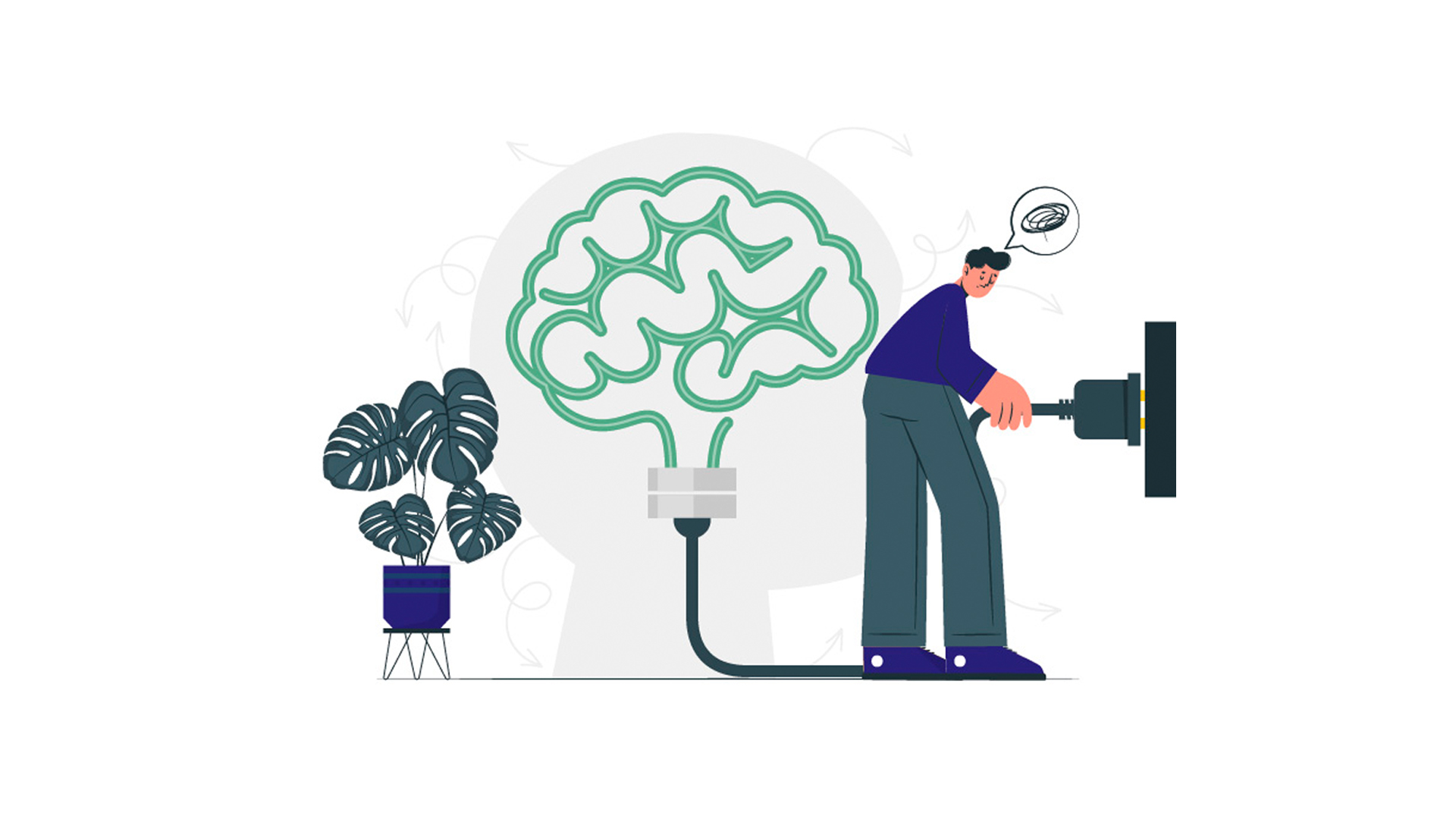
The definition of emotional intelligence is as follows: the ability to monitor one's own and others' feelings and emotions, to distinguish between them, and to use the information derived from them in one's own thinking and actions. Thus, emotional intelligence is an important set of a range of abilities: abilities such as a person being able to maintain their motivation and to persevere in the face of hardships, to delay their impulses and control them, to regulate their moods and not let distress impair their power of thinking, to empathize with others, and to be hopeful. Logical intelligence (IQ) and emotional intelligence (EQ) are not in conflict with each other; they are merely different. Knowing that someone is a top graduate only means that they have been very successful in aspects that are measured by grades and are probably a person with a high IQ. But it tells us nothing about how they react to the ups and downs of life, and the problem lies precisely there. Academic intelligence (IQ) creates practically no readiness in people at times of crisis and the difficulties of life. Although a high IQ does not guarantee well-being, social standing, or happiness in life, nonetheless our schools and culture emphasize academic abilities alone and ignore emotional intelligence—that is, a set of abilities and traits that are immensely important in people's destiny. The result of this situation is the vast throng of university graduates who hold degrees at the highest academic levels but are severely troubled in the most basic emotional and social relationships of their lives. Emotional life is a domain that, like mathematics or literature, one can have more or less skill in, and it demands its own particular set of competencies. A person's degree of competence in that domain is essential for understanding why one person advances in life while another, with the same amount of talent, stops halfway. Unlike IQ, which has about a hundred years of research on hundreds of thousands of people behind it.
Emotional intelligence is a new concept; while some believe that IQ cannot be changed much through experience or instruction, emotional intelligence and important affective abilities can be taught to children and their level raised in adults.
The components of emotional intelligence
The main domains of emotional intelligence are as follows:
1/ Knowing one's own emotions: self-awareness—that is, recognizing each feeling as it arises—is the cornerstone of emotional intelligence. The ability to monitor feelings at each moment plays a decisive role in gaining psychological insight and self-understanding. The inability to recognize our true feelings leaves us in confusion. People who have greater certainty about their feelings can better steer their lives. These people have greater confidence about their true feelings when it comes to making life decisions, from choosing a spouse to the career they select.
Some people genuinely lack self-awareness when it comes to knowing their own emotions. When these people become emotionally upset, they do not know whether they are angry or sad, happy or simply full of energy. These people pay the price of their "emotional illiteracy" in their interpersonal and even inner relationships.
2/ Using emotions properly: The power to regulate one's own feelings is an ability that builds upon the sense of self-awareness and refers to a person's capacity to soothe themselves, to dispel anxieties, depression, or common boredom. People who are weak in this ability constantly struggle with feelings of despair, chronic anger, and depression, whereas people who have great skill in it can overcome the hardships of life much faster. For example, some people use venting their rage as a method of dealing with anger, because the belief is widespread among the general public that "doing this makes you feel better." Since the 1950s, psychologists have opposed this method, because they found that venting anger is one of the worst ways of extinguishing it, since an outburst of rage generally reinforces the arousal of the emotional brain and causes people to feel more anger instead of less. Likewise, many people have difficulty managing their anxiety and worries. The worried mind becomes caught in an endless chain of minor distresses, going from one subject to another and back again. Chronic and recurring worry is like spinning in place, which never leads to a positive solution.
The ability to regulate various emotions—anger, worry, depression, and so on—is one of the components of emotional intelligence and is considered an influential factor in the service of mental health.
3/ Motivating oneself: Motivating oneself, in simple terms, means controlling impulses (impulses such as anger, sexual desire, etc.), self-mastery, delaying the immediate gratification of wants and desires, directing emotions, and the ability to enter a desirable psychological state. Emotional self-restraint—that is, delaying gratification and suppressing impulses—is one of the fundamental components of emotional intelligence.
People with this skill will be highly productive and effective in whatever they undertake.
4/ Knowing others' emotions: Empathy, another ability that builds upon emotional self-awareness, is the basis of the skill of relating to people. People who possess greater empathy pay more attention to the subtle social signals that indicate the needs or wants of others. This ability makes them more successful in professions that require caring for others—teaching, sales, and management. People who are skilled at knowing others' emotions can easily, and sometimes without seeing the other person's face—for example over the phone—guess others' moods. Knowing others' emotions is especially important in relationships between couples.
So for two important reasons we should raise our ability to know others' emotions:
First, since we can never directly enter into another's experience, we can never fully know what the other person is trying to convey to us. When we realize that no matter how hard we try, we cannot be so clever or sensitive as to understand what another is experiencing, a sense of humility can help us to be genuinely humble. In this regard, the higher our power and skill in knowing and understanding others' emotions, the more we can share in the private world and sometimes the pain of others and reduce their loneliness and isolation.
Second, "language" cannot adequately convey experience, because the experience embedded in deep human experiences is richer than words have the power to recount. 5/ Relating to others:
A large part of the art of communication is the skill of managing emotions in others. People who are skilled in this area listen well and deeply to others. Others accept them and do not pass judgment. They produce a feeling of worth and dignity in others, not a feeling of guilt, and they perform well in everything that pertains to smooth interaction with others. They are social stars—stars that shine even in the daytime!
Of course, people differ from one another in their abilities in each of these domains, and some of us may, for example, be quite successful in coping with our own anxieties yet not be very effective at soothing the unease of others. Without a doubt, the underlying basis of our level of ability is biological and neural, but the brain is remarkably plastic and is always learning. People's weaknesses in emotional skills can be remedied. Each of these domains largely reflects a set of habits and reactions that can be improved with the right effort.
Under special circumstances, and sometimes due to time constraints, other methods are also used, such as inducing vomiting, using a sauna, and exercising in plastic clothing. The use of these methods causes a reduction in muscle strength, a reduction in the duration of activity, a reduction in plasma and blood volume, reduced heart function, reduced oxygen consumption, reduced renal blood flow and the volume of blood filtered by the kidneys, reduced liver glycogen reserves, the disruption of heat-regulation processes, and an increase in the amount of electrolytes excreted from the body.
Characteristics of people who have high emotional intelligence
IQ and emotional intelligence are not opposing capacities; rather, it can be said that they are distinct. We all have a combination of intelligence and emotions; people with high intelligence and low emotional intelligence, or low IQ and high emotional intelligence, are—despite the existence of typical examples—relatively rare. In fact, there is a slight correlation between IQ and some aspects of emotional intelligence, though this relationship is only enough to make clear that these two domains are fundamentally independent. The pure type of high IQ—that is, completely lacking emotional intelligence—is roughly an exaggerated picture of intellectuals who are masters in the realm of the mind but ineffective in the personal world. The statistical profiles of men and women in this respect are somewhat different. A man with high IQ is characterized by a wide range of interests and mental abilities, which of course is not surprising. This man is ambitious and productive, predictable and persistent, and not preoccupied with his personal interests. He is also fault-finding and condescending, fastidious and inhibited, uncomfortable with emotional experiences, inexpressive and independent, and emotionally cold and lifeless. Men who are high in "emotional intelligence" are socially balanced, friendly, and cheerful, and resistant to worrying or frightening thoughts. They have a considerable capacity in the areas of serving people or solving problems, taking responsibility, and holding ethical views; they show empathy and consideration in their relationships with others. Their emotional life is rich but consistent. They are at ease with themselves, others, and the social community in which they live. Women with a high IQ have the intelligent self-confidence expected of them. They express their thoughts easily, value intellectual matters, and have a wide range of intellectual and aesthetic interests.
They are also introspective. They are prone to anxiety, getting lost in fantasies, and feelings of guilt, and they hesitate to openly express their anger, although they express it indirectly. Women with abundant emotional intelligence are assertive, express their feelings directly, have a positive feeling about themselves, and find life full of meaning. They too, like men, are friendly and sociable and express their feelings appropriately.
Not in the form of outbursts that they later regret. They also adapt well to nervous pressures; their social standing allows them to easily face new people, and they are sufficiently at ease with themselves that they can be humorous, spontaneous, and receptive to emotional experiences. Unlike women with a high and pure IQ, women with low emotional intelligence rarely feel anxiety or guilt or become absorbed in idle fantasies. Of course, these pictures represent two extreme aspects of each state—IQ and emotional intelligence are blended together to varying degrees within all of us.
How can we increase our emotional intelligence?
The alphabet of learning emotional intelligence is recognizing the basic emotions and their secondary combinations. Some emotions can be considered "basic"—emotions that are like the primary colors blue, yellow, and red, from which all other combinations originate. The names of some of the basic families and some of their members are as follows:
Anger: aggression, contempt, hatred, rage, resentment, irritation, hostility, animosity, annoyance, irritability, enmity.
Sadness: grief, sorrow, longing, gloom, melancholy, self-pity, loneliness, heartbreak, despair, and at the pathological level, severe depression.
Fear: anxiety, dread, unease, apprehension, bewilderment, worry, cautiousness, hesitation, irritability, being afraid, sudden fear or shock, terror, and from the standpoint of psychopathology, phobia and panic.
Happiness: joy, pleasure, relief, contentment, bliss, eagerness, amusement, a sense of pride, ecstasy, excitement, satisfaction, gratification, giddiness, rapture, and at the pathological level, mania.
Love: acceptance, friendship, trust, kindness, affinity, intimacy, adoration, infatuation.
Surprise: being startled, astonishment, amazement, wonder.
Shame: guilt, embarrassment, regret, a sense of remorse, a feeling of inferiority, ruefulness, heartbreak, repentance.
The above list certainly cannot answer all the questions related to the classification of emotions. For example, how can jealousy—which is a kind of anger blended with sadness and fear—be classified? Nonetheless, the next step is self-awareness; self-awareness in the broad sense of the word means recognizing feelings and finding words to express them, finding the link that exists among thoughts, feelings, and reactions, being aware of whether thought or feeling prevails in decision-making, paying attention to the consequences of choosing different paths, and applying these insights in making decisions about matters such as smoking. One practical step to enrich self-awareness is, when becoming emotional, to ask ourselves: "What exactly am I feeling right now?" Am I hurt? Am I jealous? What exactly just crossed my mind? After some practice we realize that there are always various ways to react to feelings. The more ways a person knows of responding to an emotion, the richer a life they will have. Another way to expand self-awareness is to write down one's inner states. After several months of writing down our various moods—since words get lost in the mind but not on paper—we can examine ourselves on a historical chart. For example, we understand how we got angry over a problem last year and how we react this year. Empathy is an important social and emotional ability in this regard—that is, understanding others' feelings, putting ourselves in their place, and respecting the differences that exist in people's feelings toward different things. The ability to communicate with other people is also one of the components of emotional intelligence: a person must practice in order to be a good listener and questioner, to be able to distinguish between what another does and what they say, and to try to learn more mature ways such as boldness and assertiveness instead of immature behaviors such as getting angry or being passive.
Comments
No comments yet.
To leave a comment, please sign in.