
Narcotics and Mistaken Medical Beliefs
شکیلا بختیاریJanuary 4, 2023مقالات
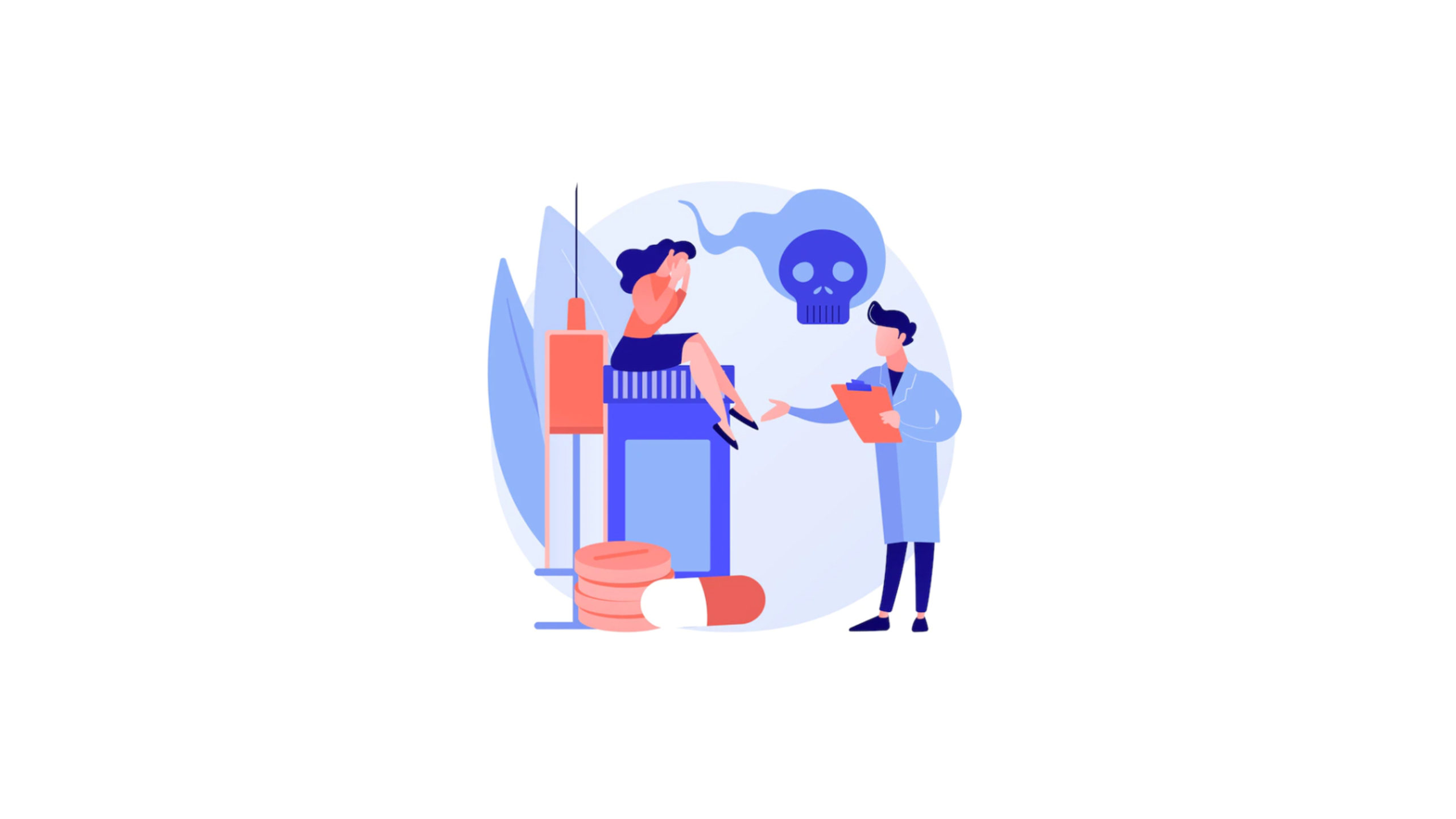
Introduction: Opioid substances have long been used in medicine to alleviate and relieve patients' pain. Some considered it a panacea. But the reality is that the panacea mentioned in legends was a healing compound and different from opioid substances. What causes some people to fall into the trap of addiction is the fleeting intoxication and euphoria from using these substances, together with the human tendency toward experimentation and risk-taking, a lack of awareness of the complications caused by using these substances, and also the absence of correct insight and people's reliance on others' false beliefs. Unfortunately, regarding the physical effects of narcotics, incorrect beliefs and convictions are prevalent among the people of our country. Studies and research indicate that not only does the use of narcotics have no positive effect on the body and mind, but on the contrary it causes negative effects on the various systems of the body. Why do people use narcotics? The reasons of young people are often different from those of older people. What is often raised by addicts is: 1/ sitting with friends and having fun 2/ escaping from problems and forgetting them 3/ escaping from accepting responsibility 4/ having a new experience with friends 5/ ease and stress reduction 6/ pain and relieving fatigue 7/ escaping from displeasure 8/ incorrect medical beliefs
∴ Opium and lowering blood sugar Some addicts consider the use of narcotics to be a factor in burning or lowering blood sugar. This false belief may have arisen from the desire for sweets after using the substances. But this thought has no scientific basis, and the glucose-metabolism systems have no connection to narcotics. By making people sluggish and lethargic, the substances disrupt the sugar-metabolism process, and research also shows that opioid substances cause an increase in blood sugar, or hyperglycemia, in most cases.
∴ Opium and concentration of mental faculties When substances do not reach their body, addicts develop signs of narcotic withdrawal such as hand tremor, fatigue, impatience, etc., and to be rid of these symptoms and to create suitable conditions and increase concentration, they need to supply the body with narcotics. This matter has falsely led some people, especially drivers, to think that using narcotics increases concentration and reduces drowsiness.
∴ Opium and earache Addicts in many cases consider blowing opium or cigarette smoke into the ear canal to be a means of silencing earache, especially in children. Earache can have various causes such as infection, dental disease, tumor, etc., each of which has its own particular treatment. Due to its analgesic effect, opium relieves any kind of pain, or tobacco smoke, due to its heat, may have a soothing effect. But it is obvious that using opium, especially in children, is not only unhelpful but also carries the risk of poisoning or cardiac-respiratory arrest.
∴ Narcotic use and stress reduction Some imagine that using narcotics reduces responses to stress and causes indifference to the surrounding environment. But narcotic use works in the opposite way, and chronic use of opium derivatives such as morphine increases the brain's responses to stress, and the addicted person is more irritable and more vulnerable.
∴ Opium and preventing hair loss Preventing baldness of the head is another false belief that some addicts consider correct. The causes of hair loss are varied, and fungal factors, malnutrition, heredity, skin and glandular diseases can all be among its causes. On the other hand, narcotic use causes premature aging in all tissues and premature graying of the hair of the head. This complication is especially evident in heroin addicts.
∴ Narcotics and heart health A group believe that using narcotics makes the heart healthy and regulates their blood pressure. Whereas one of the complications of using heroin and other injected narcotics is the entry of microbes through the skin and their implantation in the heart wall and the creation of a heart complication. This complication also occurs in the cerebral arteries. In addition, addicts, who mostly also smoke, develop vascular blockage and reduced blood oxygen and stroke. The use of cocaine and other stimulant and hallucinogenic substances is also accompanied by an increase in blood-pressure surges, heart attack and stroke, and sudden death.
∴ Opium and treating diarrhea Opium and its derivatives slow the movements of the digestive system. Using these substances in infectious and microbial diarrhea causes microbial accumulation and increases their penetration into the intestinal bloodstream, and the infection spreads throughout the body. Therefore, using opium and the like as an anti-diarrheal medicine, especially in children, is very dangerous and has so far caused much death.
"Let us seek the treatment of ailments from a physician, not from society's false beliefs."
Comments
No comments yet.
To leave a comment, please sign in.