
The Skill of Stress Management
صدف سخاییJanuary 22, 2024مقالات
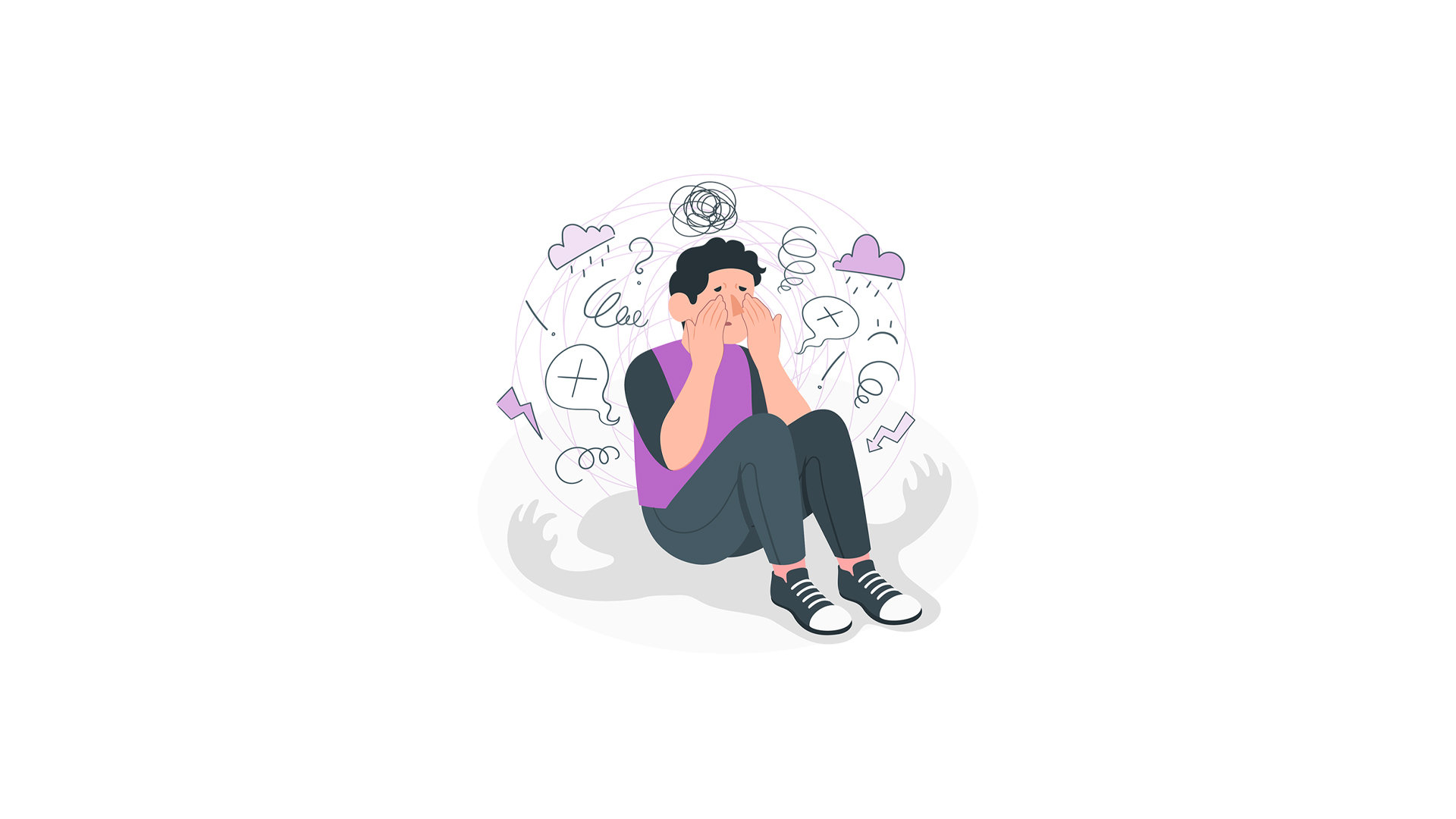
Stress plays an important role in causing disease. Many physical illnesses, including digestive ailments, headaches, high blood pressure, asthma, etc., as well as most psychological illnesses such as anxiety, depression, sleep disorders, etc., are directly related to people's encounters with various stresses. Stress does not have the same effect on different people. This difference in vulnerability to stress goes back to the coping style and the way people deal with stress.
What is stress? Stress is a condition or situation under which a person feels they are faced with severe demands that they cannot meet even with the help of others.
Bad and unpleasant events and situations are not necessarily stressful; rather, many pleasant events such as marriage, the birth of a baby, buying a house, and changing one's place of residence, etc., because they likewise require a kind of change and adaptation to new conditions, can be stressful. Stress, whether positive or negative, if a person cannot manage it effectively and cope with it, can have harmful effects.
How can stress be managed?
Stress is related both to external factors and to internal factors. External factors include the situations, problems, and challenges that arise in your path. Internal factors are also: the states, conditions, and individual characteristics that determine your ability to deal with external factors. Such as nutritional status, the overall health of body and mind, emotional states, and the amount of comfortable sleep you have. Therefore, stress management may also include strategies, both for changing external factors and for the internal capabilities of individuals.
In general these skills fall into two general categories:
Action-based skills (problem-focused):
In this type of skill, we seek to confront the stressful problem and change the situation or environment. For example, if a person's illness has created stress for the family, we refer to various doctors and specialists in the relevant field and try, by timely diagnosis and treatment of the illness, to reduce the stress created.
Emotion-based skills (emotion-focused):
In these, we do not have the power to change the situation, but we can, by changing the perception and interpretation we have of the situation and the feeling we have toward it, manage the existing stress. For example: facing the death of a loved one, which is very stressful but cannot be avoided. In these situations, emotion-focused skills come to people's aid and make bearing the loss easier. Stress management requires having both of the categories of skill mentioned. Some people use only emotion-focused methods to cope with stress, and therefore cannot properly address the problem.
The stages of stress management are:
1/ Identifying the symptoms and signs of stress
2/ Recognizing and determining the causes of stress
3/ Taking action to address and eliminate the cause of stress and reduce the symptoms created
4/ If necessary, using other complementary methods to reduce stress symptoms when it is due to the pressures of modern life.
Today most people, without considering stages 2 and 3, proceed to stage 4 and try, using ineffective coping methods (which is called maladaptive coping), to reduce the existing stress. But as long as the underlying cause of the stress is not identified and removed, the stress still exists and will exert its effects.
Methods of stress management
If you are exposed to stressful events, give yourself time. Do not expect everything you do to be complete and flawless. Your first coping skill in the course of life's stressful events is being determined, decisive, and brave in the face of them. After you find the opportunity to assess the situation, you can choose the most suitable coping skill. You can deal better with the stressful events of life when you assess them as events under your control.
Reinforce these beliefs in your mind:
I can handle this situation.
I can overcome this problem.
I have the skills and ability needed to succeed.
Some methods of coping with and managing stress
Exercise: First of all, exercise gives you the ability to get away emotionally, for a while, from psychological pressure and stressful conditions. And on the other hand, enjoying physical health and vitality increases your ability to cope with stress the moment it occurs. (Aerobics can be very helpful.)
Relaxation: relaxation, meditation, yoga, etc. are among the traditional methods of reducing stress.
Time management: the skill of time management and planning is of fundamental importance for reducing and controlling stress. Learning to prioritize tasks and avoiding taking on tasks beyond your capacity are necessary to prevent life's conditions from becoming stressful. Using a calendar and planning based on predetermined times, paying attention to pointless tasks that waste time, and replacing them with more useful tasks, ensure that you never find yourself in stressful conditions because of a lack of time, planning, etc.
Organizing skill: If your surrounding environment (room, closet, car, etc.) is orderly, you will never become stressed.
Strengthening the support system: friends, loved ones, colleagues, etc., and all the other relationships that form within social ties can play the role of supporter and stress reducer, both for the body and for the mind of people.
Additional support resources for stress management
1/ See your doctor. Stress can confront your body with many complications.
2/ Do not neglect counseling and psychotherapy. Training in stress management lies within the field of work of psychologists and counselors, and by referring to them you can receive this training suited to your own conditions.
3/ Devote time to being with those you love.
4/ Take part in a training course; methods of stress management, including relaxation and meditation, require theoretical and practical training.
Let us, by acting on these simple recommendations, have a lively spirit, a cheerful family, and a healthy society.
Comments
No comments yet.
To leave a comment, please sign in.