
Book Review: The Content Enterprise
شکیلا بختیاریSeptember 1, 2022تازه های نشر
Today, thousands of businesses around the world use the "content company" market-entry strategy. Why?
Let us review from a little earlier!
The world of commerce and marketing began with producing the best and highest-quality goods! Quality and price were everything. In fact, producers of goods and services had no tool in hand other than price and quality.
The peak of their creativity was to say: the cheapest..., the best..., the highest-quality..., the longest-lasting...! That was all!
But over time, the result of persisting with this strategy was the failure of producers!
It no longer mattered what ideas the producer had about the quality or price of a product; little by little it was the consumers who taught the producer what kind of goods or services they preferred, and consumer satisfaction became the measure of the quality of a good and service!
The better and more precisely a producer could win this satisfaction, the more sales and profit it earned!
Now all producers were following consumer opinion, and their slogan had become consumer appeal!
But this too was not enough.
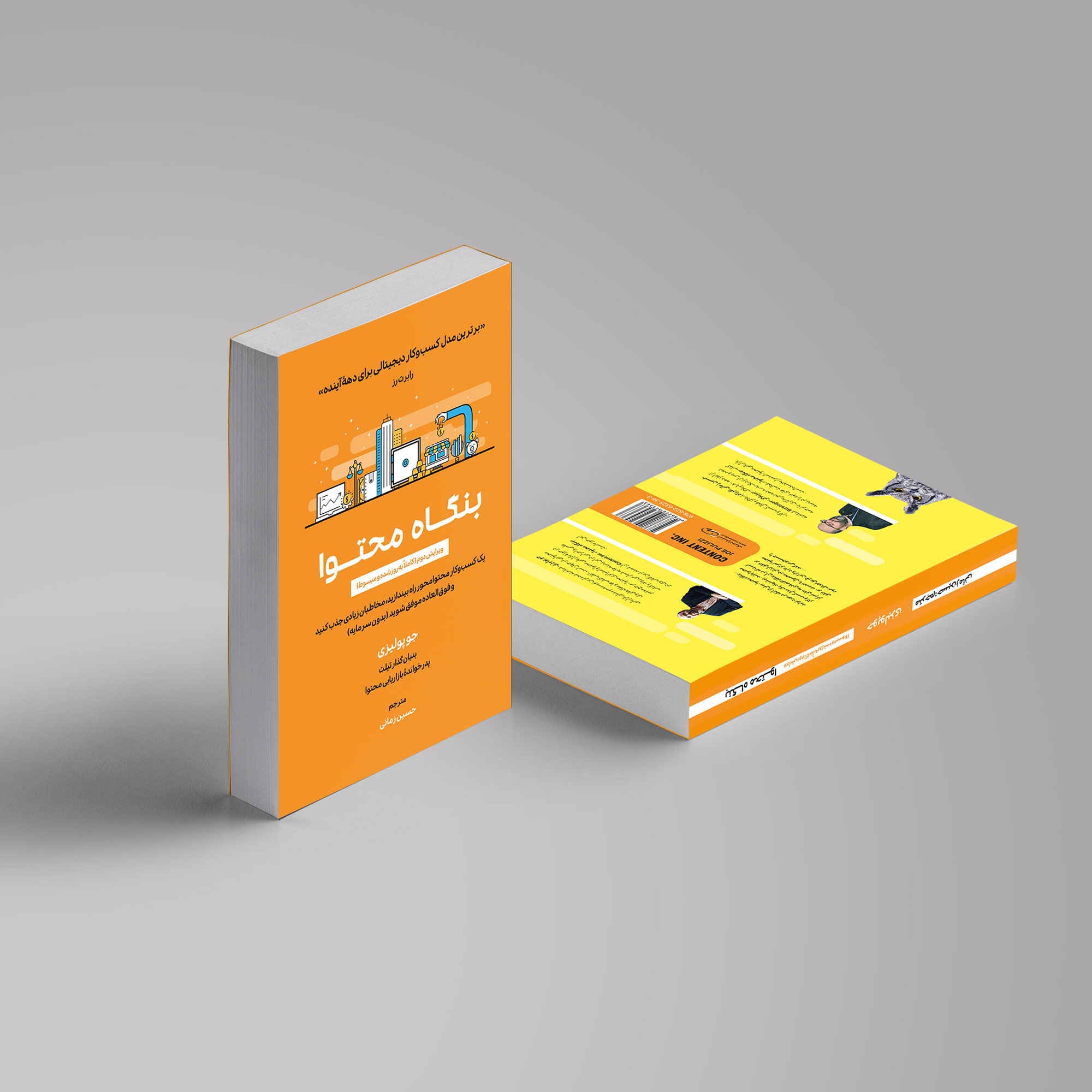
[caption id="attachment_3707" align="aligncenter" width="386"] "The leading digital business model for the coming decade"[/caption]
In the era of businesses going electronic, consumers, in addition to themselves, began paying serious attention to matters such as sustainable development and the environment; producers realized that consumers do not merely buy a product.
Rather, they talk about the product and its effects, they interact, and they use their power of choice at a level for something beyond personal benefit or pleasure, with social concerns also playing a serious role in their decision-making.
For this reason, companies have begun working with sustainable, environmentally friendly products, placing this in their agenda not only as social responsibility but as fulfilling an important demand of consumers.
In a new wave that has recently drawn serious attention in developed countries, the consumer is understood as a human being and all of their human characteristics are taken into account;
thus, the producer, using artificial-intelligence analysis on the vast data provided by numerous tools, understands the consumer and their complex needs, and creates and presents the goods and services they prefer.
In this way, businesses and companies have been thoroughly affected by the presence of artificial intelligence and its tools in life, and the internet and technology have, as a vital element, changed consumer behavior.
The consumer has continuous access to the internet and various communication technologies, and this instant, convenient access to the internet has created many changes in their desires and behavior.
In this era, the consumer, in addition to seeking to feel valued, also needs online and digital communication.
In today's digital world, social networks play an effective role in the life of a society's people and in consumer behavior.
Therefore, to influence consumers of this generation, brands must have a strong presence on social networks.
What has been said was a brief overview of the first to fourth generations of marketing, which today, with closely related interpretations, are accepted and used by many activists in the field of marketing!
The third and fourth generations of marketing were introduced a short time apart and share a great deal in common.
In third-generation marketing, serious attention is paid to the effect of the brand on the consumer's mind, beliefs, and feelings.
What we are currently experiencing in Iran—although in areas such as automobiles we are still in the first era of marketing—is, for many goods and services, somewhere between the third and fourth eras of marketing.
Today, launching a business from point zero, without paying attention to the important questions about marketing the product or service, is a futile effort. Moreover, the concepts of marketing, public relations, and branding have found many points in common, an important part of which lies in the field of content production.
This common ground is so important that one can say launching a business and succeeding in it is impossible without paying attention to the general content produced about it—the content competitors have produced and the content you must produce. That is why Joe Pulizzi, in his book "Content Inc.," believes: "Content Inc. is, more than being about producing content, the proposal of a 'business model' in which the enterprise, instead of focusing on creating value in a product or service, focuses on creating content and pursues its goals through this. Because by creating content at all stages of producing a product and service and publishing it purposefully, you influence the beliefs and minds of your audience and can build your brand more and more in their minds every day."
Needless to say, you know that the greatest wealth of a business is the superior position it holds in the minds of its audience, and every other resource or tool comes after that.
So, use the book "Content Inc." as a road map to the success of your new business or to rebuilding your existing one!
This book, in its second edition—revised to account for the severe changes the worldwide coronavirus pandemic left on the daily lives of people across the globe and on the activity of businesses and brands—teaches, in its opening chapters, how to analyze and identify the audience, and then discusses methods of content production and the tools for publishing it.
Given that Joe Pulizzi in this book elevates the topic of content production to the level of a business model, in the final chapters of the book he presents "Content Inc." in the form of a business and explains how to generate revenue from it.
Finally, the translation of the second edition (May 2021) of the book "Content Inc.," a valuable work by the renowned entrepreneur and author Joe Pulizzi, is before you...
https://irannashr.com/main/product/%d8%a8%d9%86%da%af%d8%a7%d9%87-%d9%85%d8%ad%d8%aa%d9%88%d8%a7/
"The leading digital business model for the coming decade"[/caption]
In the era of businesses going electronic, consumers, in addition to themselves, began paying serious attention to matters such as sustainable development and the environment; producers realized that consumers do not merely buy a product.
Rather, they talk about the product and its effects, they interact, and they use their power of choice at a level for something beyond personal benefit or pleasure, with social concerns also playing a serious role in their decision-making.
For this reason, companies have begun working with sustainable, environmentally friendly products, placing this in their agenda not only as social responsibility but as fulfilling an important demand of consumers.
In a new wave that has recently drawn serious attention in developed countries, the consumer is understood as a human being and all of their human characteristics are taken into account;
thus, the producer, using artificial-intelligence analysis on the vast data provided by numerous tools, understands the consumer and their complex needs, and creates and presents the goods and services they prefer.
In this way, businesses and companies have been thoroughly affected by the presence of artificial intelligence and its tools in life, and the internet and technology have, as a vital element, changed consumer behavior.
The consumer has continuous access to the internet and various communication technologies, and this instant, convenient access to the internet has created many changes in their desires and behavior.
In this era, the consumer, in addition to seeking to feel valued, also needs online and digital communication.
In today's digital world, social networks play an effective role in the life of a society's people and in consumer behavior.
Therefore, to influence consumers of this generation, brands must have a strong presence on social networks.
What has been said was a brief overview of the first to fourth generations of marketing, which today, with closely related interpretations, are accepted and used by many activists in the field of marketing!
The third and fourth generations of marketing were introduced a short time apart and share a great deal in common.
In third-generation marketing, serious attention is paid to the effect of the brand on the consumer's mind, beliefs, and feelings.
What we are currently experiencing in Iran—although in areas such as automobiles we are still in the first era of marketing—is, for many goods and services, somewhere between the third and fourth eras of marketing.
Today, launching a business from point zero, without paying attention to the important questions about marketing the product or service, is a futile effort. Moreover, the concepts of marketing, public relations, and branding have found many points in common, an important part of which lies in the field of content production.
This common ground is so important that one can say launching a business and succeeding in it is impossible without paying attention to the general content produced about it—the content competitors have produced and the content you must produce. That is why Joe Pulizzi, in his book "Content Inc.," believes: "Content Inc. is, more than being about producing content, the proposal of a 'business model' in which the enterprise, instead of focusing on creating value in a product or service, focuses on creating content and pursues its goals through this. Because by creating content at all stages of producing a product and service and publishing it purposefully, you influence the beliefs and minds of your audience and can build your brand more and more in their minds every day."
Needless to say, you know that the greatest wealth of a business is the superior position it holds in the minds of its audience, and every other resource or tool comes after that.
So, use the book "Content Inc." as a road map to the success of your new business or to rebuilding your existing one!
This book, in its second edition—revised to account for the severe changes the worldwide coronavirus pandemic left on the daily lives of people across the globe and on the activity of businesses and brands—teaches, in its opening chapters, how to analyze and identify the audience, and then discusses methods of content production and the tools for publishing it.
Given that Joe Pulizzi in this book elevates the topic of content production to the level of a business model, in the final chapters of the book he presents "Content Inc." in the form of a business and explains how to generate revenue from it.
Finally, the translation of the second edition (May 2021) of the book "Content Inc.," a valuable work by the renowned entrepreneur and author Joe Pulizzi, is before you...
https://irannashr.com/main/product/%d8%a8%d9%86%da%af%d8%a7%d9%87-%d9%85%d8%ad%d8%aa%d9%88%d8%a7/
 "The leading digital business model for the coming decade"[/caption]
In the era of businesses going electronic, consumers, in addition to themselves, began paying serious attention to matters such as sustainable development and the environment; producers realized that consumers do not merely buy a product.
Rather, they talk about the product and its effects, they interact, and they use their power of choice at a level for something beyond personal benefit or pleasure, with social concerns also playing a serious role in their decision-making.
For this reason, companies have begun working with sustainable, environmentally friendly products, placing this in their agenda not only as social responsibility but as fulfilling an important demand of consumers.
In a new wave that has recently drawn serious attention in developed countries, the consumer is understood as a human being and all of their human characteristics are taken into account;
thus, the producer, using artificial-intelligence analysis on the vast data provided by numerous tools, understands the consumer and their complex needs, and creates and presents the goods and services they prefer.
In this way, businesses and companies have been thoroughly affected by the presence of artificial intelligence and its tools in life, and the internet and technology have, as a vital element, changed consumer behavior.
The consumer has continuous access to the internet and various communication technologies, and this instant, convenient access to the internet has created many changes in their desires and behavior.
In this era, the consumer, in addition to seeking to feel valued, also needs online and digital communication.
In today's digital world, social networks play an effective role in the life of a society's people and in consumer behavior.
Therefore, to influence consumers of this generation, brands must have a strong presence on social networks.
What has been said was a brief overview of the first to fourth generations of marketing, which today, with closely related interpretations, are accepted and used by many activists in the field of marketing!
The third and fourth generations of marketing were introduced a short time apart and share a great deal in common.
In third-generation marketing, serious attention is paid to the effect of the brand on the consumer's mind, beliefs, and feelings.
What we are currently experiencing in Iran—although in areas such as automobiles we are still in the first era of marketing—is, for many goods and services, somewhere between the third and fourth eras of marketing.
Today, launching a business from point zero, without paying attention to the important questions about marketing the product or service, is a futile effort. Moreover, the concepts of marketing, public relations, and branding have found many points in common, an important part of which lies in the field of content production.
This common ground is so important that one can say launching a business and succeeding in it is impossible without paying attention to the general content produced about it—the content competitors have produced and the content you must produce. That is why Joe Pulizzi, in his book "Content Inc.," believes: "Content Inc. is, more than being about producing content, the proposal of a 'business model' in which the enterprise, instead of focusing on creating value in a product or service, focuses on creating content and pursues its goals through this. Because by creating content at all stages of producing a product and service and publishing it purposefully, you influence the beliefs and minds of your audience and can build your brand more and more in their minds every day."
Needless to say, you know that the greatest wealth of a business is the superior position it holds in the minds of its audience, and every other resource or tool comes after that.
So, use the book "Content Inc." as a road map to the success of your new business or to rebuilding your existing one!
This book, in its second edition—revised to account for the severe changes the worldwide coronavirus pandemic left on the daily lives of people across the globe and on the activity of businesses and brands—teaches, in its opening chapters, how to analyze and identify the audience, and then discusses methods of content production and the tools for publishing it.
Given that Joe Pulizzi in this book elevates the topic of content production to the level of a business model, in the final chapters of the book he presents "Content Inc." in the form of a business and explains how to generate revenue from it.
Finally, the translation of the second edition (May 2021) of the book "Content Inc.," a valuable work by the renowned entrepreneur and author Joe Pulizzi, is before you...
https://irannashr.com/main/product/%d8%a8%d9%86%da%af%d8%a7%d9%87-%d9%85%d8%ad%d8%aa%d9%88%d8%a7/
"The leading digital business model for the coming decade"[/caption]
In the era of businesses going electronic, consumers, in addition to themselves, began paying serious attention to matters such as sustainable development and the environment; producers realized that consumers do not merely buy a product.
Rather, they talk about the product and its effects, they interact, and they use their power of choice at a level for something beyond personal benefit or pleasure, with social concerns also playing a serious role in their decision-making.
For this reason, companies have begun working with sustainable, environmentally friendly products, placing this in their agenda not only as social responsibility but as fulfilling an important demand of consumers.
In a new wave that has recently drawn serious attention in developed countries, the consumer is understood as a human being and all of their human characteristics are taken into account;
thus, the producer, using artificial-intelligence analysis on the vast data provided by numerous tools, understands the consumer and their complex needs, and creates and presents the goods and services they prefer.
In this way, businesses and companies have been thoroughly affected by the presence of artificial intelligence and its tools in life, and the internet and technology have, as a vital element, changed consumer behavior.
The consumer has continuous access to the internet and various communication technologies, and this instant, convenient access to the internet has created many changes in their desires and behavior.
In this era, the consumer, in addition to seeking to feel valued, also needs online and digital communication.
In today's digital world, social networks play an effective role in the life of a society's people and in consumer behavior.
Therefore, to influence consumers of this generation, brands must have a strong presence on social networks.
What has been said was a brief overview of the first to fourth generations of marketing, which today, with closely related interpretations, are accepted and used by many activists in the field of marketing!
The third and fourth generations of marketing were introduced a short time apart and share a great deal in common.
In third-generation marketing, serious attention is paid to the effect of the brand on the consumer's mind, beliefs, and feelings.
What we are currently experiencing in Iran—although in areas such as automobiles we are still in the first era of marketing—is, for many goods and services, somewhere between the third and fourth eras of marketing.
Today, launching a business from point zero, without paying attention to the important questions about marketing the product or service, is a futile effort. Moreover, the concepts of marketing, public relations, and branding have found many points in common, an important part of which lies in the field of content production.
This common ground is so important that one can say launching a business and succeeding in it is impossible without paying attention to the general content produced about it—the content competitors have produced and the content you must produce. That is why Joe Pulizzi, in his book "Content Inc.," believes: "Content Inc. is, more than being about producing content, the proposal of a 'business model' in which the enterprise, instead of focusing on creating value in a product or service, focuses on creating content and pursues its goals through this. Because by creating content at all stages of producing a product and service and publishing it purposefully, you influence the beliefs and minds of your audience and can build your brand more and more in their minds every day."
Needless to say, you know that the greatest wealth of a business is the superior position it holds in the minds of its audience, and every other resource or tool comes after that.
So, use the book "Content Inc." as a road map to the success of your new business or to rebuilding your existing one!
This book, in its second edition—revised to account for the severe changes the worldwide coronavirus pandemic left on the daily lives of people across the globe and on the activity of businesses and brands—teaches, in its opening chapters, how to analyze and identify the audience, and then discusses methods of content production and the tools for publishing it.
Given that Joe Pulizzi in this book elevates the topic of content production to the level of a business model, in the final chapters of the book he presents "Content Inc." in the form of a business and explains how to generate revenue from it.
Finally, the translation of the second edition (May 2021) of the book "Content Inc.," a valuable work by the renowned entrepreneur and author Joe Pulizzi, is before you...
https://irannashr.com/main/product/%d8%a8%d9%86%da%af%d8%a7%d9%87-%d9%85%d8%ad%d8%aa%d9%88%d8%a7/Comments
No comments yet.
To leave a comment, please sign in.