
Optimal Water Consumption
شکیلا بختیاریDecember 4, 2022مقالات
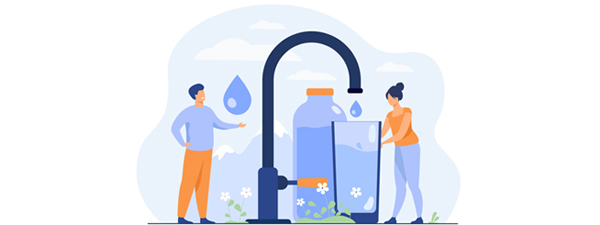
∴ Conserving water consumption Water is the foundation of human health and life. When you turn on the tap at home and cold, clear water flows out, you think less about its scarcity. Unfortunately, 40 percent of the world's people are deprived of safe water. According to the World Health Organization, 30,000 people around the world die every day due to a lack of safe and sanitary water. 80 percent of the diseases that the world's people suffer from are directly related to the lack of sufficient sanitary water. We ourselves are our own greatest enemy, because we pollute even the existing water and make it unusable, or we waste this material so valuable to life through reckless consumption. This causes an unjust distribution of water for humanity and endangers the existence of a number of innocent people.

∴ Methods for optimal water use at home 1/ Each minute of showering uses between 20 and 40 liters of water. Therefore, it is better to reduce the time needed for showering, and using a bathtub is not necessary either. 2/ We can brush our teeth using a glass of water and turn off the flow of water while brushing. 3/ When performing ablution, we should not leave the tap running unused. 4/ We should watch out for malfunctioning toilet flush tanks, because if they malfunction, about 150 liters of water are wasted per day. 5/ We can prevent water waste by placing a bag of sand in the toilet flush tank. Dripping and leaking of water from taps and pipes cause a large amount of water to be wasted every 24 hours. So we should always check the taps and, if faulty, act to fix this problem and replace their washers. 6/ When washing fruit and vegetables, we should close the sink drain and fill it halfway. Then soak and disinfect the vegetables and fruit in it, and at the end rinse the vegetables with a special sprayer. 7/ We should use the washing machine at maximum capacity and use it when enough laundry has accumulated so that the machine runs at full capacity. 8/ We should put a few bottles of drinking water in the refrigerator so that we do not have to leave the tap running to get cold water and waste considerable amounts of water. Using ice is also helpful for cooling. 9/ We should water the garden only during the cool hours of the day, which minimizes water evaporation. 10/ We should keep walkways and stairs clean with a broom; if we do this with a hose, a large amount of water will be wasted. 11/ To wash the car, we should use a few buckets of water instead of a hose. 12/ We should inspect the evaporative cooler and, in case of water waste, use durable and sturdy float valves. 13/ Children usually like to play with water and waste a large amount of it. Therefore, it is recommended that we watch our children. 14/ In summer, and especially during the hottest hours of the day when water consumption is at its peak, we should try to reduce unnecessary uses so that water is available to everyone and its pressure does not drop or get cut off. 15/ Where possible, we should use consumption-reducing devices, such as shut-off valves and pressure-reducing tap heads. 16/ We should not throw away water unless we are sure it can no longer be used. 17/ When you go on a trip, it is necessary to close the valve after the water meter to prevent any incident. 18/ In educational centers and schools, we should teach children and students about the limitations of water resources and methods of water conservation.
 "Conservation means moderate consumption, not reducing essential uses"
So from this very day let us think about conserving treated water and each day ask ourselves: how much have I saved today?
"Conservation means moderate consumption, not reducing essential uses"
So from this very day let us think about conserving treated water and each day ask ourselves: how much have I saved today?

1/ Conserve treated water so that our fellow citizens can also use it, because reckless water use not only intensifies the water-scarcity crisis but also produces more wastewater and creates numerous environmental and economic problems in its sanitary disposal. 2/ Do not use any water unless you are sure it is safe and sanitary. 3/ Avoid polluting the water of rivers and other surface waters by any possible means, and never pour trash or wastewater into the water. 4/ Do not use river water for drinking, and if needed, boil it. 5/ Instead of using chemical fertilizers, it is better to use disinfected natural fertilizers so that water resources are less polluted.
Comments
No comments yet.
To leave a comment, please sign in.