
Poisoning in Children
شکیلا بختیاریJanuary 17, 2023مقالات
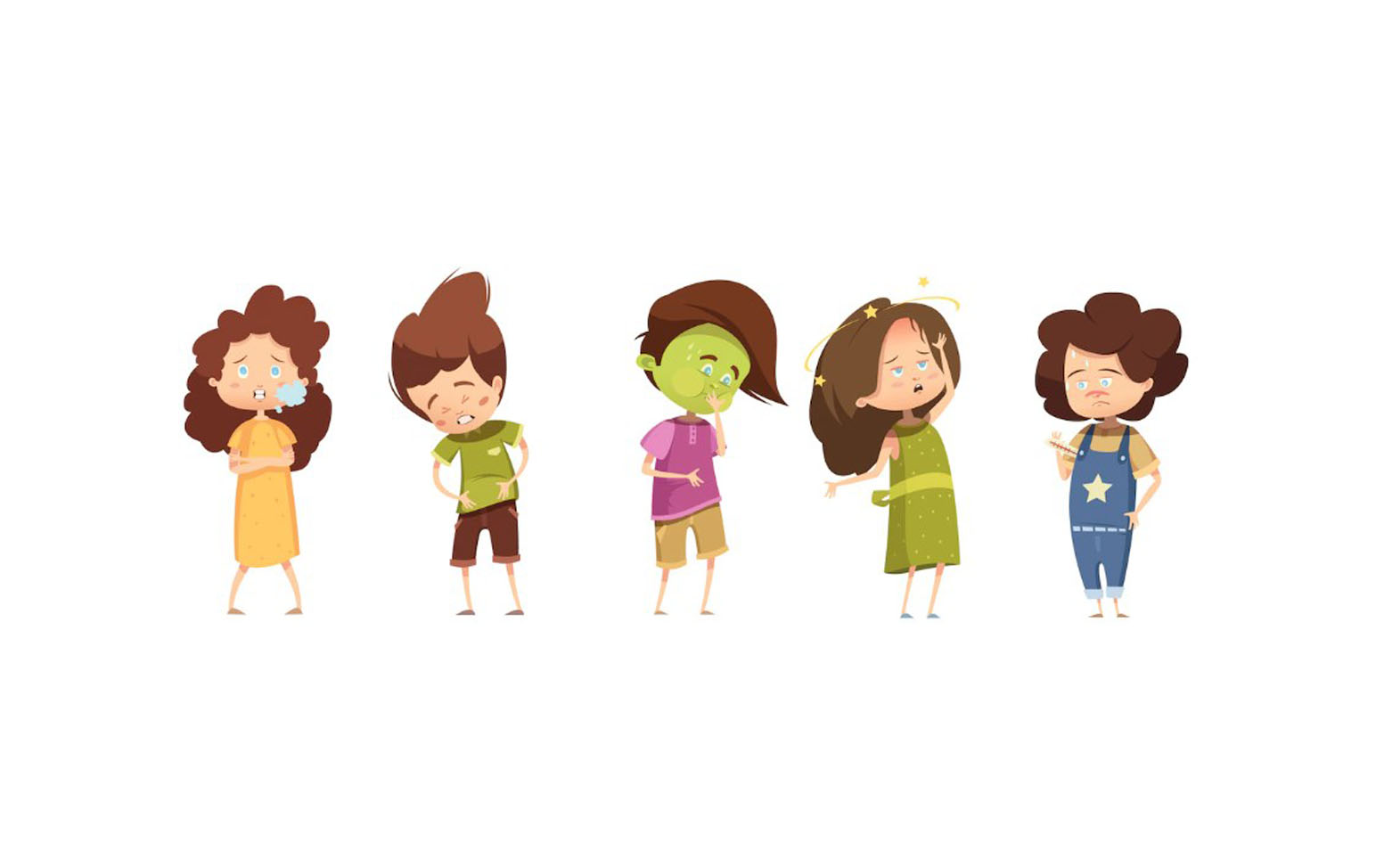
1/ Keep the following substances and products in cabinets and cupboards that lock or out of children's reach: • Medications and vitamins • Air freshener sprays • Perfumes and cosmetics • Disinfectants • Cigarettes • Bleaches and scale removers • Certain types of plants (poisonous plants) • Kerosene and gasoline • Detergents, laundry powder, and dishwashing liquid • Motor oil, antifreeze, paint, and thinner • Pesticides, rat poison, ant killers, and roach killers
2/ Observe the following to prevent your child from being poisoned: The death rate of children due to unfortunate accidents exceeds the death rate due to infectious diseases. Children between the ages of 2 and 4 make up the largest percentage, and interestingly, most of these sometimes painful accidents happen in the home environment. • Children under 4 years of age are the highest-risk age group for poisoning. • Young children may put anything in their mouth. This act is part of how this age group learns and perceives their surroundings, and it sets the stage for poisoning. • Do not store substances such as kerosene and gasoline in milk or soda bottles or in the containers and packaging of other food items. • Do not use insecticide sprays near food. Do not tell children that pills and syrups are tasty or taste like chocolate. • Keep medications, disinfectants, and pesticides in their original containers and in a cupboard or cabinet that locks. Close their lids tightly after each use. • Use only medications prescribed by a doctor, and discard medications that have expired. • Do not leave your child alone, even for a few moments, while they have access to toxic substances. • When buying toys, painting supplies, and modeling clay, pay attention to the label and the information on their packaging and make sure they are not toxic. • Do not leave your handbag within children's reach, and do not keep medications, vitamins, perfume, and cigarettes in your handbag. • Do not keep poisonous plants at home. Many houseplants and flowers, such as oleander and dieffenbachia, are poisonous, and skin contact with them or putting them in the mouth leads to poisoning. • If your child swallows a non-edible substance, contact the emergency center or the poison control center.
Comments
No comments yet.
To leave a comment, please sign in.