
Termite Control Management
شکیلا بختیاریJanuary 24, 2023مقالات
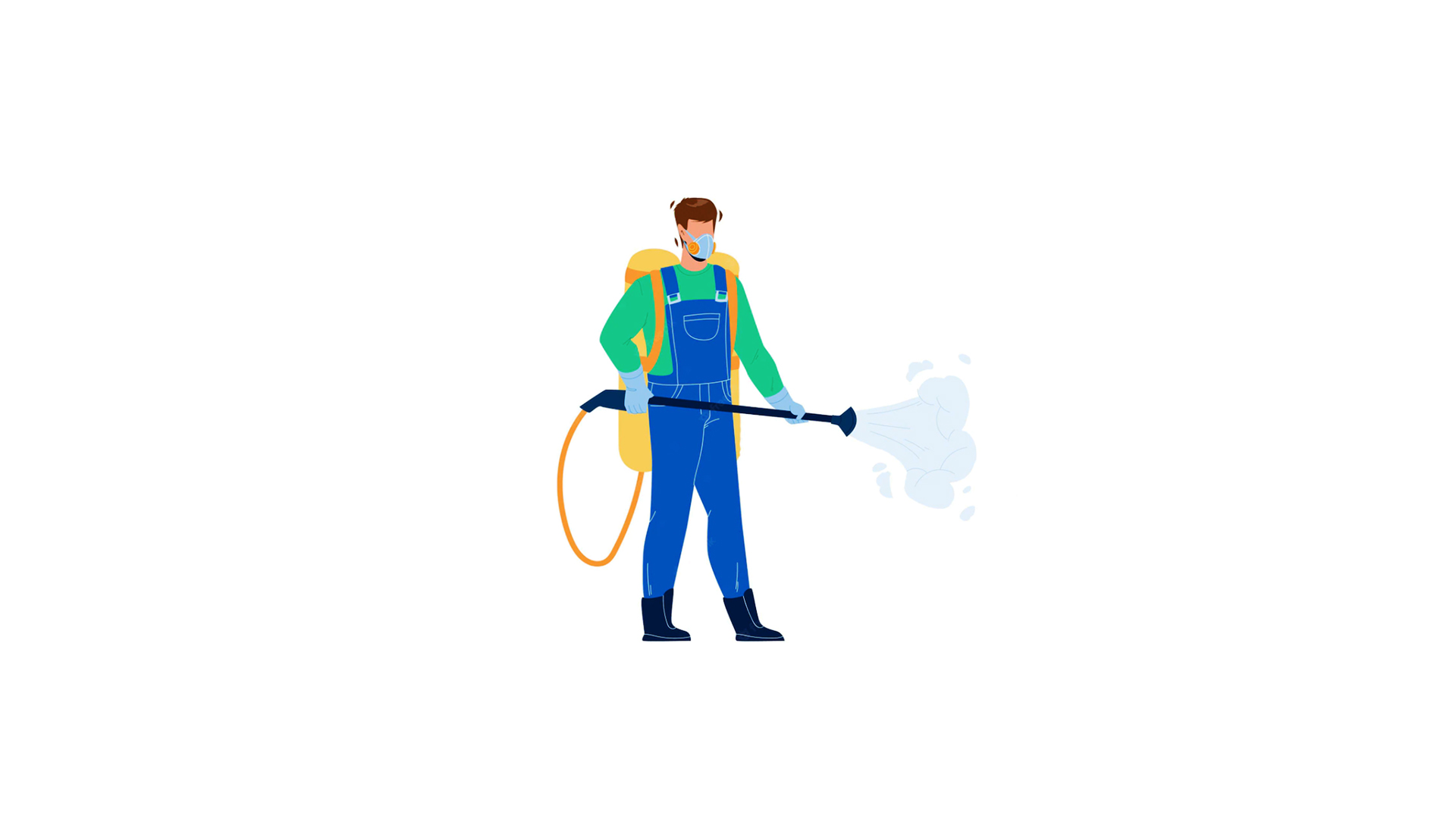
Types of termites and their classification. The name "Termite" is derived from the Latin roots Tarmes and Termes, meaning wood-eating worms. Termites, given their distribution and the extent of damage they cause, are classified among national and urban pests, and people are in no way able to control this insect individually using makeshift methods. Termites have long been one of the problematic insects for humans in green spaces, urban and rural residential complexes, and historic monuments and buildings. Since this insect has high biological diversity, if it is not managed correctly to control it, it will inflict extensive damage and harm. Termites are of two general types: One type attacks buildings and feeds on the wood in homes, and the other type lives in tropical regions and builds its own dwellings in deserts. This group builds nests on the soil that resemble a mound, sometimes reaching a height of more than 10 meters and a diameter of 3 meters, and they are very hard and sturdy, so much so that they cannot be broken even with a pickaxe.
But the termites of the first group are themselves of three different types, which are: • Subterranean termites • Drywood termites • Dampwood termites In Iran, the greatest damage to buildings and to wood in homes is caused by subterranean termites.
∴ Social castes in the termite colony In a termite community, three different forms of termite can be found, each with separate duties. These three forms are called three castes, which are the soldier termite caste, the worker termite, and the reproductive or sexual termites. In general terms, these three castes of the colony fall into two groups: sexual (including male and female sexual individuals) and neuter (including workers and soldiers). The damage caused by these insects to the wood and cellulose fibers used in buildings in tropical regions is very striking; they attack timbers, cabinets, doors, wooden decorations, wallpaper, wooden kitchen cabinets, clothes, books, and items inside storerooms, eating them quietly and out of our human sight. The attack of termites on industrial installations such as wooden electricity and telecommunication poles, military arms depots, museums, libraries, and document archives is also sometimes irreparable and is considered a national catastrophe. This damage goes back to the characteristics of termites in terms of their feeding method and their ability to digest and absorb cellulosic materials, an ability that is sometimes not seen to this extent in other types of insects.
∴ Controlling subterranean termites Since subterranean termites damage building installations in cities and villages more than other types, controlling this type of termite in residential spaces is one of the concerns of researchers and people in termite-infested areas. In general, the program for controlling this pest in urban environments includes three strategies: "preventive measures before construction and urban development," "post-construction control methods," and "quarantine measures," as follows:
1/ Preventive methods This method is the best way to prevent the attack and damage caused by the presence of termites, and it includes the following methods:
1 / 1 Surveying the infested area and estimating the infestation: Although humans are capable of building anywhere, it must be noted that human entry into areas where termites naturally live means a potential risk for extensive subsequent infestations. In other words, when termites have chosen a territory for their life, the presence of humans in such places means a great deal of trouble and difficulty in order to prevent the damage of this insect. Therefore, it is preferable not to undertake construction in such places. In practice, these surveys are carried out in the field of land-use planning.
1 / 2 Clearing: Once the construction area has been surveyed and the severity of the initial infestation by termite colonies has been determined, the area must be carefully cleared of the insect's food sources. Although termites, in search of food sources, may travel long distances underground and reach buildings, removing residual materials that could harbor the insect or its nest is an effective measure that should be carried out before the start of construction. If active colonies are observed in the survey of the area, these colonies must be destroyed using reliable mechanical and chemical methods before construction.
1 / 3 Reducing moisture around buildings: Moisture is among the important factors in increasing or decreasing the termite population. If buildings are located in places where the soil has high moisture due to the presence of sewage or groundwater, the moisture must first be reduced and the ground dried through complete drainage. Some think that wetting the ground keeps termites away; although it may diminish the insect's presence for a short time, wetting the ground actually improves the insect's living conditions.
1 / 4 Using moisture-resistant materials: Most materials used in buildings have pores that absorb water and transfer it to other surfaces; in such a case, materials that are moisture-proof must be used.
1 / 5 Insulating the water supply and sewage networks: Among the factors that help termites infiltrate buildings are defects in water pipes and sewage channels. Often these networks have leaks, and their joints also provide sufficient spaces for termites to enter and create connecting tunnels. For this reason, these pipes must be completely insulated, especially at the branch points and joints.
1 / 6 Creating a disinfection barrier: In some places it is necessary, in addition to insulation, to spray the foundation and floor of the building and disinfect their materials. In such a case, suitable pesticides must be used.
1 / 7 Protecting the wooden parts of the building: The wood used in a building is among the most important food sources for the insect, and it must be kept out of the insect's reach or disinfected against it in various forms.
∴ The main methods of disinfecting wood and isolating it are as follows:
Isolation with petroleum products: This method, which has long been of interest to humans and, besides buildings, has been used in disinfecting electricity and telecommunication poles and railway sleepers, is the simple method of coating with tar. Tar-coated wood has a bad smell and cannot be used in indoor spaces. Interestingly, in some areas where the insect population density is high, a group of termites in practice even attack such wood, and after finding a way to penetrate it, they eat the middle parts that the petroleum substance has not reached. In this case, it is as if some individuals of the population, by sacrificing themselves and eating the tar-coated wood, open the way for the rest with their death. Today, with the replacement of poles and sleepers with concrete ones, the insect's food source has in effect been taken away from it, and the method of tar-coating is no longer of any use.
Disinfection with chemicals: A number of chemicals, classified into two groups—water-soluble and organic-solvent-soluble—are used to disinfect building wood. If these substances are well absorbed by the wood, they have no adverse environmental effect and are long-lasting. Among the most effective water-soluble substances are "copper arsenate" and "chromium."
Disinfection with radioactive radiation: Among the most efficient methods of disinfecting building wood, doors, and even decorations is the use of radioactive radiation. In this method, various types of wood are subjected to a specific dose of gamma radiation, which creates changes in the structure of the wood's molecules that make them extremely hard, so that the jaws of termites will no longer have the ability to chew such wood.
Using wood from termite-resistant trees: Some woods inherently suffer less damage. Such woods are naturally resistant to the insect's feeding, and this goes back to the type of tree, such that the wood of some trees contains substances that repel insects, including termites, or deter them from feeding. Naturally, using the wood of these trees in construction is a deterrent factor, although the extent of this deterrence requires research.
2/ Post-construction control methods In this strategy, similar to the pre-construction strategy, the most important principle is the careful survey of the infested area and the determination of the extent of the infestation. Therefore, as the first step, buildings, especially their hidden parts, must be continuously and carefully surveyed after construction. In this regard, first, through a careful inspection of the building, the extent of the infestation, the intensity of the insect's destructive activity, the population density, and the manner of distribution of the colony and the connecting tunnels are identified, and then any deterrent action is undertaken. On the other hand, people generally try to eliminate this pest from their living environment by taking insect-control measures around their homes, while they are unaware of the aforementioned points and, without sufficient knowledge of the insect's conditions and without attention to the main centers of its presence, engage in a superficial fight. For this reason, in most cases, after one round of spraying, the presence and intensified activity of the pest is observed again. It must be noted that what we see in our home environment are worker termites whose commander is a productive queen, who may be hundreds of meters away in her safe underground nest, continuously producing new workers; therefore, killing a few workers in one place does not give us any assurance about the eradication or successful control of the insect. In other words, as long as the colony and queen remain, the recurrence of infestation is certain. Therefore, a successful insect-control program in buildings and infested areas has two main stages: "detecting the infestation (the location of the colony and queen)" and "carrying out pest-control measures."
2 / 1 Detecting the infestation: For any action toward successful pest control, the location of the colony, the severity of the infestation in different parts of the building and the surrounding spaces, and the extent of the colony's presence and activity must first be surveyed. In this case, sampling and tracking in buildings and areas are carried out randomly using special methods, and the information is recorded. The most difficult part of controlling active termite colonies is the inaccessibility of the nest and the inability to determine its exact location. But by using the method of radioactive marking and tracking the marker substance in the insect's body, the routes and hiding places of termites can be easily found without high cost or harm to premises and the environment. In this method, using nuclear technology, the radioactive substance is first fed to the termites, and then, using a radioactive-radiation detection device (Tracer), the contaminated termites are identified and followed to the main nest. By determining the location of the colony, the colony can be destroyed by various methods, including chemical or mechanical. The radioactive substances used generally emit gamma radiation, which is harmless to humans.
2 / 2 Pest-control measures: Termite-control measures are carried out by the following various methods, depending on the climatic conditions and the severity of the infestation:
a/ Trap-Treat-Release (the TTR method): Traps can attract a considerable number of workers and soldiers. Naturally, using these traps, whether with or without attractants, part of the population can be drawn away from the food sources in buildings, then captured and destroyed. But in the trap-treat-release method, a behavioral characteristic of termites (licking the body to exchange the information needed to recognize one another) is used alongside trapping.
b/ Using poisoned bait: This method became common from the early 2000s. Given that directly spraying or creating a protective barrier with pesticides around homes carries environmental risks and affects people's health, the method of baiting with substances that attract the insect and cause its destruction is more effective and does not greatly harm the environment. In this method, food impregnated with poison is placed in the ground and around buildings. Then, without the toxic substance being dispersed, worker termites are attracted to it and die from feeding on this food source. Naturally, with the death of the worker termites, whose duty is to gather food for the other members of the colony, these members also die from starvation, and in this way the termite colony is destroyed. The effectiveness of this method is far greater than direct spraying, and it also costs less. Stomach poisons are poisons that, after being eaten, cause food poisoning and consequently the death of the insect. These substances have a slow lethal effect, such that termites become poisoned and die 60–90 days after feeding on them. Poisons such as Sulfuramid and Sodium borate are used in this group.
c/ The biological control method: Termites, like all living organisms, have enemies from various animal and microbial groups that cause their death. These natural enemies fall into two groups: predators and pathogenic agents.
d/ The chemical method: Although this is the only conventional method of controlling the insect, it causes resistance in the pest and the destruction of environmental resources. In this method, emphasis is placed on using poisons that are harmless to humans and the environment and on using precise equipment and methods that are alternatives to direct spraying.
e/ The physical control method: This method, which has long been of interest to scientists, includes creating physical barriers in the path of termite nests as well as using radio and sound waves to drive them away. Any object that termites are unable to penetrate can be a physical deterrent. For example, in one study, sand particles were used in such a way that the jaws of the workers were unable to move them. Radio waves with a short wavelength also kill termites due to the heat they produce, although this method is used mostly against wood-dwelling termites and requires advanced equipment. Sound frequencies intolerable to insects can also cause them to flee or die. Therefore, in some cases, sound devices have been devised that emit waves within the hearing range of termites at a frequency not perceptible to humans but that causes the insect to flee. Of course, the effectiveness of this equipment and method is also very specific and limited.
2/ Quarantine measures The basis for the spread of termites from one place to another under natural conditions is the searching behavior of the workers and the settlement of sexual reproductive individuals in new places after their mating flight; in the former case, the spread occurs slowly and within the range of the main nest, but in the latter case the spread is more extensive. But in practice, extensive and sudden termite infestations in a new area go back to human intervention. In other words, it is we humans who unknowingly cause the extensive spread of this pest with our own hands, and therefore serious attention must be paid to quarantine, or preventing termites from entering new places. Quarantining termites can also relate to simple precautions at the area level, which will have a great effect in reducing the spread of this insect. These precautions are in fact recognized as an effective method of termite control, or the sanitary method of controlling the insect, which prevents the insect from spreading in two areas: the green and surrounding spaces of homes, and inside buildings. These measures are:
a- Precautions in green and surrounding spaces Subterranean, drywood, and dampwood termites have a close relationship with the various plants present in the green spaces of homes and parks. In other words, various types of plants can be considered a food source for these termites. Therefore, the following precautions must be taken in this regard: 1/ Not obtaining plants from areas suspected of infestation for planting in other areas. 2/ Preventing the spread of termites when planting plants. 3/ Disinfecting animal manure and leaf mold. 4/ Caring for gardening tools.
b- In buildings 1/ Not moving contaminated soil and building materials. 2/ Not using contaminated decorations and furniture. 3/ Removing unusable wood and wooden items. 4/ Removing unused clothing, books, paper, and cartons.
Sources: Research project on the preliminary survey of termite infestation in the Bandar Imam Petrochemical residential area using resident management; Mehdi Zarrabi; University of Tehran Prepared by: Environmental Health Working Group; Health Festival; Ordibehesht 1392
Comments
No comments yet.
To leave a comment, please sign in.