
Stress Management
صدف سخاییFebruary 27, 2024اخبار
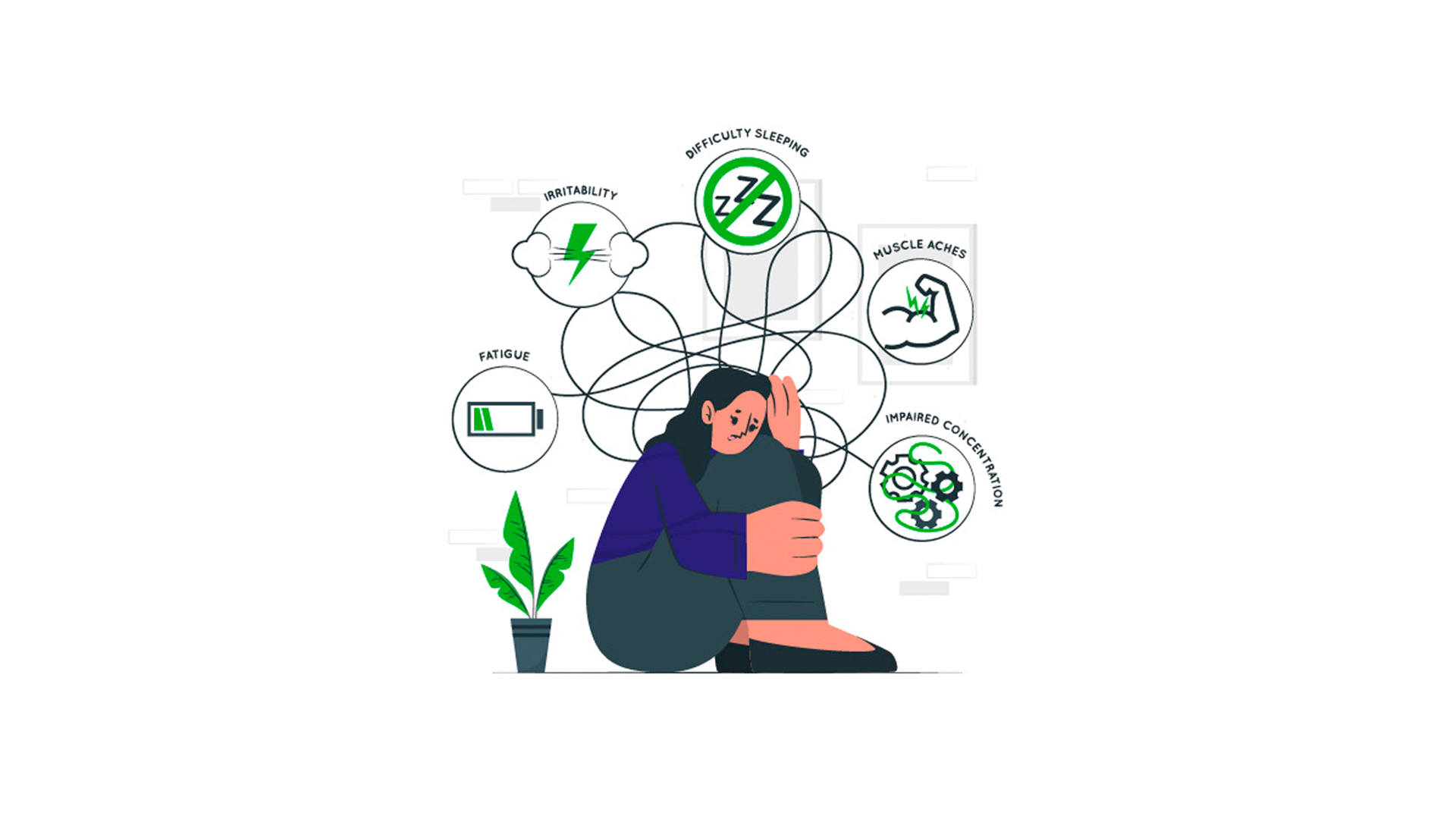
Stress is the pressure and wear and tear on the body that occurs when we adapt to a continually changing environment. Such changes have physical and emotional effects on us and can create positive or negative feelings. When positive, the effects of stress compel us to act, bringing us a fresh alertness and an exciting new perspective. The negative effects of stress create feelings of distrust, rejection, anger, and depression, which in turn lead to problems such as headaches, stomach upset, skin rashes and itching, insomnia, stomach ulcers, high blood pressure, heart disease, and stroke. The death of a loved one, the birth of a child, a job promotion, or the start of a new relationship brings stress, because these changes force us to readjust to our lives. Adapting to changing conditions can be helpful or harmful depending on the type of our reaction. These days, stress exists in the family setting, the home, the workplace, and everywhere, and you are familiar with it.
In fact, stress is part of life, although it also causes disharmony. Understanding stress, in grasping its mechanisms, allows a person to confront it better, or at least to adapt to it. We can never completely eliminate stress from life, and we should not even do so. The only thing we must do is to learn to live well and consciously despite all the stresses. In fact, problems are always there, but you find within yourself a strength that gives you the possibility of acting correctly:
Thus you are no longer anxious, agitated, and worried, while at the same time you are able to live with different feelings such as joy, sorrow, anger, and calm. The goal of stress management is to establish a balance between body and mind. With a positive attitude, you learn the ways to overcome stress, to reduce and change it, and to develop flexibility.
Stress management is in fact taking on all responsibilities—responsibility for your thoughts, feelings, and emotions, your plans and your surrounding environment, and the path that determines how you cope with your problems. The main goal of stress management is to establish balance in life.
Balancing time with work, relationships, calm, rest, and recreation, and how we can emerge triumphant from under the burden of problems by mastering them.
How can one determine what the optimal level of stress is for each person?
There is no single level of stress that is optimal for all humans. Each of us is a unique creature with special needs. Therefore, what is distressing for one person may well be joy-inducing for another. Even when we agree on the distressing nature of particular events, we probably differ in our physiological and psychological reactions to that event.
A person who is fascinated by negotiation, conflict resolution, and job mobility will be under pressure and stress if they have a monotonous, static job. Whereas a person who is interested in stable conditions, when placed in a job whose duties have a high degree of variety, will very likely feel themselves in the grip of stress. Before being exposed to distressing changes... The matter of what our personal stresses are and how much we can tolerate them depends on our lifestyle and age. Most illnesses are linked to continuous stress. If you experience the symptoms of stress, and if the stress is at a level beyond your optimal level of stress, you must reduce the stress in your life or improve your ability to cope with and manage your stress.
Avoiding unnecessary stresses
One cannot avoid all stresses, and avoiding stress at times when you should pay attention is not a sign of your health.
You may be surprised that there are a number of stresses in daily life that you can eliminate.
Learn how to say "no": Recognize your limitations and pay attention to them. In your personal and work life—when you cannot—refrain from accepting extra responsibilities. When you take on more duties than you can handle, you will face a high level of stress.
Stay away from anxious people: If there is someone in your life who always causes you anxiety but you cannot completely sever your relationship with them, limit the amount of time you spend with them.
Take control of your surrounding environment: If the evening news sometimes makes you anxious and worried, turn off the television.
If getting stuck in traffic causes tension in you, set out earlier so that you do not get caught up in this disorder and chaos.
Substituting situations
If you cannot avoid stressful situations, try to find substitutes for them. You can change the shape of your problems by picturing them in the future. Instead of putting a lid on your feelings, express them: If something or someone is bothering you, express it respectfully. If you cannot express your feelings, a resentment and rancor will be created that remains and will bother you again in similar situations.
Compromise and negotiate: When you ask someone to change their behavior, they tend to do so. If you yourself also change a little and show flexibility, then you will have the chance to reach happiness by observing the middle ground.
Be more assertive: In life, never back down. However much problems confront you, stand up to them and overcome them.
Manage yourself better: Lack of time is one of the causes of stress, but with stress management you can control it. When you are very short of time and at the same time also very rushed, it is very hard to maintain your composure, but if you have a plan in mind and are determined, you can refuse such tempting stresses. Accept the things you cannot change.
Some sources are stressful that you cannot avoid or change. Matters such as death, love, the occurrence of natural disasters, etc.
In these cases, the best way to overcome these stresses is to accept them as they are. Of course, accepting them may seem very hard, but it is easier than cursing at times when you cannot change something.
Do not try to bring uncontrollable things under your control: In life, many things are beyond our control, especially the behavior of other people; therefore, instead of trying to change uncontrollable things, try to change what you can. For example, you can focus your thoughts on solving problems and solve them.
Be on the lookout for opportunities: You have surely heard the saying, "What does not kill us makes us stronger." Problems that summon us to challenge and struggle give us opportunities through which we can achieve personal growth.
If your wrong choices in confronting problems cause you more stress, then by handling things correctly and having an appropriate reaction, you can learn something from your mistakes.
Share your feelings with one another: Talking with a trusted friend or gaining hope through conversation with a counselor is very effective. Expressing what you think—even if it cannot solve the problem—is a good substitute for being in stressful situations.
Learn to forgive: Accept that we live in a world that is not perfect, and that people make many mistakes too. Do not let anger and resentment cause you stress. By forgiving others, free yourself from the negative energy around you.
Make peace with stress
If you cannot change the stressors, try to change yourself. You can adapt yourself to situations full of anxiety and worry, and by reconstructing your feelings and bringing them under control, change your expectations and your attitude toward events.
Therefore, you can pay attention to these matters:
Reconstruct problems.
Broaden your view.
Revise your own principles, rules, and standards.
Focus on the positive points.
Record daily stresses.
Keeping notebooks in which you can record your daily sources of stress helps you identify these sources better. In them, you can write down these matters:
What causes stress in you (if you are not sure, you can guess).
How you feel at these times, both physically and emotionally, and what your reaction will be at this point.
How you overcome your stress, or how your feeling will improve.
Ways of dealing with stress There are ways to overcome stress and establish health, but it is necessary for them to be changed under suitable conditions, or for you to change your reaction. When you decide to choose ways of overcoming stress, consider these effective factors: avoiding and refraining from stress, finding a substitute for it, accepting the conditions, or making peace with it.
Comments
No comments yet.
To leave a comment, please sign in.