
Overcoming Anger
صدف سخاییFebruary 26, 2024اخبار
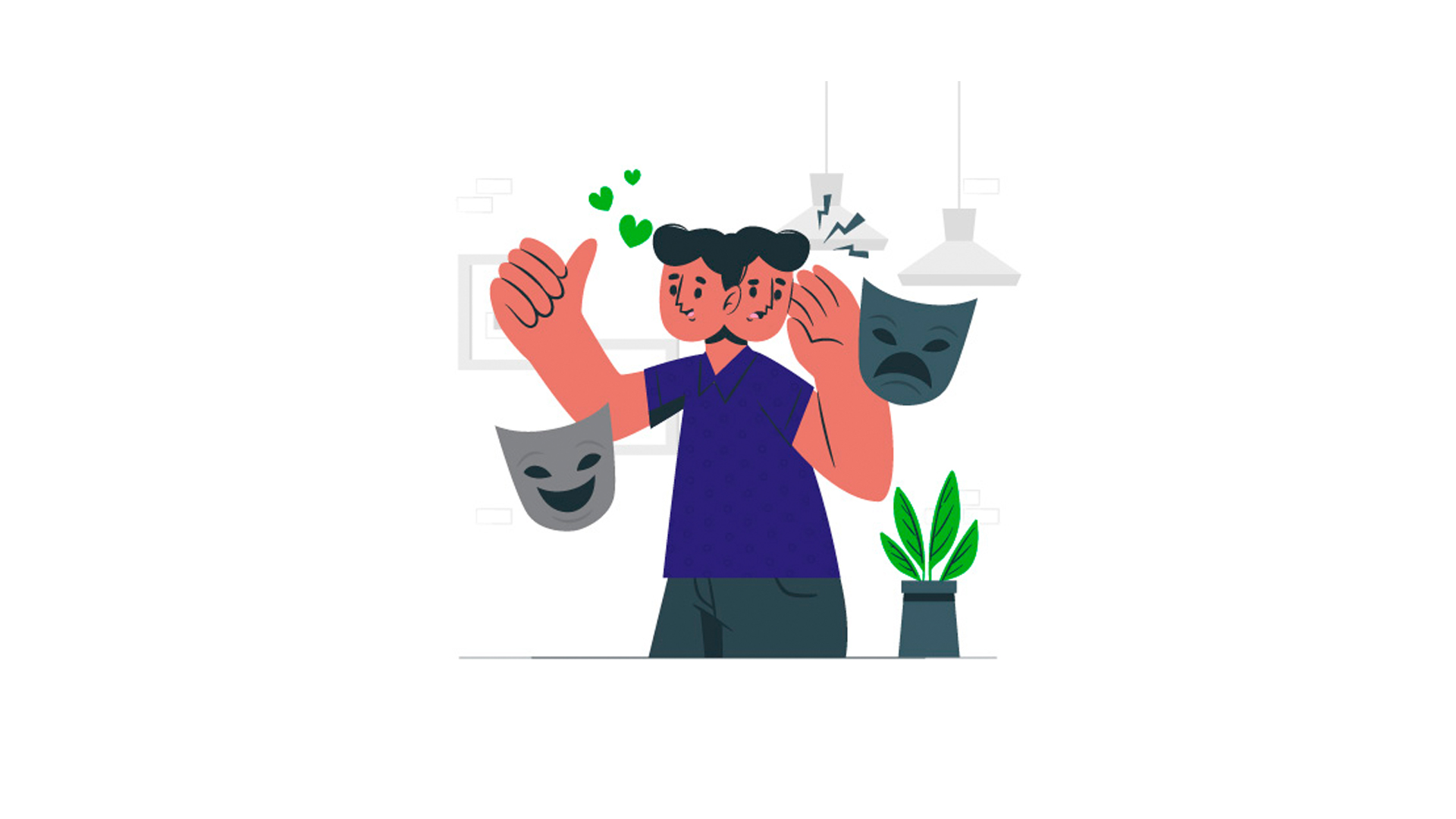
In our society, anger is probably one of the emotions that people are least successful at controlling, and we sometimes experience this powerful emotion. Some of the causes of anger are: frustration, injury, despair, annoyance, and threat. Know that anger, depending on how it is expressed, can be a friend or an enemy, and recognizing anger and how to express it appropriately helps you to achieve your goals, take action in emergency situations, solve problems, and even take care of yourself. On the other hand, failing to recognize and understand our anger can create numerous problems for us.
Some experts believe that suppressed anger is the underlying cause of anxiety and depression. Suppressed anger severs the connections between people; it affects patterns of behavior and thinking and creates numerous physical problems such as high blood pressure, heart problems, headaches, ear disorders, and digestive problems. These problems become worse when a link is established between the danger of uncontrollable anger and crime, physical and emotional abuse, and other hostile behaviors. In the lines below, a 12-step program is presented that can help you control the emotion of anger:
1/ Monitor your pessimistic thoughts by writing a description of the circumstances in which you become angry and enraged. This description provides points about the number and types of situations that provoke you.
2/Admit your problems with overcoming anger.
3/Seek help from the important people in your life to overcome your feelings and change your behavior patterns.
4/By writing a description of your circumstances of anger, you can discover when and where aggressive thoughts come to you. In this way you will recognize these situations and, by drawing on techniques such as deep breathing, positive self-talk, or thought-stopping, you can disrupt your cycle of anger.
5/Put yourself in others' place. This act gives you a different perspective. Bear in mind that we are all human, and humans are prone to error.
6/ Learn to laugh when you become angry and to add a touch of humor and jest to anger-provoking situations.
7/Learn how to relieve tension. Although you may have heard that expressing anger is better than swallowing it, bear in mind that an occasional eruption of anger is not constructive and may well separate you from others.
8/Practicing trusting others is important. It is usually easier for us to become angry than to trust. Therefore, by learning how to trust others, you will probably direct your anger at them less.
9/The skill of listening well to what others say improves your communication, facilitates the formation of a sense of trust between you and others, and helps you overcome your anger, reduce its intensity, and even eliminate it from your life.
10/Learn how to assert yourself. Self-assertion is a constructive and effective alternative to violence. Whenever someone makes you angry, try to explain to them for what reason and because of which of their behaviors you have become upset and offended. Unlike expressing anger, doing this requires a great deal of talking and self-assertion, although the reward for doing so is valuable.
11/ If you live each day as if that day were the last day of your life, you will realize that life is far too short to become angry over every matter.
12/The final step is to forgive those who have made you angry. By erasing resentment and giving up revenge and retaliation, you will see the heavy burden of anger lifted from your shoulders.
Comments
No comments yet.
To leave a comment, please sign in.