
Toxins in the Air
شکیلا بختیاریDecember 11, 2022مقالات

Many of the chemicals present in the home, including modern building materials and items such as furniture and household appliances, produce indoor air pollutants. These seemingly natural materials have been made completely synthetic, because they are coated with sprays, paints, glue, resin, chemicals, etc., and the chemical gases released from them enter the home's air directly. In enclosed environments such as the home, there are substances such as formaldehydes, ammonia vapor, chloroethylene, benzene, etc., that we inhale.
Here we will examine some of the chemical gases and their most common sources:
∴ Formaldehyde
 Carpets, sealants, tiles, fabric, paper tissues, food bags, flooring, gas stoves, paper cups (disposable containers), towels, etc., are among the household items that contain formaldehyde.
Formaldehyde irritates the mucous membranes of the eyes, nose, and throat and is one of the major causes of asthma. Exposure to large amounts of this chemical can lead to eye irritation and headache.
Carpets, sealants, tiles, fabric, paper tissues, food bags, flooring, gas stoves, paper cups (disposable containers), towels, etc., are among the household items that contain formaldehyde.
Formaldehyde irritates the mucous membranes of the eyes, nose, and throat and is one of the major causes of asthma. Exposure to large amounts of this chemical can lead to eye irritation and headache.

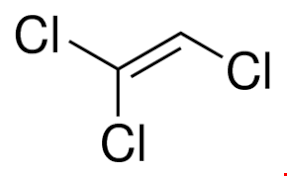
∴ Trichloroethylene
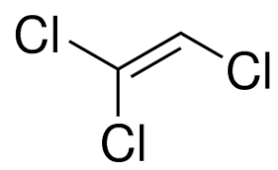 It is used in making glue, fabric printing, varnish, and chemical oils, and in the metal industries. This substance is in the carcinogen group (A2, suspected human carcinogen).
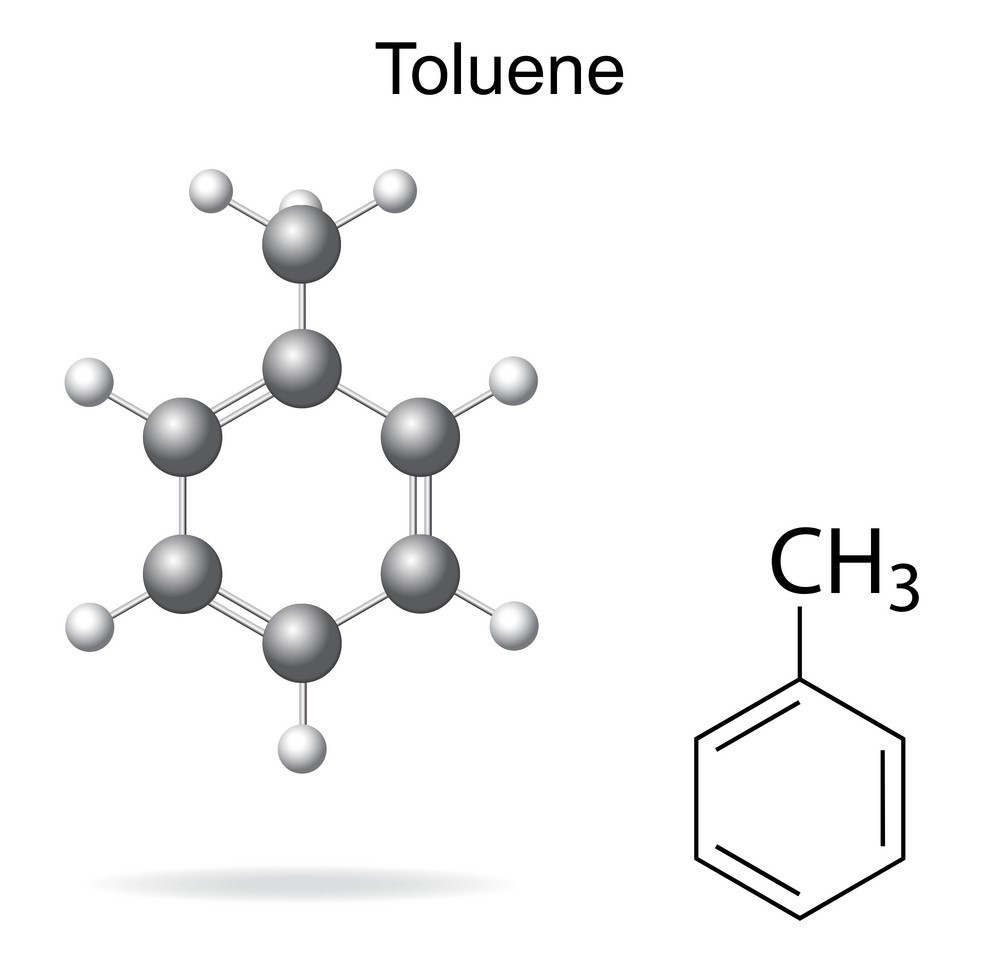
∴ Xylene / Toluene
 It is currently used in color photocopiers and printers and computer screens, flooring, varnishes, and wall coverings, and exposure to high amounts of it causes dizziness, confusion, headache, and irritation of the eyes and upper respiratory tract.
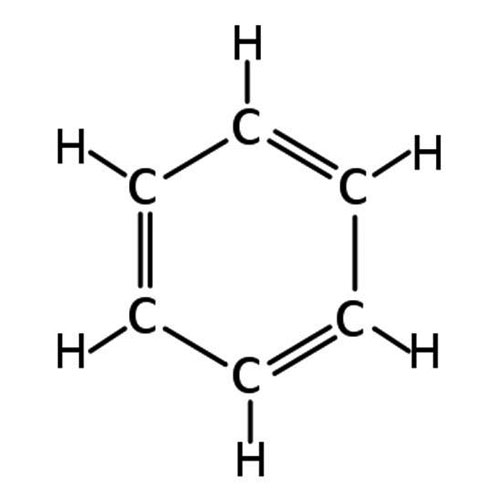
∴ Benzene
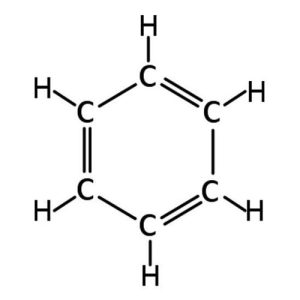 Plastic, rubber, paint, ink, detergents, tobacco smoke, gasoline, and wall coverings contain benzene; inhaling high amounts of it causes weakness, blurred vision, headache, kidney and liver problems, and unconsciousness, and even relatively small amounts of it
can cause headache, drowsiness, psychological disorders, and lymphatic-blood diseases.
Plastic, rubber, paint, ink, detergents, tobacco smoke, gasoline, and wall coverings contain benzene; inhaling high amounts of it causes weakness, blurred vision, headache, kidney and liver problems, and unconsciousness, and even relatively small amounts of it
can cause headache, drowsiness, psychological disorders, and lymphatic-blood diseases.
∴ Ammonia

Cleaning products, printers, and photocopiers contain ammonia. Inhaling too much ammonia leads to irritation of the eyes, nose, and throat and coughing, and can even cause severe respiratory problems.
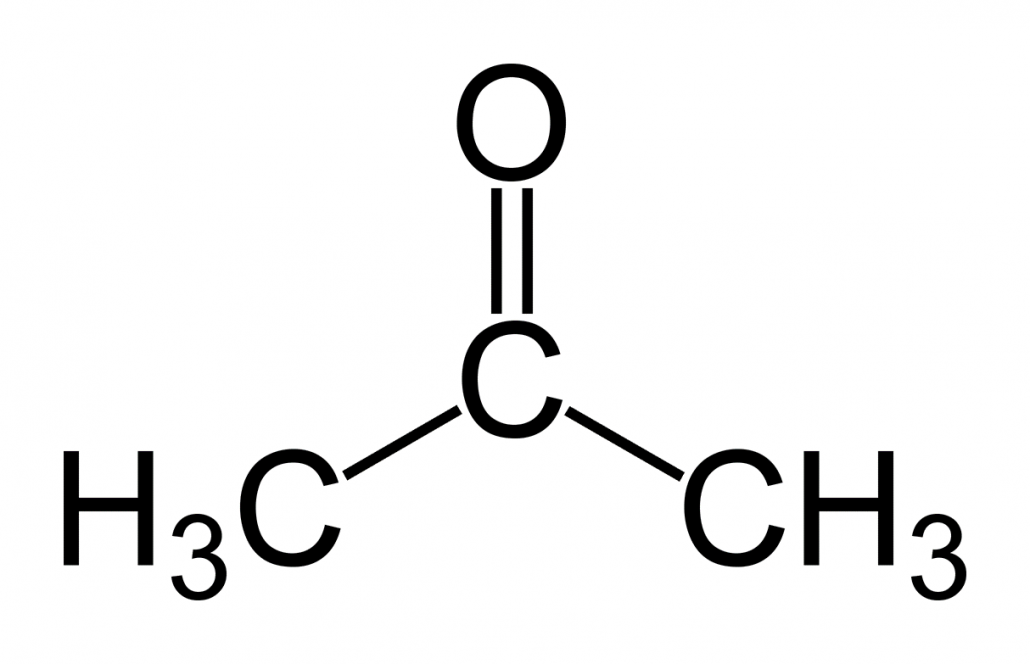
∴ Acetone
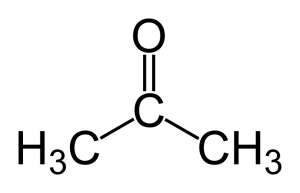 Cosmetics such as nail polishes or liquid lipsticks, or some printing papers contain acetone, and high amounts of it cause nausea, headache, and irritation of the eyes, nose, and throat.
∴ Houseplants, natural air purifiers
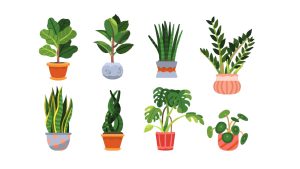 Plants, like an air filter, let the air pass through them and thereby absorb the toxins and chemicals, or expel them, or retain them within themselves. The larger the leaves of the plants, the greater their role in absorbing pollutants.
By absorbing these pollutants, they do not enter the human body, and the likelihood of contracting diseases caused by toxins is reduced. Below, a few examples of houseplants are mentioned.
Plants, like an air filter, let the air pass through them and thereby absorb the toxins and chemicals, or expel them, or retain them within themselves. The larger the leaves of the plants, the greater their role in absorbing pollutants.
By absorbing these pollutants, they do not enter the human body, and the likelihood of contracting diseases caused by toxins is reduced. Below, a few examples of houseplants are mentioned.
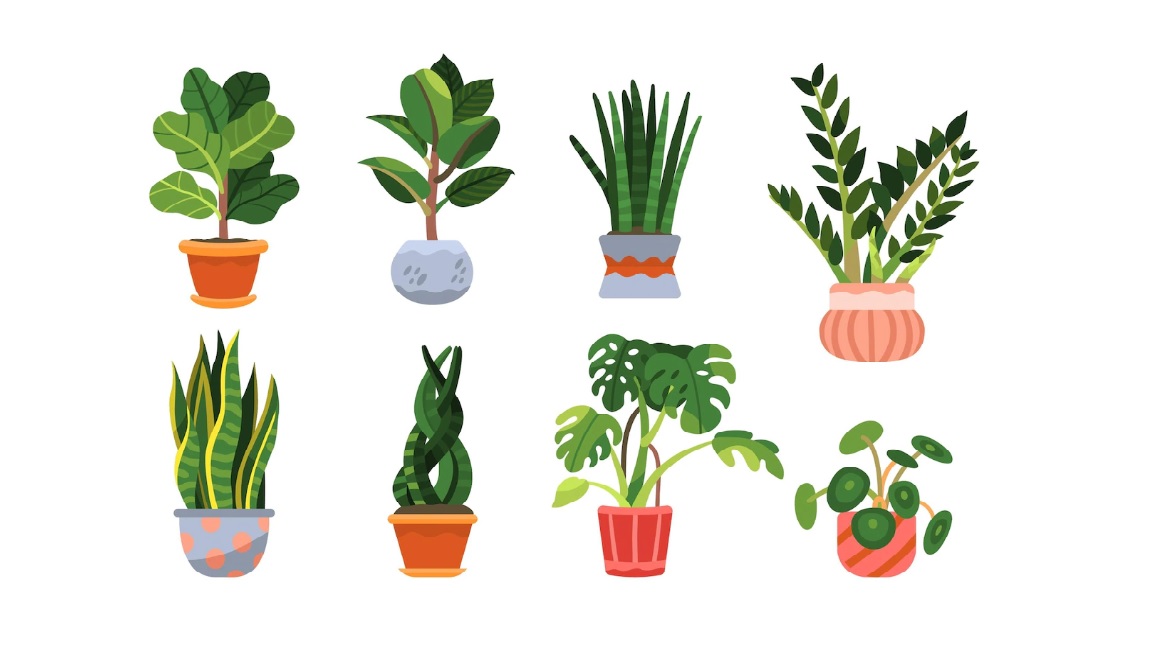
∴ Areca palm
 Among air-purifying plants, this plant is one of the best and most effective.
This plant is very hardy. The areca palm can add humidity and even act as a household humidifier during winter.
Among air-purifying plants, this plant is one of the best and most effective.
This plant is very hardy. The areca palm can add humidity and even act as a household humidifier during winter.

∴ Spathiphyllum (peace lily)

This plant has lush, glossy leaves and white flowers and needs only water; if you give it enough water, you can always use it as an air purifier.
∴ Spiral plants (snake plant)

These plants, which differ from most houseplants, produce oxygen and remove carbon dioxide at night; for this reason, using them in the bedroom is very beneficial, and by placing it in your bedroom you can supply your body's needed oxygen throughout the night.
∴ Climbing plants
 Climbing plants not only release oxygen into the air, but they can also be used as an air purifier.

∴ Date palm
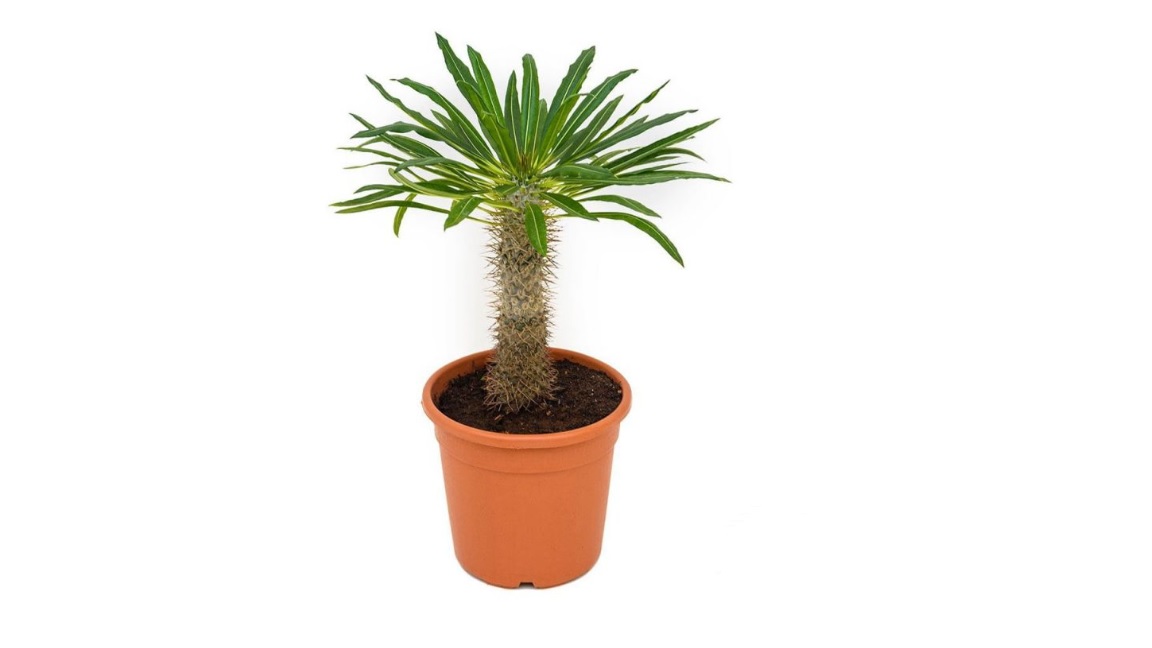
This unique plant looks almost like a date palm and is very effective at removing xylene. The date palm has a long lifespan, and the more it is exposed to light, the healthier and more vibrant its leaves will be.
∴ Curly common fern
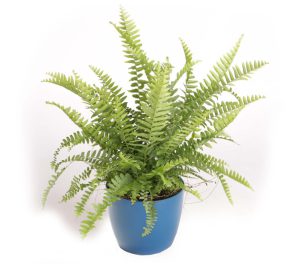 The best way to increase indoor humidity is to use this plant.

∴ Ivy
 This plant has herbaceous stems that never become woody. This plant is known as heart-leaf ivy.

∴ Bamboo
 This plant can keep the indoor air humid during the cold seasons of the year, though it should not be kept in direct sunlight.

Comments
No comments yet.
To leave a comment, please sign in.