
Fatigue and Massage
صدف سخاییFebruary 20, 2024اخبار
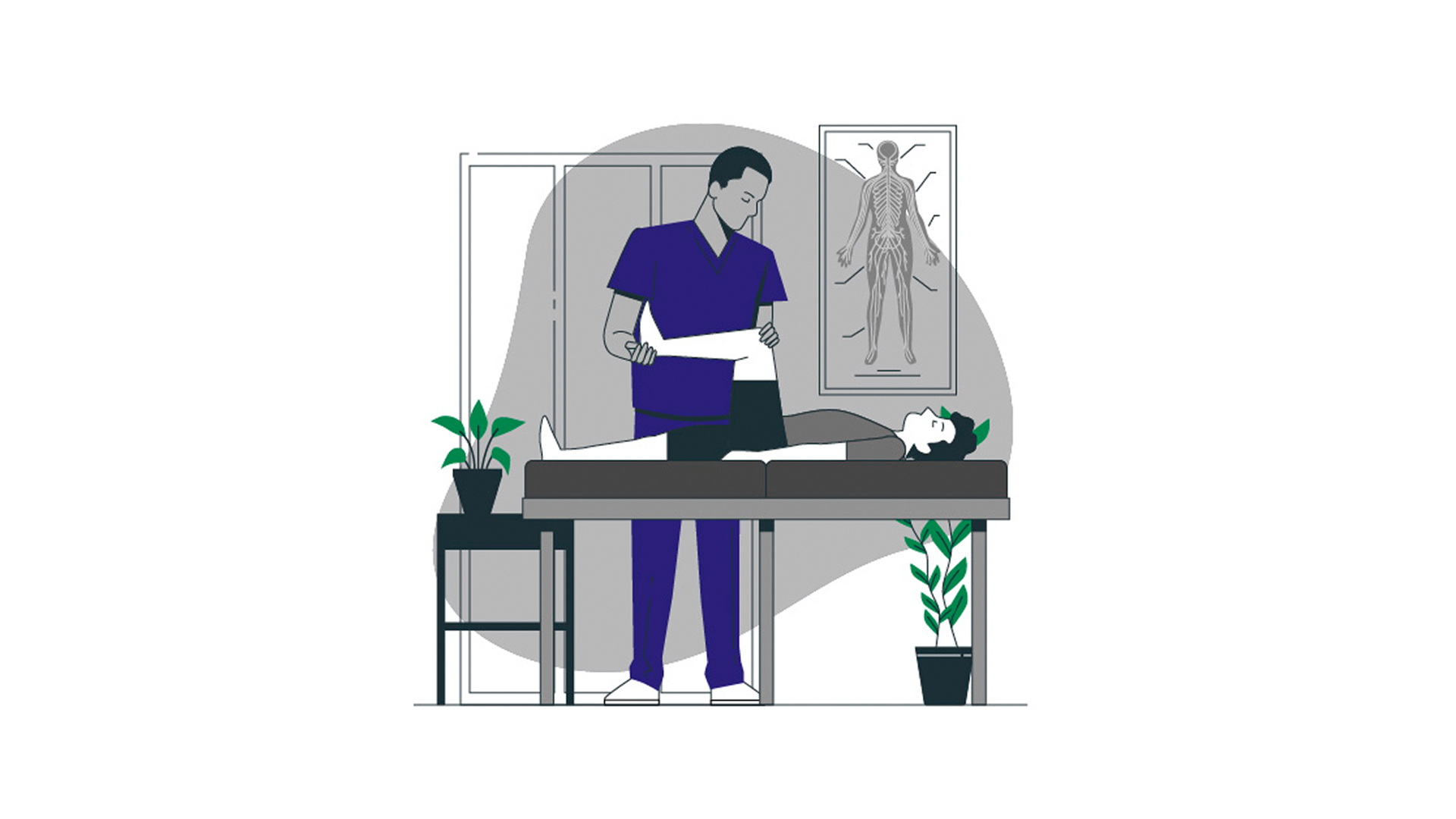
What is fatigue?
Exhaustion and inability to continue physical activity are considered fatigue, which in most cases manifests in a person as a feeling resembling listlessness, lethargy, and muscle pain. Fatigue can result from illness, depression, lack of sleep, anemia, joint pain, muscle weakness, nutritional problems, excessive physical activity, physical stress, and poor sleep.
The continuous and repeated exercise placed on the body's musculoskeletal system during competitions and matches causes a reaction in the muscles and tissues. Using various methods, these applied stimuli must be reduced or eliminated; therefore, if the muscles can be completely relieved of tension and excess stress after a match or training session, muscle cramps will be prevented. It is a mistaken notion that to relieve fatigue one must have complete rest. It has been proven today that in order to remove waste products (such as the lactic acid produced as a result of fatigue in the body), tissues need a sufficient amount of oxygen.
One of the causes of fatigue during athletic activity is the depletion of the muscle's energy reserves. In fact, acute fatigue arises from a decrease in muscle glycogen.
Exercise and fatigue
When the balance between the type and amount of physical activity and a person's build and age is not observed, and other conditions are not duly and correctly taken into account, fatigue is produced. As a result of muscular activity, glycogen—which is stored in the body's muscles as chemical energy—is burned and lactic acid is produced.
Whenever the amount of glycogen is not enough to produce energy, fat and lactic acid begin to burn, and the products resulting from the burning of these substances have a toxic effect on the body's cells, so it is essential that these toxins be removed from the body as quickly as possible.
Extreme fatigue in sport occurs when, in addition to failing to observe the proper type of physical activity and exercise, the person's rest is also inadequate.
Fatigue is divided into two types:
1/ Physical fatigue During physical fatigue, a large amount of waste products accumulates in the muscles, numbing the muscles and nerve branches.
In such cases, the muscles must rest for at least 2 hours so that they can eliminate the waste products. Light activity is the best way to relieve fatigue. The major signs that may be seen in physical fatigue include incorrect and uncoordinated movements, shortness of breath, an irregular heartbeat, and sometimes fainting.
2/ Mental fatigue
This is a gradual and prolonged state of fatigue that does not arise from fatigue from physical and athletic exercise, but rather arises from carrying out heavy programs of incorrect instruction. To prevent such a state from arising, it is better for physical education officials and sports coaches to always take greater care, together with the other teachers, in arranging the curriculum.
Fatigue in children and adolescents
Children tire from physical and athletic activity sooner than adults, because children's tolerance for fatigue is much lower than that of adults. On the other hand, the heat-regulation center in children is not yet fully developed, so they react more quickly to heat and cold.
Relieving fatigue
The best ways to relieve fatigue are:
Slow and gentle activities: Light running helps the body return to its initial state more quickly.
A cold shower: Cold water causes the blood vessels of the body's muscles to dilate and the skin's vessels to contract, so the amount of oxygen in the muscles increases, which helps remove the muscle's waste products and ultimately relieves the body's fatigue.
A hot shower: It increases body temperature and has less effect on removing the body's waste products.
Massage: It is very effective in relieving fatigue.
Massage
Massage is one of the oldest methods that most athletes and people use to relieve fatigue and gain relaxation. Massage can also be used to treat various sports injuries and lesions, and on the other hand, physiotherapy and rehabilitation specialists use various massage methods to treat some of their patients.
Massage can be performed in two ways:
1/Massage by means of special machines that work with electricity and, by creating vibration in the skin and various muscles of the body, induce relaxation.
2/Massage by hand, whose effects are far greater than massage with special machines, because touching the body's skin with the skilled hands of a masseur has remarkable therapeutic effects.
Definition of massage
1/A series of movements performed by hand applied to the body's soft tissues, which can have therapeutic effects on the nervous, muscular, and circulatory systems.
2/A series of regular and methodical movements on the body's tissues that have particular effects on the nervous, muscular, and circulatory systems.
Objectives of massage
The use of massage, especially hand massage, is for relieving pain, increasing range of motion, reducing swelling, maintaining and increasing tissue flexibility, and increasing peripheral blood flow.
Types of massage movements
1/ Stroking
Stroking consists of movements of the hand or parts of it over a relatively wide area of the body. The applied pressure is constant and unchanging. The amount of pressure applied in stroking can range from the lightest touch to very deep pressure. Effleurage is a deep stroke performed from bottom to top to assist venous and lymphatic blood flow. A stroke can be applied in any direction and its sensory effect is important, but in effleurage its mechanical effect is important.
2/ Compression (kneading)
Compression or kneading movements consist of repeatedly grasping and releasing the tissue with both hands. In this case, unlike stroking, the applied pressure is intermittent. The aim of this massage is to stretch shortened tissues or to loosen fibrous tissues and to assist venous and lymphatic blood flow. The kneading movement consists of grasping a muscle group, a muscle, or a part of it, applying pressure and then releasing the pressure, progressing to adjacent areas, and repeating them. Kneading can be performed in a circular motion with one or both hands, applying pressure inward and lifting the tissues, pressing and releasing them, or rolling the tissues between the fingers backward and the thumb forward.
3/ Percussion
These are short, fast, and springing movements of the entire hand (or both hands) alternating against the body, which can be applied as tapping or vibration.
Contraindications of massage
1/Severe tear
2/Herniated intervertebral disc
3/The acute stage of Parkinson's disease
4/Swelling caused by heart disease
5/Fractures that have not healed
6/Inflammation of soft tissues and skin wounds
7/Inflammation of veins after tendon transfer surgery
8/Mental disorders, especially depression or excessive euphoria
9/In pregnancy, and where there are large hernias, peritonitis, and appendicitis, abdominal massage is prohibited.
Comments
No comments yet.
To leave a comment, please sign in.