
Practical Tips for Controlling Overweight and Obesity
شکیلا بختیاریAugust 26, 2023مقالات
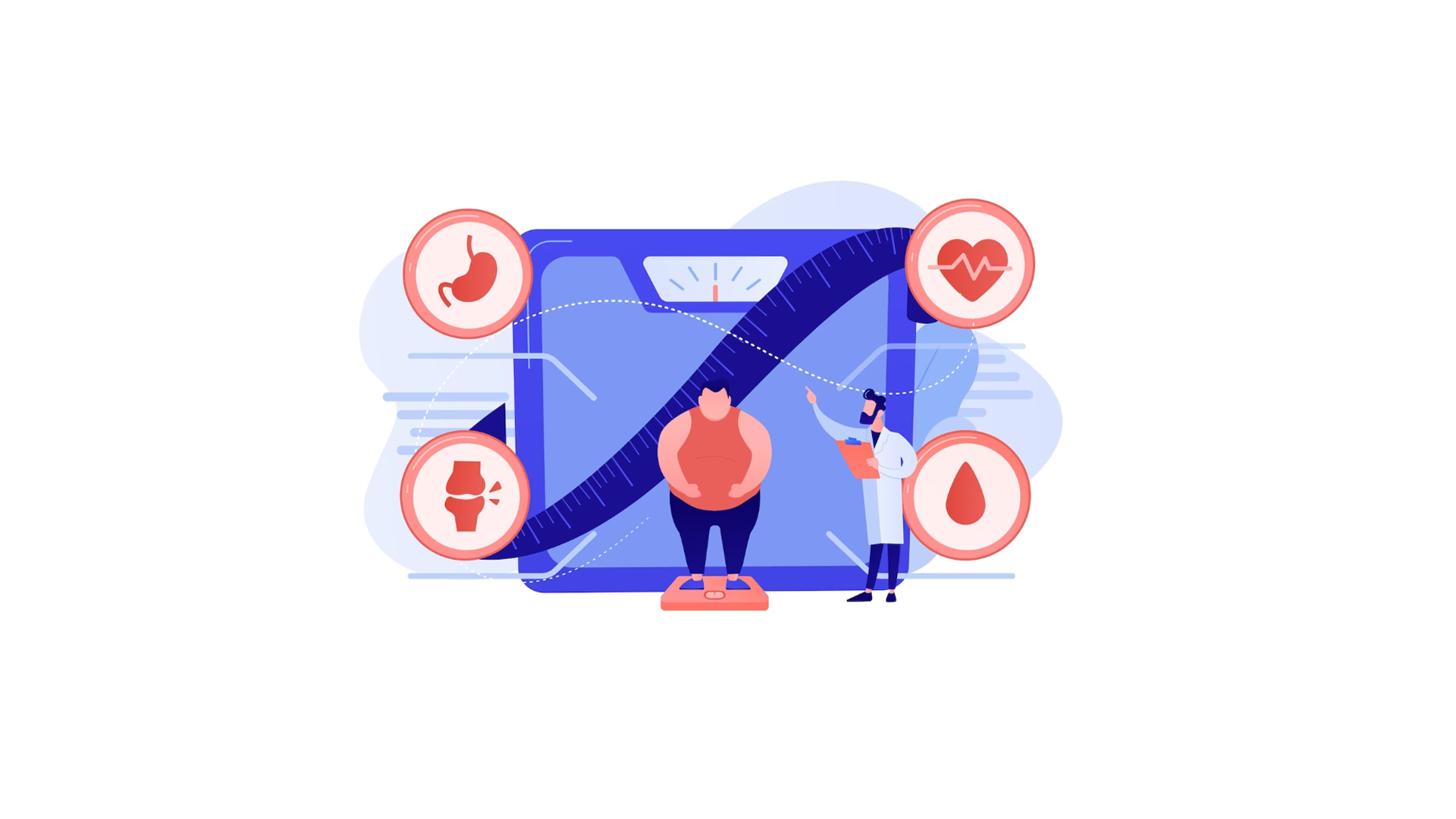
∴ What is obesity? Obesity is an increase in the amount of body fat, either localized or general. The prevalence of obesity has increased considerably in recent years, such that more than 50 percent of women and men aged 40 to 69 in our country are affected by excess weight and obesity. Obesity is a form of malnutrition resulting from overeating that is not only not a sign of health but rather indicates improper nutrition.
∴ What are the simplest methods for determining excess weight and obesity?
Measuring the Body Mass Index The body mass index is an index for evaluating the body in terms of its physical state compared with the standard. Based on this index, people are classified into 4 groups: underweight, within the normal weight range, overweight, and obese.
∴ Is excess weight different from obesity? Excess weight is when the body mass index is in the range of 25–29.9; in other words, the body weight is 10 to 19 percent above the ideal amount for the height and age. But obesity refers to a state in which the weight is 20% or more above the ideal amount, that is, the body mass index is in the range of 30–39.9.
∴ What are the complications of obesity? Obesity sets the stage for many diseases, including high blood pressure, heart diseases, diabetes, gallstones, varicose veins, hemorrhoids, high blood lipids, gout, arthritis, back pain, shortness of breath, diseases of the liver and gallbladder, cancers of the colon, rectum, and prostate in men and the breast and ovary in women, and finally a reduction in human lifespan. Weight control can reduce the risk of chronic disease and the complications caused by them. For example, every 5 kilograms of weight loss in obese individuals reduces the risk of developing diabetes by 5 percent.
∴ Practical recommendations for controlling and reducing weight:
• Weight loss should be gradual and about one kilogram per week.
• Avoid very strict, low-calorie, and self-prescribed diets.
• Always follow a balanced diet appropriate to your physical condition (age, sex, and physical activity).
• When buying foods such as dairy, pay attention to the label of their ingredients and choose the low-fat varieties.
• Do not shop for food supplies when you are hungry.
• Divide your meals into 5 to 6 small, regular meals. Pay attention to breakfast as an important meal, and eat a light meal in the evening.
• Avoid consuming carbonated soft drinks and sweet beverages.
• To reduce appetite, eat raw or steamed vegetables or thin soups before the salad.
• Limit the consumption of sweets and chocolate, sugar, and fatty and fried foods such as French fries and various types of kuku.
• Avoid consuming fatty snacks fried in large amounts of oil, such as chips, doughnuts, and pirashki.
• As far as possible, cook foods by boiling, steaming, or grilling.
• Consume meats in as low-fat a form as possible, such as: trimmed meat or skinless chicken.
• Use condiments such as lemon juice and verjuice, vinegar, and yogurt instead of high-fat sauces.
• Consume more high-fiber foods such as fruits, vegetables, and legumes.
• Replace white breads with whole-grain breads such as sangak.
• Do not eat while doing other things such as reading and watching television, because it leads to overeating.
• Use small plates for eating. The plate of food should be arranged so that it looks full and does not lead to overeating. For example, you can also arrange some salad on the side of the plate.
• If you eat food from a restaurant or self-service places that prepare and cook high-calorie foods, or you eat with people who cause you to overeat, change your eating environment.
• Try to use more vegetables and fruits for snacks.
• Remove from your sight and reach the foods that trigger you to eat.
• Avoid placing a large platter of food on the table.
• Drink 6–8 glasses of water daily.
• Eat meals at specific times of the day and regularly.
• After each spoonful of food, set down the spoon and fork and prolong the time you chew the food.
• Stop eating before you become completely full.
• Leave the table or dining cloth immediately after finishing the meal.
• Have about half an hour of physical activity and regular exercise every day.
∴ The three factors effective in the success of a weight-loss program are:
• Limiting the consumption of high-calorie foods
• Changing improper eating habits and behaviors
• Regular, daily exercise and physical activity
Comments
No comments yet.
To leave a comment, please sign in.