
Adulteration of Food and How to Control Suspicious Foods
شکیلا بختیاریDecember 20, 2022مقالات

One of the negative phenomena is fraud in production, distribution, and economic relations, including underselling, overcharging, and deception in transactions. Fraud in food is one of the worst types of fraud, usually carried out in the following ways: • offering or selling one good in place of another • mixing a foreign substance with the intended good for the purpose of abuse • failure to observe the standard or registered formula. Selling and offering a spoiled good or a good whose expiry date has passed • using unauthorized colors, essences, and other additives in foods, beverages, and cosmetic and hygiene products • increasing or decreasing the components of a food, such as removing the fat of milk and adding water to it
Below we point to some examples of adulterated foods that have been identified by food-control inspectors in Iran:
Bread:
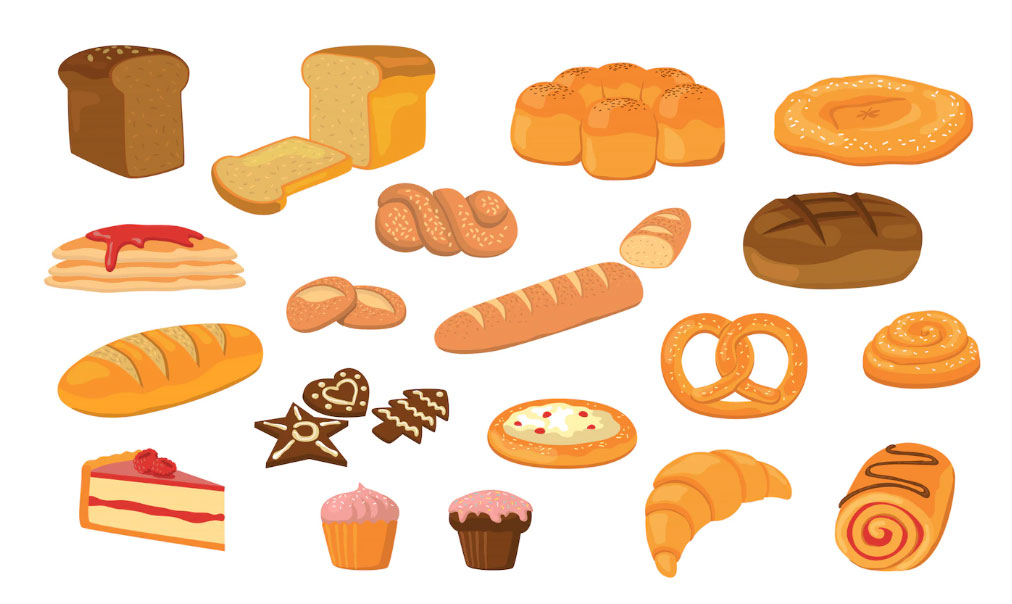
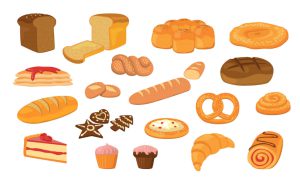 Fraud in bread is carried out in the following forms:
• A few sellers add some potato starch and rice starch to the bread, and as a result the bread dough absorbs more water, so its water content is higher than normal.
• adding other flours such as barley, corn, and wheat flour.
• In the case of old flour that, due to spoilage, has high acidity, some food producers add some sodium carbonate and sodium bicarbonate (baking soda) to the flour. These substances neutralize the acids resulting from spoilage and mask the defect of staleness and oldness of the flour.
• Adding alum to whiten the surface of the bread is another fraud carried out. White breads have more fans in certain regions, so some uninformed sellers add some alum or copper sulfate or borax to dark flour. Adding compounds such as gypsum, bone powder, talc, and the like to the flour.
Fraud in bread is carried out in the following forms:
• A few sellers add some potato starch and rice starch to the bread, and as a result the bread dough absorbs more water, so its water content is higher than normal.
• adding other flours such as barley, corn, and wheat flour.
• In the case of old flour that, due to spoilage, has high acidity, some food producers add some sodium carbonate and sodium bicarbonate (baking soda) to the flour. These substances neutralize the acids resulting from spoilage and mask the defect of staleness and oldness of the flour.
• Adding alum to whiten the surface of the bread is another fraud carried out. White breads have more fans in certain regions, so some uninformed sellers add some alum or copper sulfate or borax to dark flour. Adding compounds such as gypsum, bone powder, talc, and the like to the flour.
Macaroni and noodles:
 In the case of macaroni and noodles, one of the unreasonable methods is the use of unsuitable flours, so some dishonest producers use poor-quality materials instead of suitable raw materials, and to mask this defect they add some coloring substances to the dough, which in most cases are also unauthorized.
Tea:
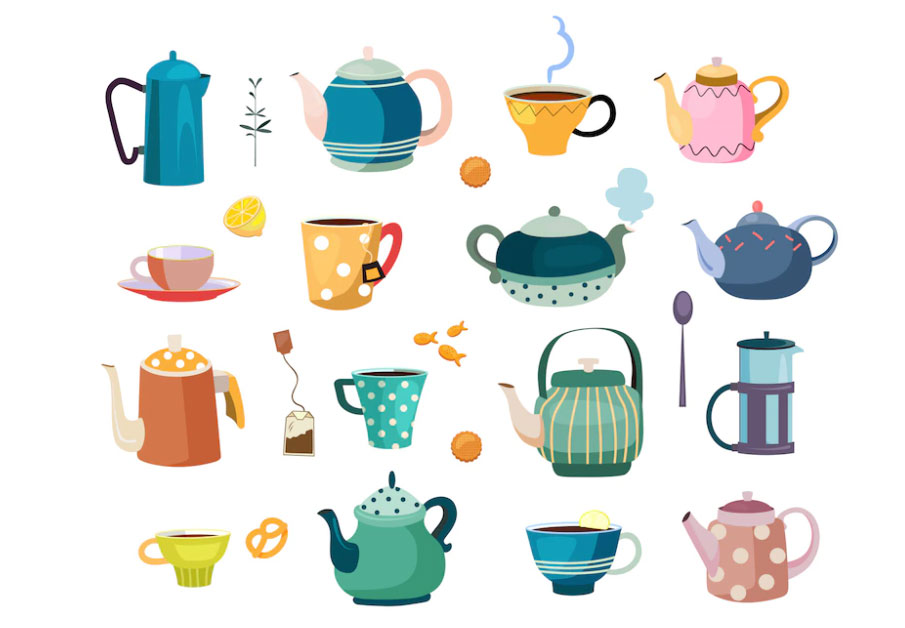
In the case of tea, the most common method that a few uninformed and profiteering sellers resort to is mixing poor-quality tea with various types of high-quality tea. Also, some people collect used tea grounds from places of communal consumption such as teahouses, dry them, add some coloring and special aromatic substances to them, and sell them as high-quality tea.
Coffee:
 Some dishonest and profiteering people sell a mixture of coffee, burnt roasted chickpeas, barley, and the like as pure, high-quality coffee.

Vinegar:
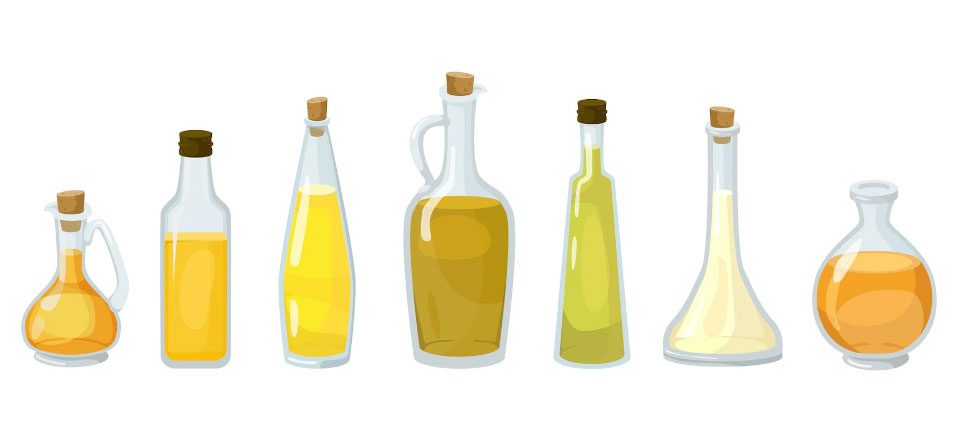
 Given that natural vinegar, especially grape vinegar, is somewhat expensive, a few people, to profit from this product and to make cheap vinegar, mix some commercial acetic acid with water in a ratio such that its acetic-acid content is equivalent to natural vinegar, and to create the special vinegar flavor they use aromatic substances or materials such as pepper, chamomile root, and mustard. Sometimes they also mix natural vinegar with some water and, to adjust its specific gravity, which is changed by this fraud, add some alum or sodium acetate to it.
Verjuice:
 To adulterate verjuice, some sellers mix citric acid with water and a little verjuice and sell it as verjuice.
Lime juice:
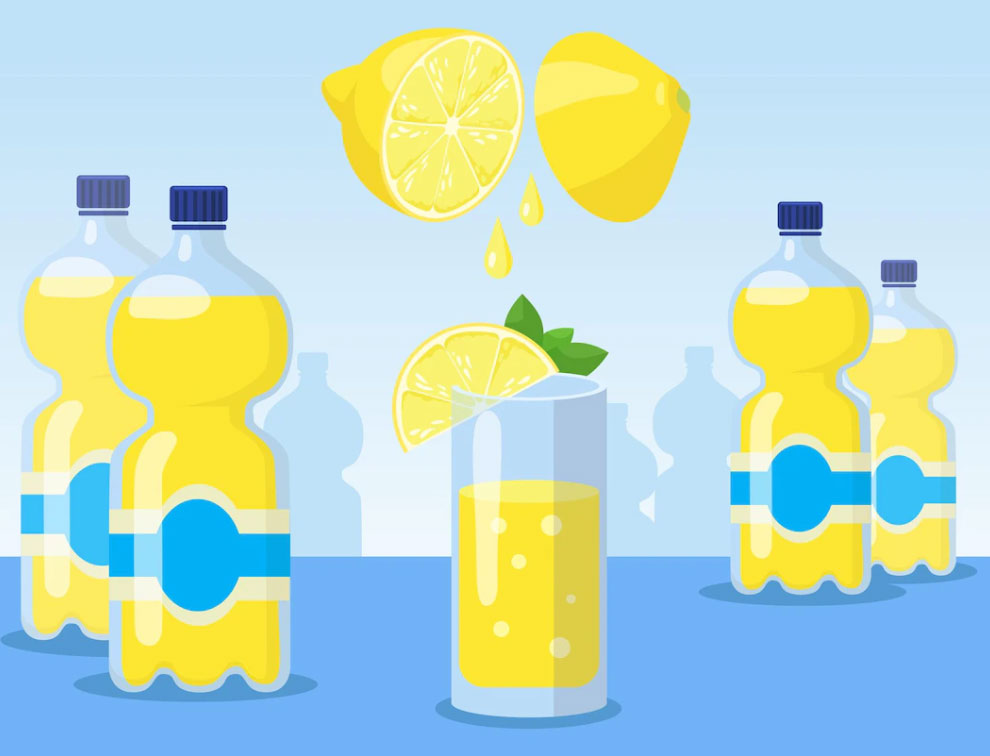
 Preparing counterfeit lime juice has various methods. For example, one type of counterfeit lime juice is prepared by mixing some coarse straw with lukewarm water and leaving it for a while. After a short time, a yellow liquid is obtained, which they place on juiced and sometimes ground lime for a while, then separate the lime peel and add some citric acid or lime essence to it. In some cases, they simply add some water to the juiced and ground lime, and after a while stir the mixture, separate the liquid part, and add some lime essence to it.
Tomato paste:
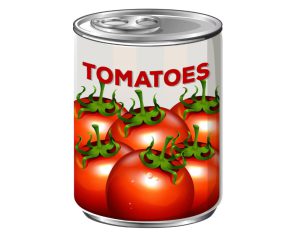 When tomato paste is expensive, some profiteers mix it with some cooked and mashed pumpkin puree or spoiled pumpkin and boil it together with the tomato paste. Also, in some cases they add some cooked and mashed potato to it. In addition, some of these people add some starch to the tomato paste so that the starch absorbs some of the paste's water and as a result the paste appears firm and thick.
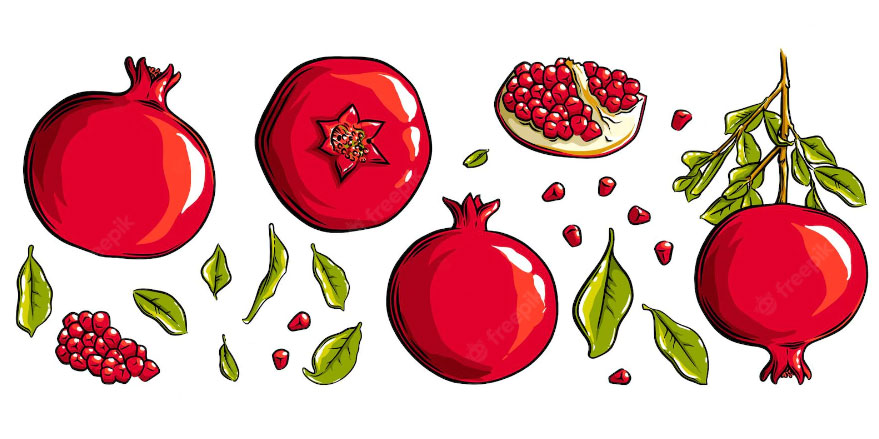
Pomegranate paste:
 For counterfeit pomegranate paste, some people mash sour tomatoes, mix them with pomegranate juice, and sell it as high-quality pomegranate paste.
Saffron:

Saffron is prepared from the stigmas of the flowers of a particular plant, the color of whose pollen is usually yellow, red, purple, and orange-red, and which easily separates from the stigma. To adulterate saffron, some people use the stigmas of the safflower plant and mix it with saffron, and some others use the silk threads around corn and dye them with artificial colors tending toward the color of saffron.
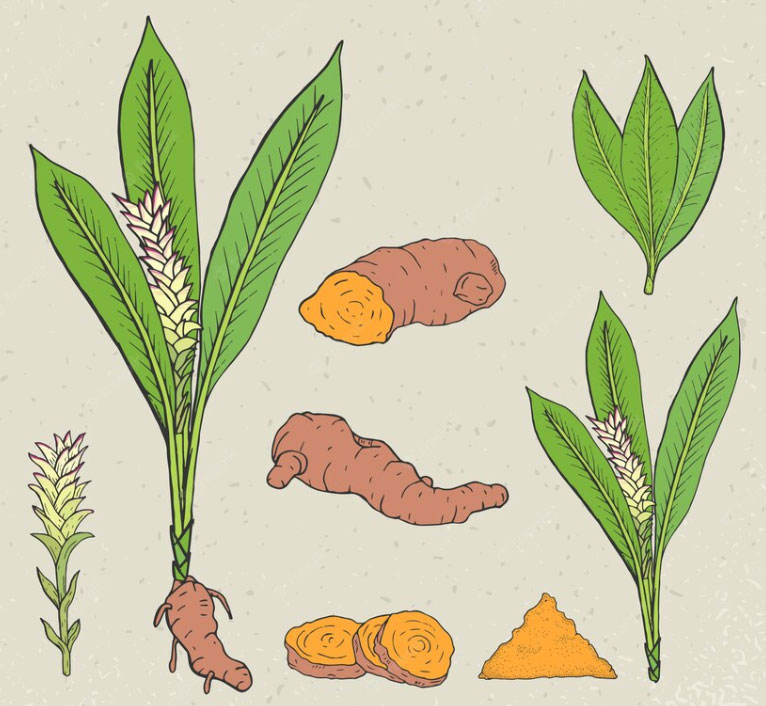
Turmeric:
 To produce counterfeit turmeric, substances such as flour or dry bread, pistachio shells, yellow ochre, and a little turmeric are mixed together and sold as turmeric.
Sumac:
 Some dishonest sellers mix unripe-grape and barberry pomace with yellow ochre and mulberry juice and sell it as sumac.

Kashk:
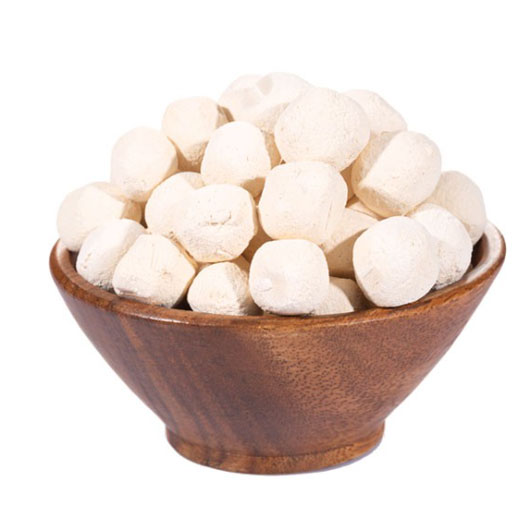
Some food fraudsters mix flour, salt, vegetable oil, essence, and white clay together and sell it under the name of high-quality kashk.
Pepper:

To produce counterfeit pepper, items such as fine sawdust, ground walnut and hazelnut shells, chickpea flour, softened date pits, and similar materials are used as a base, and to create pungency, color, and taste, it is mixed with bell-pepper powder or black mustard. Butter: Some sellers and producers of butter, to increase its weight, add some water or casein to the butter, or substances such as margarine and vegetable oils. Also, to produce the yellow color in butter that attracts most consumers, they mix the butter with coloring substances, some of which are from the authorized-additive group such as vitamins, and some of which may be from unauthorized and dangerous additives.
Animal fat (ghee):
 Some food producers mix vegetable oil with a little animal fat, suet, and tail fat and sell it under the name of high-quality animal fat.
Milk:
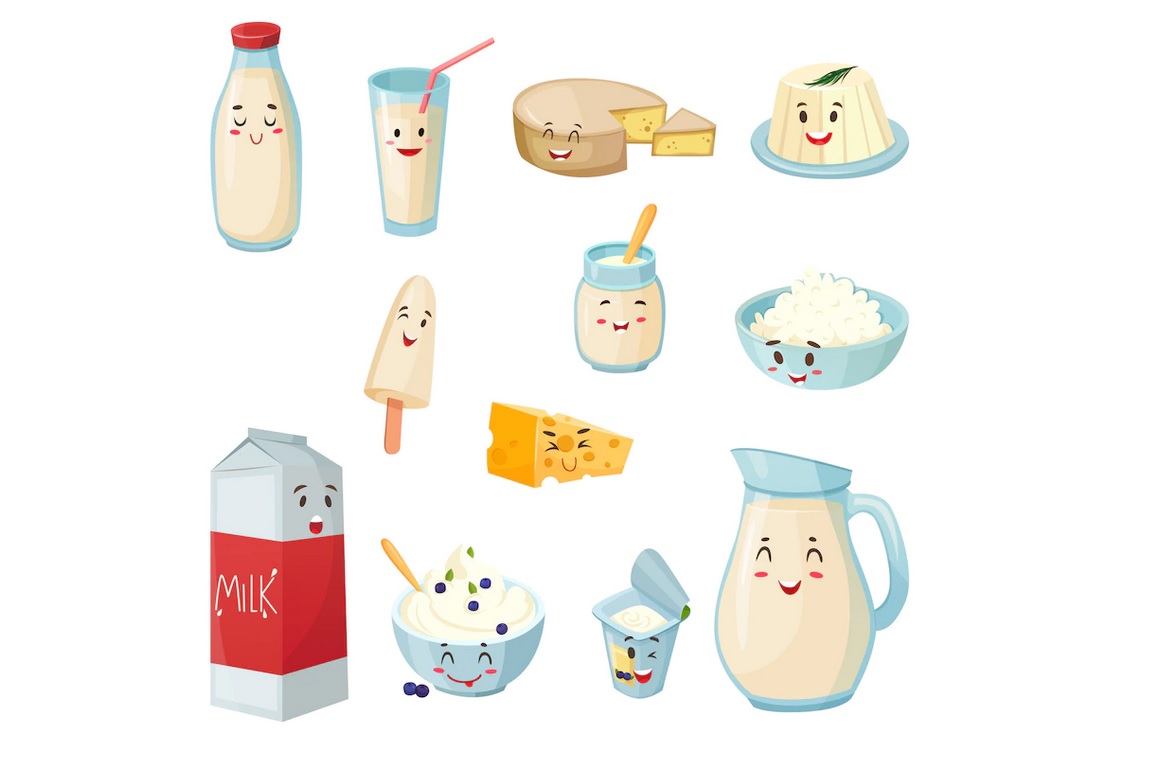
 Since adding water does not change the consistency and color of milk much, some profiteering sellers add some water to the milk and sell it. Moreover, so that the diluted milk is not easily detected, they also add some starch to the milk so that its consistency appears at the level of natural milk. To hide the spoilage of milk, some dairy farmers or milk sellers add some baking soda to the spoiled milk, which neutralizes the acids produced by microbes, and in this way the milk does not curdle and clot under heat and its spoilage remains hidden, while other harmful substances produced by the microbes may remain active, and consuming the contaminated milk causes disturbances. It should also be noted that some profiteering people mix sheep's milk, which is more sought-after, with goat's or cow's milk and sell it under the name of sheep's milk.
Honey:
 To adulterate honey, some dishonest and uninformed people mix glucose with a little essence or honey and wax and sell it as 100% pure honey.

Fish:
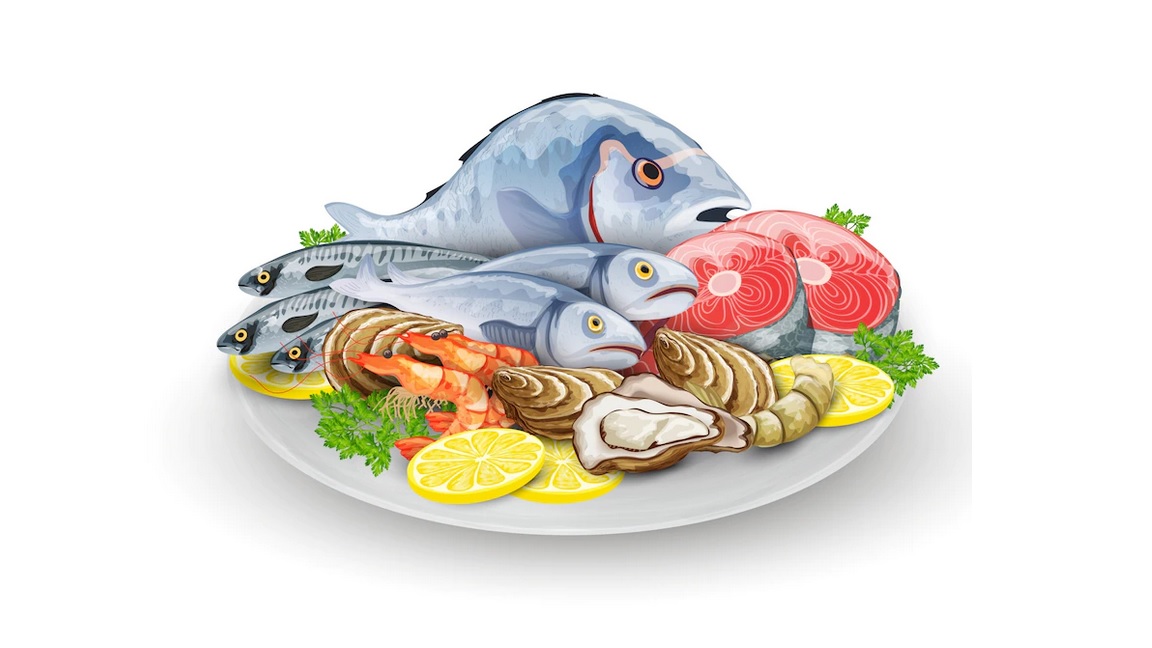
 Some profiteers dye the gills of spoiled and stale fish with mercurochrome or the blood of various animals and sell it as fresh fish. Chicken: A few sellers throw slaughtered chickens and roosters into water so they take on some water and become heavier. Barley too: they mix sheep's milk, which is more sought-after, with goat's or cow's milk and sell it under the name of sheep's milk.
Chicken:
 A few sellers throw slaughtered chickens and roosters into water so they take on some water and become heavier.
∴ Authorities for inspecting, supervising, and controlling food
Numerous institutions and bodies control and supervise food and nutrition and are legally responsible for this; the main duty rests with the Directorate General for the Supervision of Food and Hygiene Products and the Directorates General of Environmental Health affiliated with the Ministry of Health, Treatment, and Medical Education.
How to control suspect foods: To distinguish safe foods from unsafe and unsanitary ones, while consulting with the relevant specialists, samples must be taken from the suspect foods and sent to accredited laboratories for definitive diagnosis.
∴ Health recommendations when purchasing food
1/ Foods such as milk, ice cream, and yogurt should be chosen from pasteurized types, and as far as possible the consumption of traditional ice cream, loose milk and doogh, and bulk yogurt should be avoided. 2/ Buy only from stores and shops supervised by your local health centers, and never buy food from itinerant sellers and street vendors. 3/ When buying, you should first pay attention to the production date, expiry date, the standard mark, and the product's manufacturing license, and never buy foods that have no clear expiry date or whose date cannot be read, and try to choose foods that have been freshly produced. 4/ As far as possible, foods that are packaged should be chosen, and buying bulk foods should be strictly avoided. 5/ Use only food products produced by food companies and factories approved by the Ministry of Health, because the foods produced in those companies undergo various quantitative and qualitative tests before packaging. It should be noted that when buying these same products, it must also be remembered to buy items that have suitable packaging.
Comments
No comments yet.
To leave a comment, please sign in.