
Nutrition in the Prevention and Control of High Blood Pressure
شکیلا بختیاریJuly 31, 2023مقالات
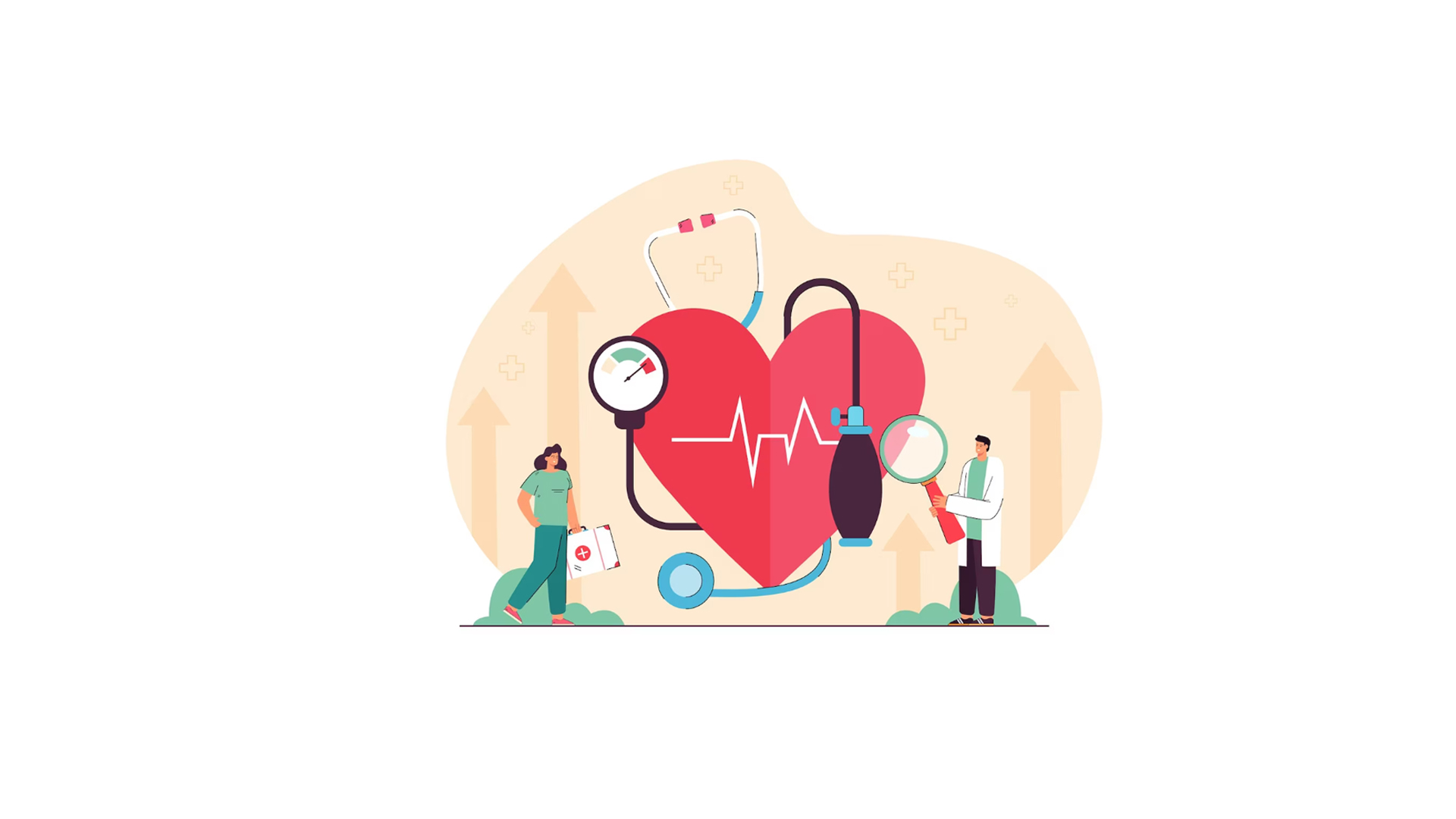
The force that drives blood from the heart through the arteries to other parts of the body is called blood pressure. During the different stages of contraction and relaxation of the heart muscle, the blood pressure in the arteries changes. The blood pressure during contraction is called systolic pressure, or maximum, and the blood pressure during relaxation is called diastolic pressure, or minimum.
High blood pressure is an increase in the pressure exerted by the flow of blood on the wall of the blood vessels. If high blood pressure is not diagnosed in time or is not well controlled, this condition can cause damage to the wall of the vessels and gradually set the stage for the closure of the vessels and the development of atherosclerosis, and ultimately for cardiovascular diseases. Since the condition of high blood pressure usually has no symptoms until the final stages, this disease is also called the silent killer. Therefore, to prevent the complications caused by this condition, it is essential that all individuals measure their blood pressure periodically (for example, once every 2 to 3 months). A systolic blood pressure above 140 or a diastolic blood pressure above 90 millimeters of mercury indicates having high blood pressure.
Among the factors that cause or aggravate high blood pressure are genetic factors and family history, stress, obesity and physical inactivity, smoking, alcohol consumption, and improper nutrition (a diet rich in salt and saturated fat and low in fruits and vegetables).
"The most effective and most economical way to prevent and treat high blood pressure is to modify one's lifestyle."
Since the state of physical fitness is a determining factor of blood pressure at all ages, weight loss is the most important recommendation for people with high blood pressure who suffer from obesity or excess weight. Even a 7 to 10 percent reduction in body weight has remarkable effects on balancing the blood pressure of most obese individuals.
One of the causes of high blood pressure is being accustomed to consuming foods containing relatively large amounts of sodium or salt. Therefore, to prevent or control high blood pressure, you should limit the consumption of salt and foods rich in salt and sodium such as canned foods, sausages and cold cuts, various tomato pastes and sauces, chips and puffed snacks, salted nuts, various pickles and brined foods, ready-made soups, and salty cheeses. Animal proteins also contain relatively large amounts of sodium, so the consumption of such proteins should also be reduced.
Physically inactive people have a 30 to 50 percent greater chance of developing this disease than active people, so increasing physical activity at a moderate or low intensity for 30 to 45 minutes on most days of the week is one of the approaches to primary prevention of developing high blood pressure. Given the role of potassium in preventing and controlling this disease, include in your daily diet fruits and vegetables rich in potassium such as: watermelon, banana, cantaloupe, kiwi, orange, grapefruit, tomato, mushroom, broccoli, celery, etc. Obtaining sufficient amounts of magnesium sources such as legumes, whole grains, nuts, etc. is recommended due to the effect they have in relieving vascular constriction and regulating blood pressure. The consumption of saturated fat and cholesterol such as red meat, liver, heart and kidney, egg yolk, butter, cream, high-fat dairy, margarine, and fatty and fried foods should be greatly limited, and the intake of sources containing omega-3 fatty acids, which are found in aquatic foods and fish, should be increased. Using garlic, onion, aromatic vegetables, and lemon as a flavoring in cooking food as a substitute for salt is very beneficial. If you smoke cigarettes or use other tobacco products, be sure to take steps to quit. Try to easily measure your blood pressure regularly using home digital blood pressure monitors and control and follow up on your blood pressure status.
Comments
No comments yet.
To leave a comment, please sign in.