
Nutrition in the Prevention and Treatment of Blood Lipid Disorders
شکیلا بختیاریDecember 14, 2022مقالات
∴ Introduction and definitions
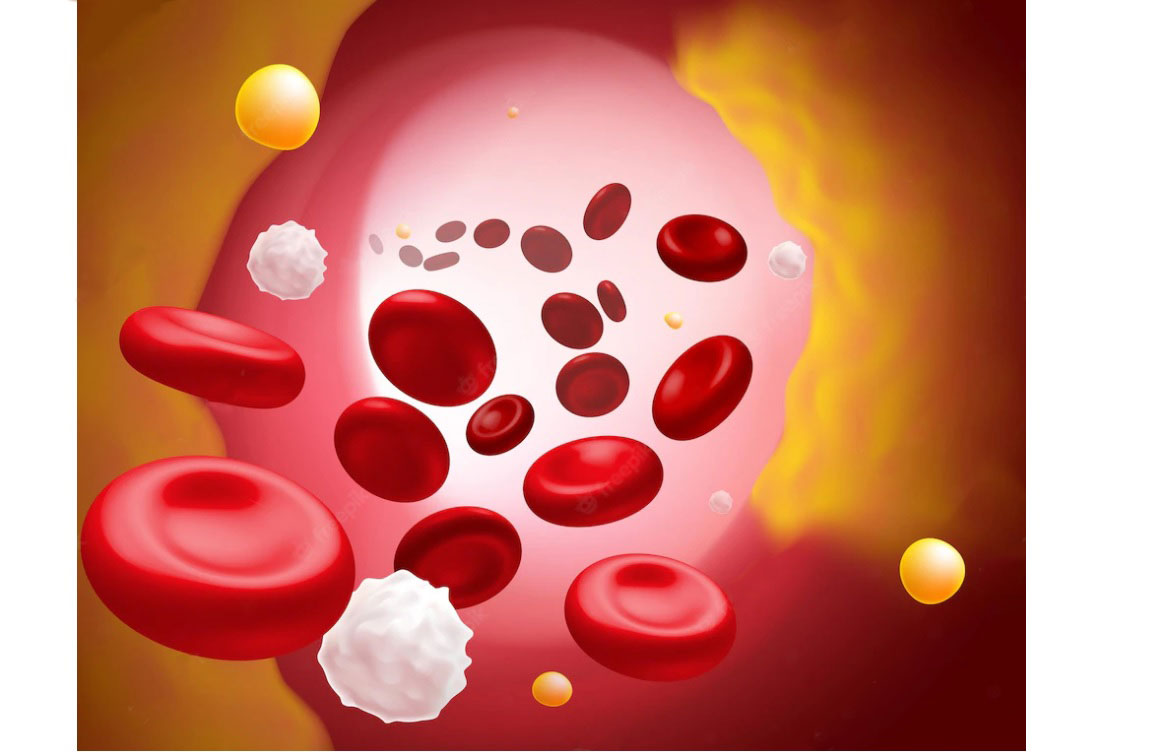
Blood lipids (cholesterol, triglycerides, and phospholipids) are carried in the blood bound to proteins. These compound components are called lipoproteins, which differ in composition, size, and density and are divided into 5 groups: chylomicrons / VLDL / IDL / LDL / HDL
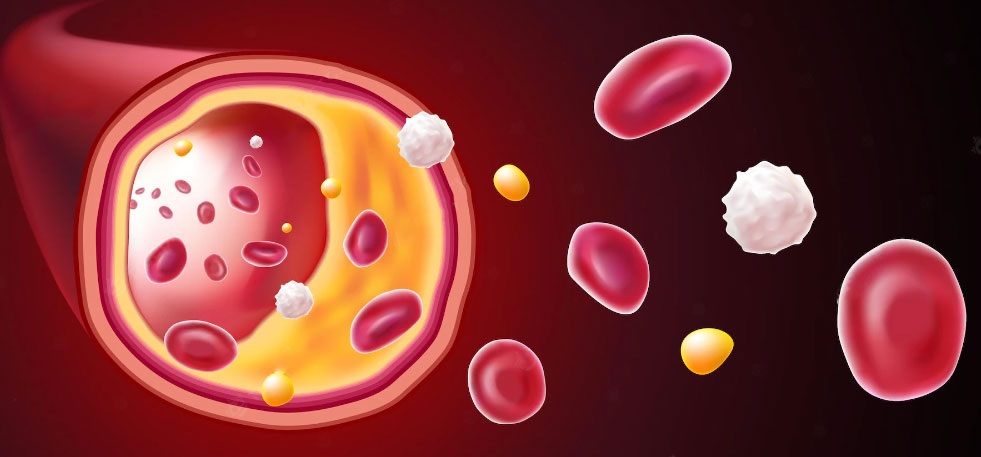
LDL: Some lipoproteins are responsible for carrying fat from the liver to the fat tissue and are called "bad fat" or low-density lipoprotein or "LDL," which, due to their structure, may cause deposits and blockage of the arteries along the transport route.
HDL: These are responsible for carrying fat from the tissues and arteries to the liver and are referred to as "good fat" or high-density lipoprotein or "HDL." High lipid values, including blood triglycerides above 150 mg/dl, cholesterol above 200 mg/dl, bad blood lipoprotein (LDL) above 130 mg/dl, or low good blood lipoprotein (HDL) below 40 mg/dl, are called dyslipidemia or a blood-lipid disorder.
∴ The factors predisposing to blood-lipid disorders can be divided into the following two groups:
 1/ Factors related to lifestyle and controllable such as obesity and being overweight, lack of physical activity, smoking, the level of stress, an incorrect dietary pattern (overeating, intake of large amounts of saturated fats (without a double bond), cholesterol, and simple and refined carbohydrates, and insufficient intake of dietary fiber)
2/ Factors not related to lifestyle and uncontrollable such as: (genetic background, age, hormone levels, certain diseases such as hypothyroidism and diabetes)
1/ Factors related to lifestyle and controllable such as obesity and being overweight, lack of physical activity, smoking, the level of stress, an incorrect dietary pattern (overeating, intake of large amounts of saturated fats (without a double bond), cholesterol, and simple and refined carbohydrates, and insufficient intake of dietary fiber)
2/ Factors not related to lifestyle and uncontrollable such as: (genetic background, age, hormone levels, certain diseases such as hypothyroidism and diabetes)
∴ Solutions for preventing and treating blood-lipid disorders
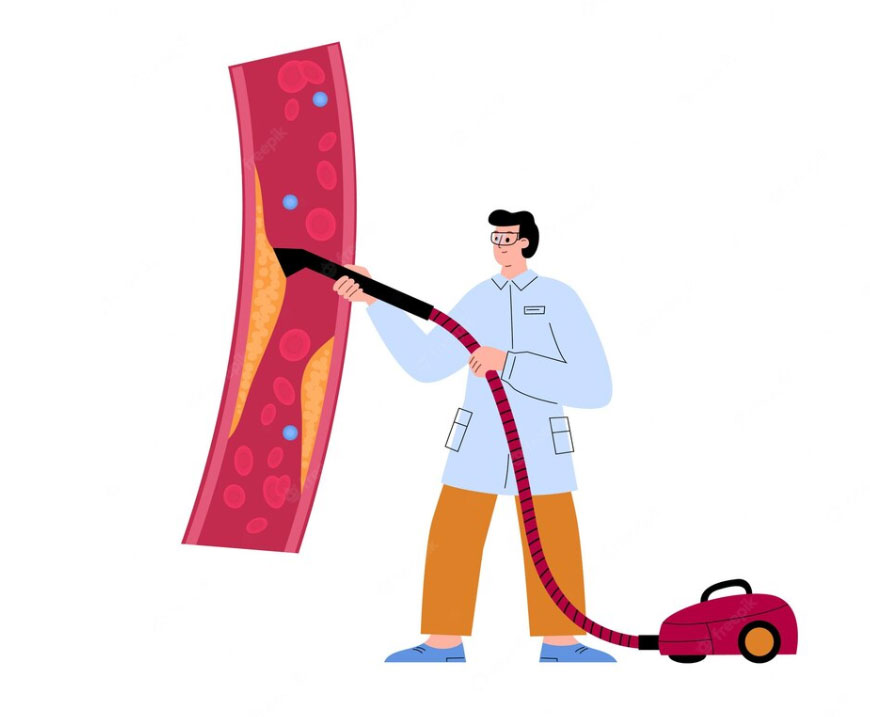
• If you have a problem of being overweight or obese, with a suitable diet under the supervision of a nutrition counselor and reducing your weight by at least 10%, you considerably reduce the risk of stroke.
• Smoking and stress cause the secretion of hormones that stimulate the production of LDL in the liver, so try to control your stress and stay away from cigarette smoke.
• Be moderate in your daily energy intake. Choose small meals and increase the number of your meals. If the volume of each meal is small, fat will not be stored in the body, or what is stored is burned between meals.
• Increase your consumption of fruits and especially vegetables. Eat these so-called "heart-friendly" foods in all three of your meals, raw or cooked. Vegetables such as celery, carrot, garlic, broccoli, and lime, as well as fruits such as apple, pear, apricot, pomegranate, and strawberry, are of greater importance among these.
• Greatly limit your intake of sources of saturated fat (without a double bond), which is one of the main factors raising blood cholesterol. This type of fat is significantly present in the fat of meat, heart, liver, kidney, brain, sausage, cold cuts, butter, cream, full-fat dairy, and solid oil; therefore, avoid eating them. Completely separate the fat of meat and the skin of chicken before cooking, use less red meat, replace it with poultry and seafood due to their beneficial fatty acids, and be sure to use soy protein in your diet.
• Replace frying foods with healthier cooking methods such as steaming, boiling, and oven-baking, and for low-heat cooking use high-quality vegetable oils such as canola, sesame, olive, etc.
• Daily, use about 30 grams (no more) of raw plant nuts, especially walnuts and peanuts.
• Full-fat milk and dairy contain saturated fats (without a double bond) that raise bad blood lipids, so consuming low-fat milk and dairy is recommended. Limit the consumption of fatty cheeses such as cream cheese, pizza cheese, and full-fat yogurts.
• Excessive consumption of sugar and foods containing it, and refined bread and grains, raises the level of blood triglycerides, so limit the consumption of sugar and sweets as much as possible, and replace refined types with unrefined bread and grains made from whole and bran-rich flour.
• Consuming dietary fiber found in fruit (especially citrus) and vegetables (especially carrot and cabbage) and legumes reduces LDL, so in order to prevent and treat blood-lipid disorders and the cardiovascular diseases caused by them, do not forget to include a variety of fruits and vegetables in your daily diet.
• Remember that proteins are not stored in the body. Our body stores excess protein intake as fat. Excessive consumption of protein, especially animal protein (even chicken and fish), raises the level of cholesterol and bad blood lipids. Do not forget physical activity and exercise; exercise raises the level of HDL or good fat and, in addition to facilitating weight loss, helps the health and improved functioning of the heart and arteries. 30 to 45 minutes of brisk walking daily is recommended.
Comments
No comments yet.
To leave a comment, please sign in.