
Converting Waste into Renewable Biohydrogen
اسماعیلیAugust 13, 2024اخبار
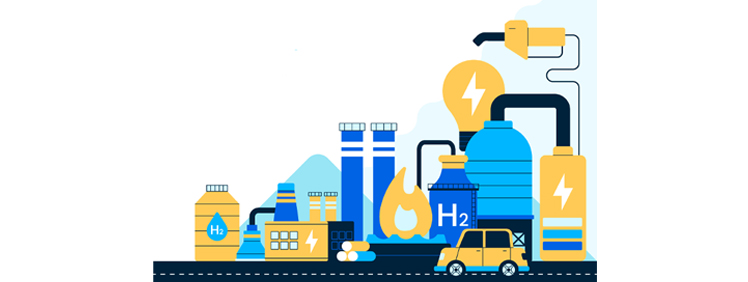
In production activities, some items or organic materials are produced that have lost their original use or value, or that have not even lost their value yet have been discarded; these items or materials are called organic waste, which includes agricultural organic waste (mainly comprising straw and grapes, livestock manure, aquatic waste, etc.), industrial waste (mainly comprising high-concentration organic waste, organic-waste residues, etc.), and urban organic waste (mainly comprising garden waste, urban sludge, animal contents of slaughterhouses, kitchen waste, etc.).
Organic waste contains large amounts of hydrocarbons that are considered a potential resource rather than polluting waste. This is a new concept of environmental resources and harmony. Compared with conventional incineration and other treatment methods, it can be used as a raw material for producing new renewable energy, which has advantages such as a clean process and the recovery of hydrocarbon resources.
Hydrogen produced through the gasification of biomass and through microbial-catalyzed hydrogen generation is called biohydrogen, which are important methods for obtaining hydrogen from nature. Producing hydrogen from biomass is a low-consumption, economical, and promising method. Among the other main methods of producing biohydrogen, one can mention photosynthetic bacteria that use organic waste to produce biohydrogen, algae and cyanobacteria that photolyze water to produce biohydrogen, and anaerobic fermentation bacteria that use organic waste to produce biohydrogen.
However, the incompleteness of substrate conversion and the instability of biohydrogen production have been among the main obstacles to the practical application of biohydrogen technology. In recent years, methods have been presented to overcome these shortcomings, such as isolating strains that can produce hydrogen effectively and designing reactors with high efficiency and energy savings.
Converting waste to biohydrogen requires a series of pretreatments, and the pretreatment methods differ for various types of waste. Pretreatment methods are mainly divided into three types: physical, chemical, and biological.
1_ Physical method: This includes mechanical methods, steam explosion, cooking, microwave, freezing, and so on. The main goals of physical pretreatment are reducing the particle size of the material, increasing the specific surface area, and then improving access for subsequent treatment. In general, the effect of physical pretreatment is better when combined with other chemical methods.
2_ Chemical method: This mainly includes acidic, alkaline, organic-solvent, oxidant, and other catalyst pretreatments. The main function of this method is the breakdown of the unusable organic components in the materials.
3- Biological method: This method refers to the use of microorganisms and their metabolized enzymes for decomposition. This method plays a role in removing organic materials that are slow to decompose and useless, reducing the degree of polymerization, and then obtaining the final product.
With the expansion of cities and the improvement of the quality of life, large amounts of waste are transferred to the outskirts of cities. The production of large amounts of waste affects not only the appearance of the city but also the environment and human health. By considering resources for recycling, waste-to-energy conversion technologies can be introduced. For example, generating electricity by burning waste and generating electricity from marsh gas are two main methods for reusing waste that can meet one-fifth of the world's primary needs.
In the book Converting Waste to Renewable Biohydrogen, prepared by Hak Publications, ideas are presented for measuring the environmental and even economic efficiencies of renewable biohydrogen technologies, which you, dear readers and interested parties, can obtain by getting this book from the Hak Publications website to gain comprehensive information in this field.
Comments
No comments yet.
To leave a comment, please sign in.