
Health and Safety in Driving
شکیلا بختیاریJanuary 10, 2023مقالات
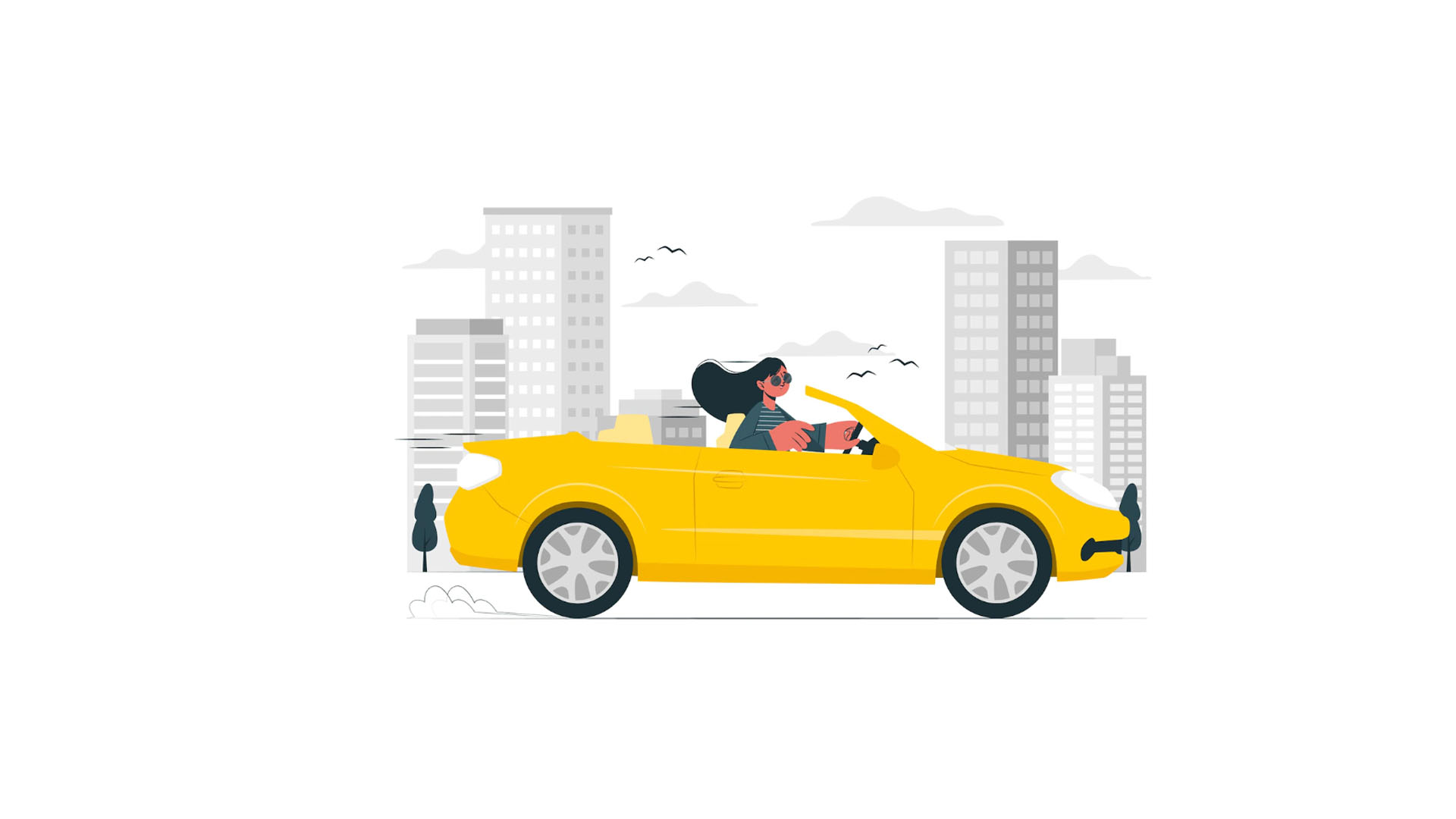
Dear driver, any profession, job, or occupation in which safety and health guidelines are not observed can leave unpleasant consequences on people's body and soul. One of the most dangerous work-related accidents occurs in the profession of driving. Every day and every hour, road accidents claim the lives of some people and afflict many others with agonizing physical and psychological pain. In addition to the above, back and spinal pain, sleep disorders, food poisoning, emotional disturbances, joint pain, and digestive discomforts are among the complications that beset drivers. Let us, by observing safety and health guidelines while driving, be the guardians of our own lives and those of our fellow travelers.
∴ A few safety and health tips for driving:
• Always carefully inspect your vehicle before a trip and make sure all parts and components such as the brakes, lights, battery water, tire pressure, etc. are in good condition. (Do not rely on your memory.) • Do not postpone any repairs to the future. • If you must stop for a repair or the like, pull over at the far right of the dirt shoulder of the road and use a safety triangle during the day and a flashing light at night to signal other drivers. • When driving at night and facing oncoming vehicles, you must use low beam headlights. • Never carry more than the vehicle's capacity. • In winter, get informed about the weather conditions of the roads on your route, carry essential equipment such as snow chains, etc., and make sure the windshield wipers, fog lights, heater, etc. are in good working order. Also, given the possibility of ice and slippery road surfaces, drive with greater caution. • Overtaking inside tunnels cannot be a sign of courage and driving skill. It is better never to attempt this. • Always and everywhere pay attention to traffic regulations and observe them. • As soon as you take your seat in the car, be sure to use your seatbelt. • Make sure the doors are closed and place your children in the second-row seats of the car. • Having a fire extinguisher and a first aid kit in the car is essential and very useful in case of an accident. • Never carry kerosene, gasoline, gas cylinders, or other flammable materials with you. • Stow every item in its designated place and secure it. Do not place sharp objects and liquids behind the windows or on the floor of the car. • Travel during the day as much as possible. Driving at night, in addition to poor visibility, causes drowsiness and raises the likelihood of accidents. Driving in the early morning and late at night is also not recommended due to the instinctive tendency to sleep and the risk of danger. • If you feel tired or drowsy, refrain from driving and rest in suitable places. • If your doctor has recommended glasses for your weak eyesight, be sure to use them. • If you suffer from a particular illness or take a particular medication, be sure to consult your treating physician about driving. • Do not be inattentive to the position of your seat; your seat should be in a suitable position so that your feet rest easily on the pedals and you have sufficient control over the steering wheel and the working area of your hands. • The seat back should support your spine and the vertebrae of your neck. • The seat covers should also be of a material that maintains proper heat exchange with your body and prevents sweating and fatigue. • Eat less while driving, because overeating causes drowsiness and increases the likelihood of an accident. (You can increase the number of your meals and reduce the amount of food.) • While driving, avoid joking and stubbornness.
NOTE: Comparing the statistics for Iran with those of other countries of the world is unfortunately disappointing and worrying. The death toll from traffic accidents in Iran is 25 times that of Japan and twice that of Turkey. In Saudi Arabia, 12 people fall victim to road accidents daily, whereas this figure in Iran equals 48 people (and in the year 1380 it was 53 people). Unfortunately, the rate of accidents and the resulting fatalities in Iran is rising at an alarming pace of about 10 percent, which in the not-too-distant future will turn into a national catastrophe.
Before you increase your speed, think about driving well. Remember that you are responsible for your own life and for the lives of a number of members of society.
Comments
No comments yet.
To leave a comment, please sign in.