
Sulfuric Acid Safety Information
اسماعیلیAugust 6, 2024اخبار
Sulfuric acid is a very strong mineral acid that in the past was called "oil of vitriol" and dissolves in water in any proportion. This acid was first discovered by Jabir ibn Hayyan through the distillation of iron sulfate and copper sulfate minerals.
This acid is one of the most heavily consumed chemicals and has many applications in chemical reactions and in the process of producing other compounds. Its main uses are in factories producing chemical (phosphate) fertilizers, metal extraction, the steel and metallurgy industries, the chemical industries, wastewater treatment, and oil refineries.
Sulfuric acid is odorless, but its vapor with oleum produces a pungent smell due to the release of SO3 and causes a sensation of breathing in misty, polluted air.
The reaction of sulfuric acid with metals and its hazards
Sulfuric acid can react with most metals and produce hydrogen gas, which can create an explosive mixture with air, and when combined with water, the heat required for an explosion is generated. To extinguish sulfuric acid, do not use powder, carbon dioxide, or especially water. Water can only be used to put out fires that have started in the vicinity of this substance, but be careful that water is not poured directly onto the acid.
Environmental effects of sulfuric acid
Sulfur exists in oil and gas sources in the form of hydrogen sulfide or organic sulfur-containing compounds. Thus, with the combustion of fossil fuels, sulfur dioxide is formed, which, by dissolving in the water present in the atmosphere, creates acid rain. Sulfur dioxide causes respiratory complications even in small amounts. This gas, in the presence of water vapor in the air and oxygen, forms dilute sulfuric acid that can fall along with rain onto surface soils, thereby increasing the acidity of the soil and water. Acidic soils may in turn have a severe effect on the adaptation of plants and animals. It should be known that acid rain can also cause the destruction of buildings made of marble.
Health hazards of sulfuric acid
Due to its corrosiveness, oxidizing nature, and sulfuric properties, this acid rapidly destroys body tissue and causes severe burns. Generally, the concentration and duration of contact with the acid affect the severity of the injury. If a person is in contact with sulfuric acid at a concentration of 5 mg per cubic meter, the following symptoms will be observed:
Irritation of the nose and throat
Headache
Reduced breathing rate or destruction of ventilation capacity
Pulmonary edema
Dryness of the lungs
Cyanosis
Low blood pressure
Bronchitis or emphysema
When exposed to this acid, acute short-term complications also arise, which are observed as follows:
Severe irritation and burning of the skin and eyes, where damage to the eyes may end in eye injuries or even blindness.
Inhalation of this acid causes severe sensitivities and irritation of the mucous membranes of the nose and throat, and if it reaches the lungs it causes coughing and shortness of breath, and in more acute cases causes fluid buildup in the lungs (pulmonary edema), which is a medical emergency accompanied by severe shortness of breath.
In addition to the effects mentioned, this acid also has long-term complications, in that continued contact with sulfuric acid can lead to permanent and irreversible damage to the lungs, damage to the teeth, and irritation of the stomach due to swallowing the acid. In addition, one can also point to the risk of cancer of the sinuses, larynx, and lungs.
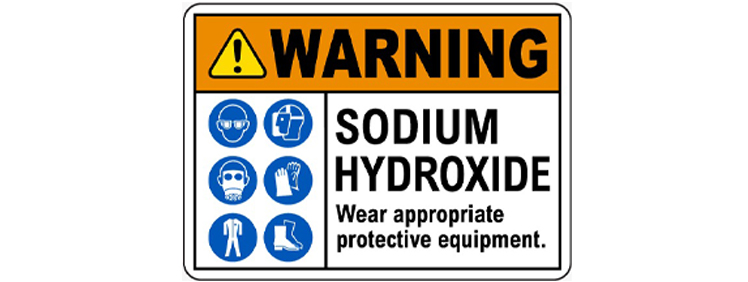
Therefore, it is necessary that in workshops and spaces related to sulfuric acid, training be given to employees and workers, and likewise workers must be instructed about how to use personal protective equipment, so that the effects and hazards arising from contact with sulfuric acid are minimized.
The book Safety Information on Sulfuric Acid and Sodium Hydroxide, prepared by Hak Publications, can provide comprehensive and complete information about this substance, its hazards, and its other characteristics to those interested.
Comments
No comments yet.
To leave a comment, please sign in.