
Soil Pollution and Its Effects
اسماعیلیJuly 1, 2024اخبار
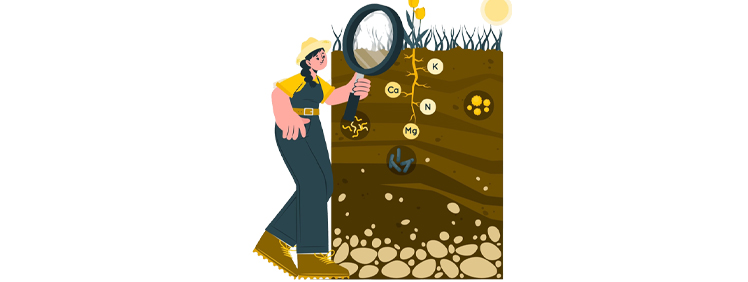
Soil pollution is one of the main aspects of environmental pollution, resulting from urban developments such as the pace of industrialization and the excessive exploitation of natural resources. Soil pollution minimizes the performance and quality of agricultural products and also changes soil biodiversity, soil organic matter, and groundwater, which in turn disrupts the balance of soil nutrients and their absorption by plants.
The types of soil pollution are as follows:
1- Soil acidification:
The acidity and alkalinity of soil are determined based on the structure, function, and pH of the soil. Soil pH plays an important role in various soil functions such as the stability of soil aggregates, the availability of nutrients, metal toxicity, and biological activities. Today, the causes of soil acidification in various ways are linked to human activity and biogeochemical cycles.
2- Radioactive pollutants:
Radioactive materials are unstable natural substances that continuously decay and emit radiation into their surroundings. These materials are used in various fields such as medicine, electricity, agriculture, industry, and research activities. The result of these activities is the accumulation of radioactive waste in the environment. Plants absorb the waste produced by these activities, known as radionuclide waste, from the soil and air, and as a result, radionuclides with very high energy interact with metabolic pathways and change the molecular nature of plants and ultimately of biochemical products, leaving very dangerous effects.
3- Soil pollution with heavy metals:
Among heavy metals, cadmium is one of the most serious pollutants, because it can potentially accumulate in plants and enter the next trophic level, namely humans and animals. Human activities such as phosphate fertilizers and wastewater lead to the addition of this dangerous heavy metal to the soil.
Apart from the cases mentioned, soil pollution has many other causes as well, but the effects resulting from these pollutants on human health are also significant. Soil acts as the habitat for a wide range of living creatures and microorganisms. The disposal of pharmaceutical, medical, and industrial waste and household sewage leads to the growth of various lethal microbes and ultimately to outbreaks of human diseases.
Improper use of fertilizers and pesticides leads to the accumulation of pollutants in the soil and is also transferred to the next food chain.
Therefore, it is important, through strategic interventions, to reduce the harmful effects of soil pollution and to replace past agricultural methods with safe agricultural methods, so that the pathway for transferring pollution to the food chain is closed, and subsequently the outbreak of epidemic diseases is prevented.
Source: Book The Response of Plants to Soil Pollution
Publisher: Hak Publications - member of Tarfeh Holding
Comments
No comments yet.
To leave a comment, please sign in.